US Approves Nuclear Deal With Saudi Arabia Allowing Kingdom To Enrich Uranium
The US has approved a 30-year nuclear deal with Saudi Arabia, enabling uranium enrichment for civilian use. The agreement positions US firms as the primary contractors for building Saudi Arabia's nuclear facilities, excluding other foreign companies from the project.
Intelligence analysis by Llama
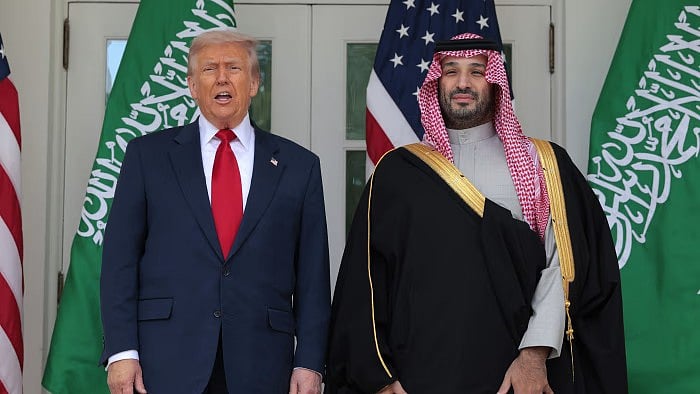
The US has approved a 30-year nuclear deal with Saudi Arabia, allowing the kingdom to enrich uranium for civilian use. The deal positions US firms as the primary contractors for building Saudi Arabia's nuclear facilities, excluding other foreign companies from the project.
The US has approved a deal with Saudi Arabia that lets them make a special kind of fuel for power plants. This fuel can also be used to make nuclear weapons, which is a big concern for people who want to prevent wars.
Analysis
A $60B Vote of Confidence
The US has approved a 30-year nuclear deal with Saudi Arabia, enabling uranium enrichment for civilian use. The agreement positions US firms as the primary contractors for building Saudi Arabia's nuclear facilities, excluding other foreign companies from the project. This deal is a significant achievement for Saudi Arabia and is expected to generate substantial profits for American businesses involved in the nuclear sector.
Why Cursor?
Nonproliferation experts have raised concerns that granting Saudi Arabia uranium enrichment capabilities could open the door to potential weaponisation. While enrichment is not an automatic path to nuclear weapons, it is a critical step in the process. The absence of the International Atomic Energy Agency's Additional Protocol in the agreement may limit oversight and verification.
The Road Ahead
The deal is expected to be announced publicly as early as 22 July 2026. The agreement follows previous efforts by both Donald Trump and former President Joe Biden to negotiate a nuclear deal with Saudi Arabia that would facilitate the transfer of American technology for peaceful purposes. The specifics of the deal, including monitoring and verification measures, are still under review as details emerged.
Key points
- The US has approved a 30-year nuclear deal with Saudi Arabia, enabling uranium enrichment for civilian use.
- The agreement positions US firms as the primary contractors for building Saudi Arabia's nuclear facilities, excluding other foreign companies from the project.
- Nonproliferation experts have raised concerns that granting Saudi Arabia uranium enrichment capabilities could open the door to potential weaponisation.
- The deal is expected to be announced publicly as early as 22 July 2026.
If the deal is implemented successfully, it could lead to the development of a peaceful nuclear programme in Saudi Arabia, generating significant economic benefits for American businesses involved in the nuclear sector.
The deal may set a precedent for other countries to pursue uranium enrichment capabilities, potentially leading to a proliferation of nuclear weapons in the region.