US Army Attacks Iranian Targets Again, Rocket Alarm in Gulf States
The US Army has launched a new wave of attacks on Iranian targets, including military installations and infrastructure along the country's coast. The Iranian Revolutionary Guard has responded with rocket attacks on US military bases in Kuwait and Bahrain. The US has calle…
Intelligence analysis by Llama
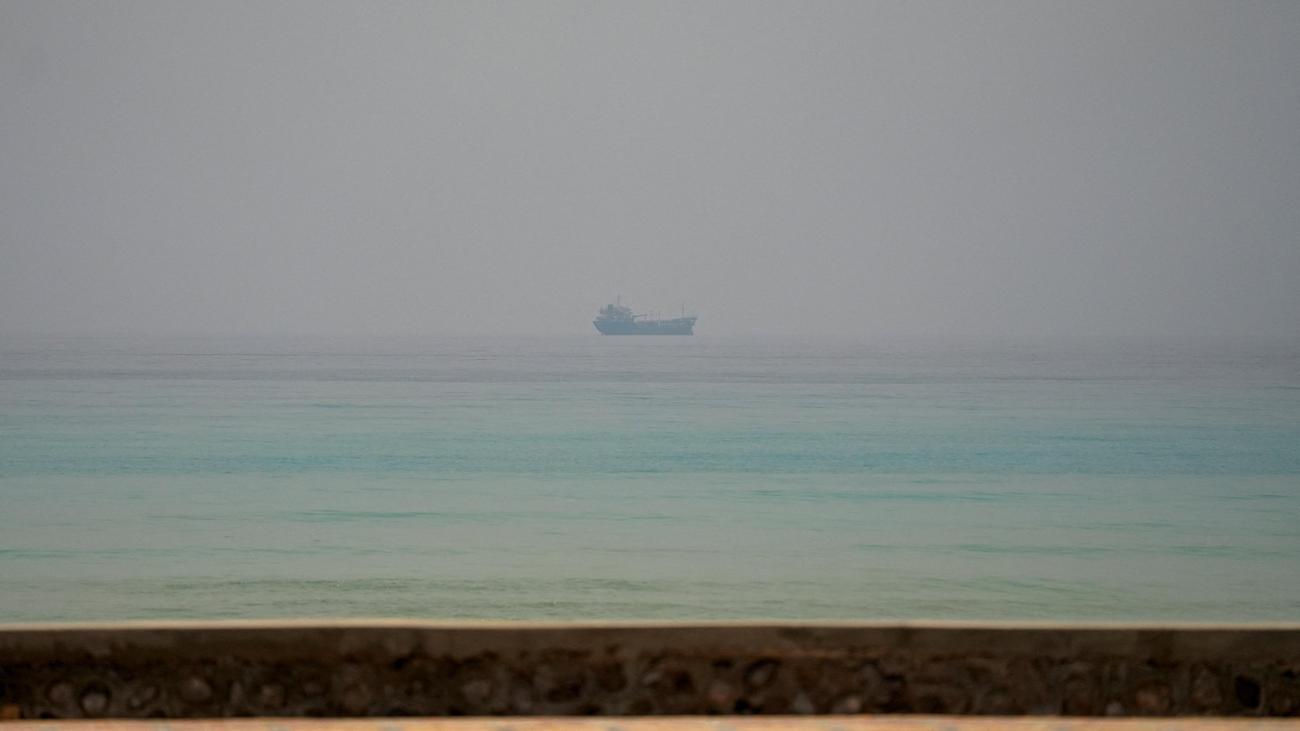
The US Army has launched a new wave of attacks on Iranian targets, including military installations and infrastructure along the country's coast. The Iranian Revolutionary Guard has responded with rocket attacks on US military bases in Kuwait and Bahrain. The US has called for a ceasefire, but the situation remains tense.
Imagine a big game of chess between the US and Iran. The US is trying to control a important waterway called the Strait of Hormuz, but Iran is trying to stop them. They are both using big guns and rockets to try and win. This is making the situation very tense and could lead to a big war.
Analysis
A New Round of Escalation
The US Army has launched a new wave of attacks on Iranian targets, including military installations and infrastructure along the country's coast. This latest round of escalation comes after a two-week ceasefire agreed upon by the US and Iran in April. The US has stated that it will continue to attack Iranian targets until the country opens up the Strait of Hormuz, a critical waterway for global trade.
The Iranian Response
The Iranian Revolutionary Guard has responded to the US attacks with rocket attacks on US military bases in Kuwait and Bahrain. The Iranian government has warned that it will continue to attack US targets in the region if the US continues its aggression. The situation in the Gulf region is particularly volatile, with multiple countries involved and a risk of escalation.
The Implications
The ongoing conflict between the US and Iran has significant implications for global security and trade. The situation in the Gulf region is particularly volatile, with multiple countries involved and a risk of escalation. The US has called for a ceasefire, but the situation remains tense. The international community is watching the situation closely, with many countries urging restraint and diplomacy.
Key points
- The US Army has launched a new wave of attacks on Iranian targets.
- The Iranian Revolutionary Guard has responded with rocket attacks on US military bases in Kuwait and Bahrain.
- The US has called for a ceasefire, but the situation remains tense.
- The ongoing conflict between the US and Iran has significant implications for global security and trade.
- The situation in the Gulf region is particularly volatile, with multiple countries involved and a risk of escalation.
If the US and Iran can agree on a ceasefire and begin to negotiate a peaceful resolution, there is a chance for a positive outcome. The US has stated that it is willing to work towards a peaceful resolution, and the Iranian government has also expressed a desire for diplomacy. However, the situation remains tense, and it is unclear if a ceasefire can be achieved.
The situation in the Gulf region is particularly volatile, with multiple countries involved and a risk of escalation. If the US and Iran continue to attack each other, there is a risk of a full-scale war. This would have significant implications for global security and trade, and could lead to a major humanitarian crisis.