US attacks Iranian coastal sites after Iran launches drones in latest flare-up
U.S. forces hit Iranian coastal radar sites after downing drones near the Strait of Hormuz, deepening a war that is complicating oil shipping and ceasefire talks.
Intelligence analysis by GPT-5.4 Mini
The U.S. says it struck Iranian surveillance sites on the Strait of Hormuz after Iran launched drones toward maritime traffic. The escalation comes as Washington and Tehran try to negotiate an interim deal while fighting also continues in Lebanon and other parts of the region.
The U.S. and Iran are still fighting, and this time the fight touched a sea route that many oil ships use. It is like two kids arguing and then blocking the hallway everyone needs to walk through.
Analysis
What happened
U.S. forces struck Iranian coastal radar and surveillance sites on Saturday after shooting down four Iranian drones that the U.S. military believed were aimed at maritime traffic near the Strait of Hormuz. U.S. Central Command said the targets were in Goruk and on Qeshm Island.
Why the strait matters
The article says Iran has effectively blocked the Strait of Hormuz, where about a fifth of the world’s oil moved before the war. That makes the latest exchange more than a battlefield incident: it is tied directly to shipping security and oil supply concerns.
Negotiations under pressure
Washington and Tehran are still engaged in largely indirect talks over an interim deal to pause the three-month-old war. Iran is seeking access to oil revenue, sanctions waivers on crude exports, an end to the U.S. blockade on its ports, and leverage over the strait. The article says the nuclear issue would be left for later talks.
Regional spillover
The fighting is not confined to the Gulf. Hezbollah said it attacked Israeli troops in south Lebanon, while Lebanese security services reported Israeli airstrikes across southern towns. Iran continues to back Hezbollah, and Tehran is making an Israeli withdrawal from southern Lebanon part of any broader peace deal with Washington.
Political backdrop
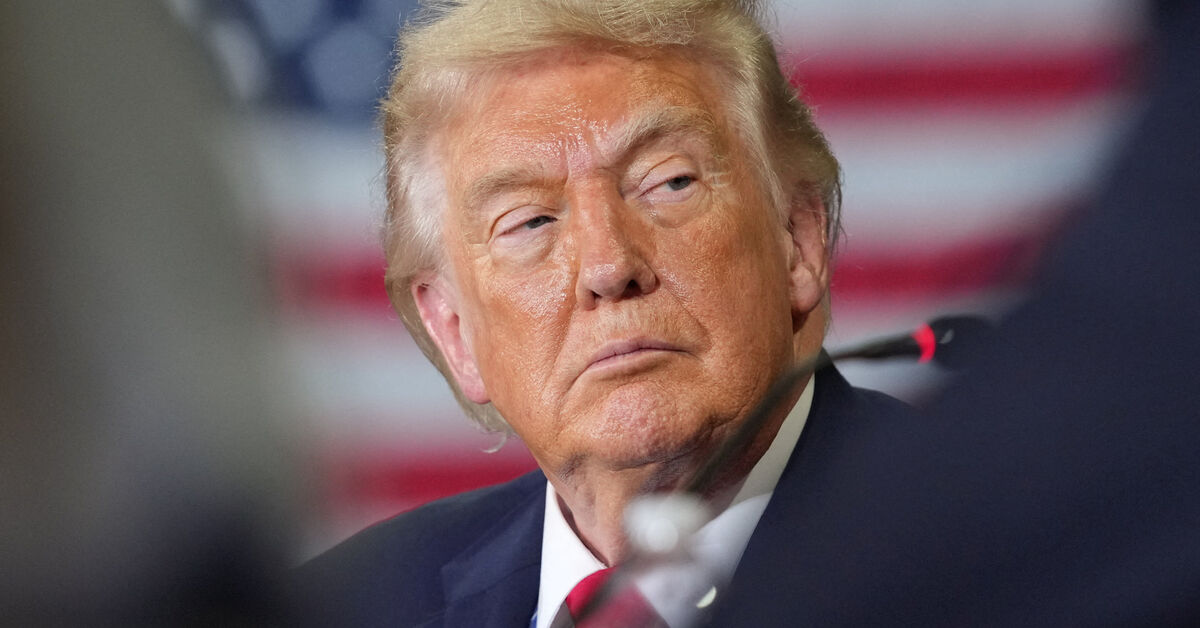
President Donald Trump is under domestic pressure as gas prices rise. In comments to NBC, he said Iran still has access to some missiles and drones, but far fewer than before. The article presents the moment as one more escalation that complicates both diplomacy and efforts to keep regional shipping open.
Key points
- The U.S. says it struck Iranian radar and surveillance sites after downing drones near the Strait of Hormuz.
- Washington believed the drones were aimed at regional maritime traffic.
- The Strait of Hormuz is a critical oil chokepoint, and Iran has effectively blocked it during the war.
- U.S.-Iran talks on an interim deal are still underway, but the latest exchange makes progress harder.
- Fighting is also continuing in Lebanon, where Hezbollah and Israeli forces traded attacks despite ceasefire efforts.
If the attacks push both sides back toward talks, they could still reach an interim deal that pauses the war. The article says such a deal could reopen shipping through the Strait of Hormuz and leave the nuclear issue for later negotiations.
If drones and strikes keep escalating, the Strait of Hormuz could stay blocked and global oil flows could remain under pressure. The conflict could also keep spreading through Lebanon and other fronts, making ceasefire efforts harder to sustain.