US attacks Iran's water desalination facilities, leaving 10,000 people without water
The US has attacked Iran's water desalination facilities in the southern province of Hormozgan, leaving 10,000 people without access to clean water. Iran has retaliated by attacking a water desalination facility in Kuwait. The US has also targeted Iran's oil tankers in th…
Intelligence analysis by Llama
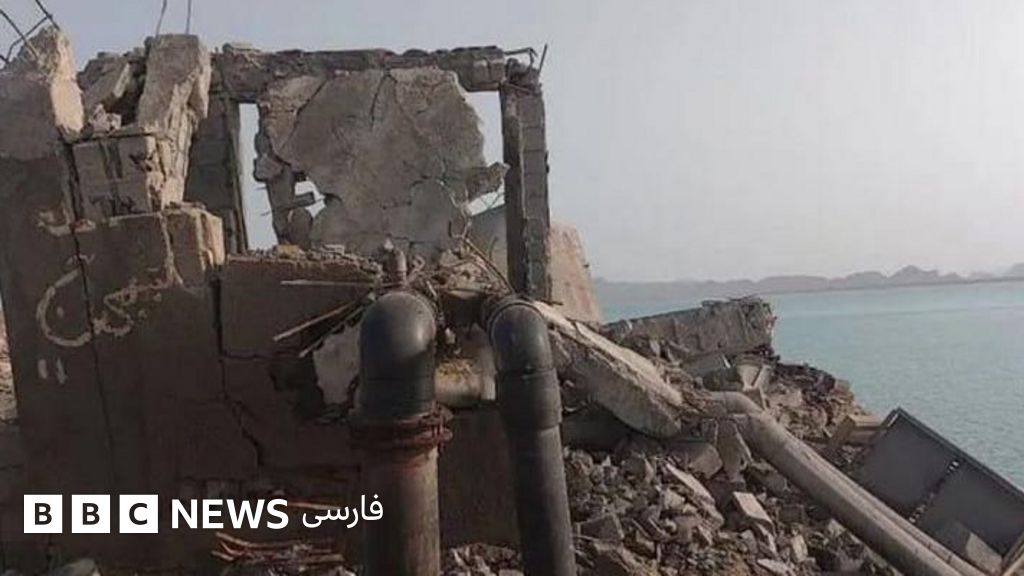
The US has launched a series of attacks on Iran's water desalination facilities, leaving thousands of people without access to clean water. Iran has retaliated by attacking a water desalination facility in Kuwait. The US has also targeted Iran's oil tankers in the Gulf of Oman.
Imagine you're living in a place where there's no clean water to drink. That's what's happening to 10,000 people in Iran right now because of a war between the US and Iran. The US has been attacking Iran's water desalination facilities, which are like big machines that make clean water from seawater. Iran has been retaliating by attacking the US's allies in the region. It's a very complicated and scary situation.
Analysis
A Desperate Measure: The US Attacks Iran's Water Desalination Facilities
The US has launched a series of attacks on Iran's water desalination facilities in the southern province of Hormozgan, leaving 10,000 people without access to clean water. The attacks have been widely condemned by the international community, with many calling for an immediate ceasefire.
Iran has retaliated by attacking a water desalination facility in Kuwait, which has been a key player in the region's water crisis. The US has also targeted Iran's oil tankers in the Gulf of Oman, which could have significant economic implications for the country.
The attacks on Iran's water desalination facilities have highlighted the humanitarian impact of the conflict. The people of Hormozgan province are struggling to access clean water, and the situation is becoming increasingly dire. The US has been accused of using disproportionate force, and many are calling for an immediate ceasefire.
The situation is further complicated by the fact that Iran has been struggling to access clean water for years. The country's water crisis has been exacerbated by the US-led sanctions, which have made it difficult for Iran to access the necessary resources to address the issue.
The international community has been quick to condemn the US's actions, with many calling for an immediate ceasefire. The situation is becoming increasingly tense, and it remains to be seen how the conflict will unfold.
The Humanitarian Impact of the Conflict
The attacks on Iran's water desalination facilities have had a devastating impact on the people of Hormozgan province. The lack of access to clean water has led to a surge in water-borne diseases, and many are struggling to access basic necessities like food and medicine.
The situation is becoming increasingly dire, and many are calling for an immediate ceasefire. The US has been accused of using disproportionate force, and many are questioning the morality of the attacks.
The humanitarian impact of the conflict is clear, and it is imperative that the international community takes action to address the situation. The US must be held accountable for its actions, and the people of Hormozgan province must be given access to the resources they need to survive.
The Economic Implications of the Conflict
The US's attacks on Iran's oil tankers in the Gulf of Oman could have significant economic implications for the country. Iran's oil exports are a key source of revenue for the country, and any disruption to the supply chain could have far-reaching consequences.
The US has been accused of using economic warfare to weaken Iran's economy, and many are questioning the morality of the attacks. The situation is becoming increasingly tense, and it remains to be seen how the conflict will unfold.
The economic implications of the conflict are clear, and it is imperative that the international community takes action to address the situation. The US must be held accountable for its actions, and the people of Iran must be given access to the resources they need to survive.
Key points
- The US has attacked Iran's water desalination facilities in the southern province of Hormozgan, leaving 10,000 people without access to clean water.
- Iran has retaliated by attacking a water desalination facility in Kuwait.
- The US has also targeted Iran's oil tankers in the Gulf of Oman, which could have significant economic implications for the country.
- The attacks on Iran's water desalination facilities have highlighted the humanitarian impact of the conflict.
- The international community has been quick to condemn the US's actions, with many calling for an immediate ceasefire.
If the US and Iran can come to a peaceful agreement, it's possible that the water crisis in Hormozgan province could be alleviated. The US could also lift its sanctions on Iran, which would allow the country to access the resources it needs to address its water crisis.
If the conflict continues, it's possible that the water crisis in Hormozgan province could worsen. The US could also continue to target Iran's oil tankers, which would have significant economic implications for the country.
Market signals
- OIL The US's attacks on Iran's oil tankers in the Gulf of Oman could have significant economic implications for the country.
AI-generated analysis of potential market relevance. Not financial advice.