US claims 3 China-linked spy sites in Cuba monitoring American military activity
The US has accused China of operating three intelligence-gathering facilities in Cuba, portraying Havana as a strategic platform for Beijing to monitor American military activity.
Intelligence analysis by Llama
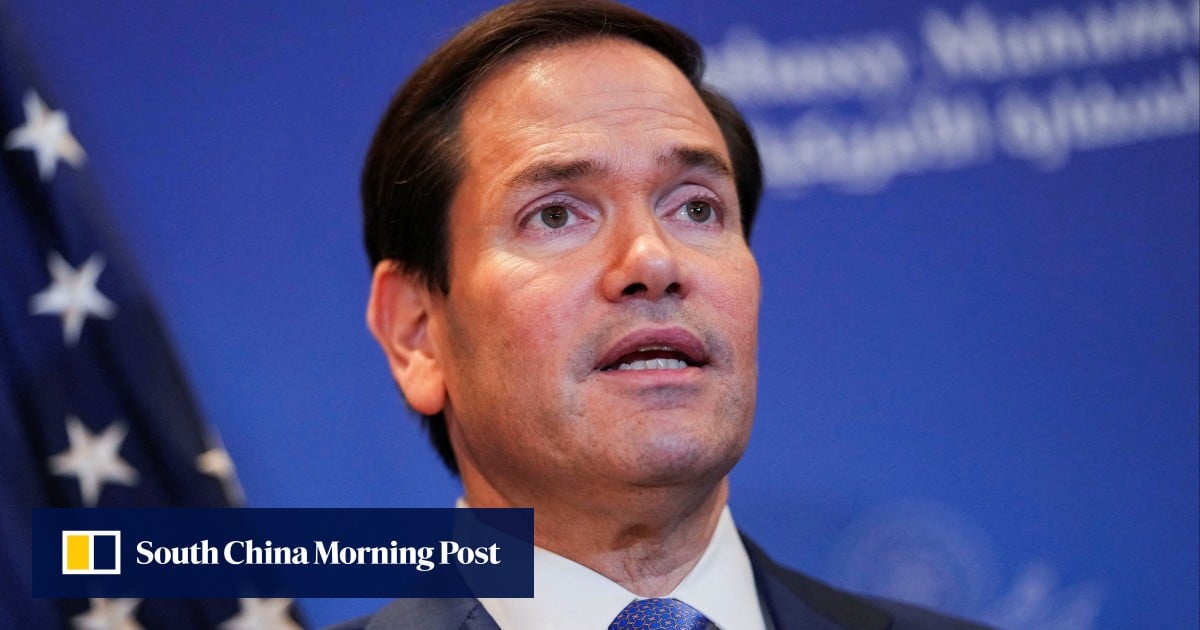
A State Department report claims China maintains a persistent intelligence-gathering presence in Cuba, with three of 18 known signals-intelligence facilities operated by Beijing. China and Russia have reportedly tripled their intelligence personnel at Cuban facilities since 2023.
Imagine you're playing a game where you need to keep an eye on your opponent's moves. China is like the opponent, and Cuba is like a strategic location where China can keep an eye on the US military. The US is worried because China is getting better at spying on them from Cuba.
Analysis
A Strategic Platform for Beijing
The US has accused China of operating three intelligence-gathering facilities in Cuba, portraying Havana as a strategic platform for Beijing to monitor American military activity. A State Department report released on Monday said China maintained a "persistent intelligence-gathering presence" in Cuba, whose location gives Beijing potential access to electronic communications, military installations, and maritime activity in the southeastern United States.
The report, titled Cuba: The Capital of 21st Century Communism, said China "actively runs" three of 18 known signals-intelligence facilities on the island. It also said China and Russia had reportedly tripled their intelligence personnel at Cuban facilities since 2023. Some Chinese and Russian facilities were assessed as jointly operated with Cuba, the report said, citing prior reporting by The Wall Street Journal.
Citing an unnamed senior US official, the report said Beijing and Moscow regarded their Cuba-based sites as among their "most critical foreign listening posts". The report did not identify the three facilities it said were operated by China, nor did it provide new intelligence to support its assessment. Several of its central claims were attributed to previous media reports and research by the Washington-based Centre for Strategic and International Studies (CSIS).
Implications for US-China Relations
The US is concerned about China's growing influence in South America, particularly in Cuba, which is seen as a strategic platform for Beijing to monitor American military activity. The report's findings are likely to exacerbate tensions between the US and China, particularly in the context of the ongoing trade war and competition for influence in the region.
The Road Ahead
The US is likely to continue to monitor China's activities in Cuba and other parts of South America, particularly in the context of the ongoing trade war and competition for influence in the region. The report's findings are likely to inform US policy towards China and Cuba, and may lead to increased scrutiny of Chinese activities in the region.
Key points
- The US has accused China of operating three intelligence-gathering facilities in Cuba.
- China maintains a persistent intelligence-gathering presence in Cuba.
- China and Russia have reportedly tripled their intelligence personnel at Cuban facilities since 2023.
- The US is concerned about China's growing influence in South America, particularly in Cuba.
If the US and China can find a way to cooperate on issues related to Cuba and South America, it could lead to improved relations between the two countries and a more stable region.
If the US and China continue to compete for influence in the region, it could lead to increased tensions and instability in South America, particularly in Cuba.