US Closes in on Iran's Strait of Hormuz Bitcoin Insurance Policy, Sanctions Companies
The US has sanctioned companies tied to the Iranian regime for using Bitcoin to bypass sanctions and accept payment for ships passing through the Strait of Hormuz.
Intelligence analysis by Llama
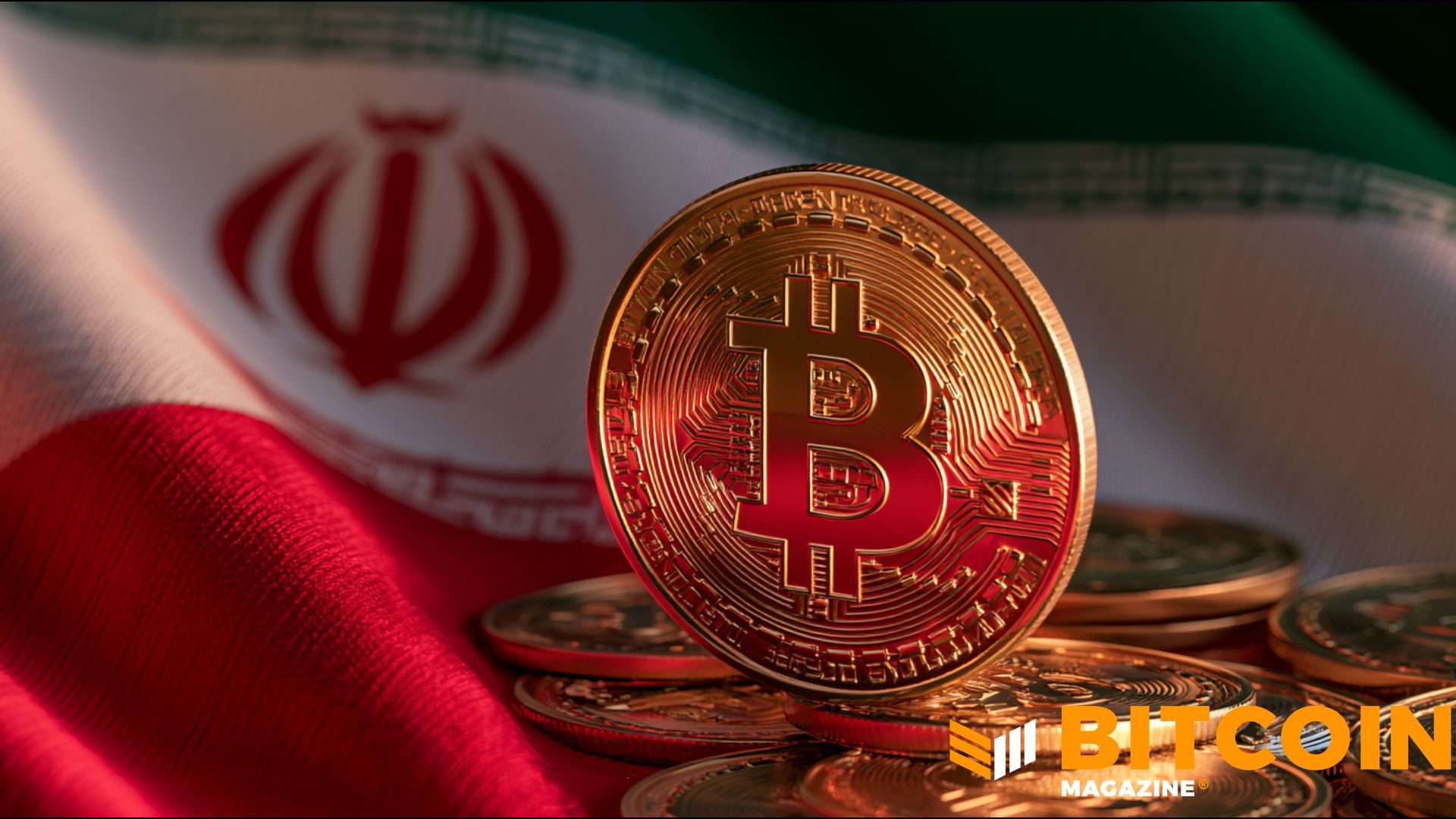
The US has frozen Iran's digital assets and sanctioned companies tied to the Iranian regime for using Bitcoin to bypass sanctions and accept payment for ships passing through the Strait of Hormuz.
Imagine you're a ship captain trying to get through a busy waterway. The US and Iran are like two big ships trying to navigate through this waterway, but they don't agree on the rules. Iran is trying to use a special kind of money called Bitcoin to pay for ships to go through the waterway, but the US is saying that's not allowed. This is a big deal because it could affect the global economy and how countries trade with each other.
Analysis
A $60B Vote of Confidence
The US's decision to sanction companies tied to the Iranian regime for using Bitcoin to bypass sanctions is a significant development in the ongoing conflict between the two nations. The Strait of Hormuz, which is a critical waterway for global oil trade, has been a point of contention between the US and Iran, with the US imposing sanctions on Iran's oil exports in 2018. The use of Bitcoin to bypass these sanctions is a clever move by Iran, but one that the US is determined to prevent.
Why Cursor?
But why is the US so concerned about Iran's use of Bitcoin? The answer lies in the potential risks and implications of using cryptocurrency in international trade. With the rise of decentralized finance (DeFi) and the increasing adoption of cryptocurrency, the use of Bitcoin in international trade is becoming more common. However, this also raises concerns about the potential for money laundering, terrorist financing, and other illicit activities.
The Road Ahead
The US's decision to sanction companies tied to the Iranian regime for using Bitcoin to bypass sanctions is a significant development in the ongoing conflict between the two nations. The implications of this decision are far-reaching and will likely have significant consequences for the global economy. As the use of cryptocurrency in international trade continues to grow, it is essential to address the potential risks and implications of this trend. The US's actions in this regard will set a precedent for other countries to follow, and it will be interesting to see how other nations respond to this development.
Key points
- The US has sanctioned companies tied to the Iranian regime for using Bitcoin to bypass sanctions.
- The use of Bitcoin in international trade raises concerns about the potential for money laundering, terrorist financing, and other illicit activities.
- The US's decision to sanction companies tied to the Iranian regime is a significant development in the ongoing conflict between the two nations.
- The implications of this decision are far-reaching and will likely have significant consequences for the global economy.
- The use of cryptocurrency in international trade is becoming more common, but it also raises concerns about the potential risks and implications of this trend.
If the US and Iran can come to an agreement on the use of Bitcoin in international trade, it could lead to a more stable and secure global economy. This could also lead to increased adoption of cryptocurrency and the development of new financial technologies.
If the US and Iran cannot come to an agreement on the use of Bitcoin in international trade, it could lead to a significant increase in tensions between the two nations. This could also lead to a decline in the value of Bitcoin and other cryptocurrencies, as well as a decrease in global trade and economic activity.