US consumers, businesses squeezed by inflation, Fed survey shows
Fed districts reported weaker consumer spending, higher costs and rising inflation pressures, complicating the case for rate cuts.
Intelligence analysis by GPT-5.4 Mini
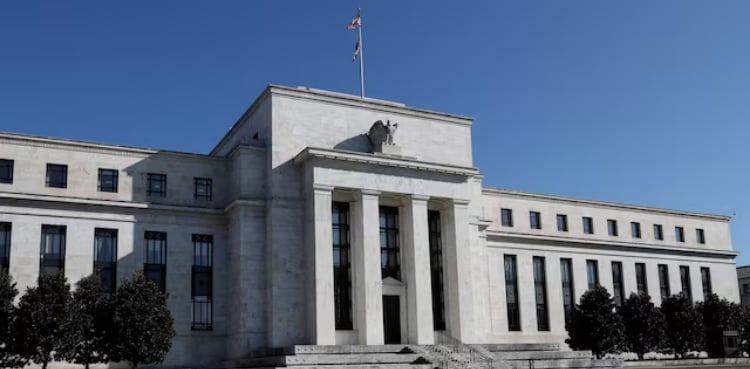
The Federal Reserve’s Beige Book paints an economy where investment is still strong, but households and businesses are feeling pressure from higher prices, especially energy-linked costs. The report also suggests hiring is cooling for some younger workers, while policymakers grow less confident about cutting rates soon.
The U.S. economy looks like a family budget that is still working, but every bill costs more. People and businesses are tightening their belts, while the Fed is deciding whether to keep interest rates high so prices do not keep climbing.
Analysis
What the Fed saw
The Federal Reserve’s latest Beige Book says U.S. business outlooks for the next six months changed little, but uncertainty and weaker consumer spending are weighing on sentiment. The report is one of the background checks policymakers use before deciding what to do with interest rates.
Inflation pressure is broadening
The Beige Book said energy-related costs tied to the conflict in the Middle East were the main source of inflationary pressure, with spillovers into shipping, packaging, groceries, and fertilizer. The article says some consumers are shifting toward hybrid cars, and one New York warning pointed to tighter apple supplies because fertilizer costs became too high to use in normal amounts.
Fed policy is getting harder
Inflation by the Fed’s preferred measure rose to 3.8% in April from 3.5% in March, and prices have stayed above the central bank’s 2% target for more than five years. That is why the article says the mood inside the Fed has moved away from expecting rate cuts later this year and toward the possibility of holding rates steady for a long time, or even raising them.
Hiring is uneven
The labor market is described as more stable than it looked last year, but there are signs of strain for younger workers. Federal Reserve district reports cited a surplus of entry-level workers and longer hiring processes, with candidates going through multiple interview rounds before getting jobs. The article also notes that AI may be slowing hiring for some early-career roles, even if it eventually helps reduce inflation.
The broader picture
Kevin Warsh, who replaced Jerome Powell as Fed chief in late May, inherits an economy that still has investment strength but is showing clearer signs of consumer strain and persistent price pressure.
Key points
- The Fed’s Beige Book says consumer spending is weakening and uncertainty is hurting business sentiment.
- Energy-related costs tied to the Middle East conflict are pushing up prices across several sectors.
- Inflation rose to 3.8% in April, still far above the Fed’s 2% target.
- The article says Fed policy is shifting away from expected rate cuts and toward holding rates steady.
- Hiring appears tougher for entry-level workers, with longer interview processes and a surplus of applicants.
If energy costs ease, price pressure could cool across shipping, groceries and other basics. That would make it easier for the Fed to avoid further tightening and give businesses and consumers some breathing room.
If inflation stays above target and energy-driven costs remain high, the Fed may keep rates elevated for longer or even consider another hike. That could keep borrowing expensive and make hiring and spending even weaker, especially for younger workers and middle-income households.