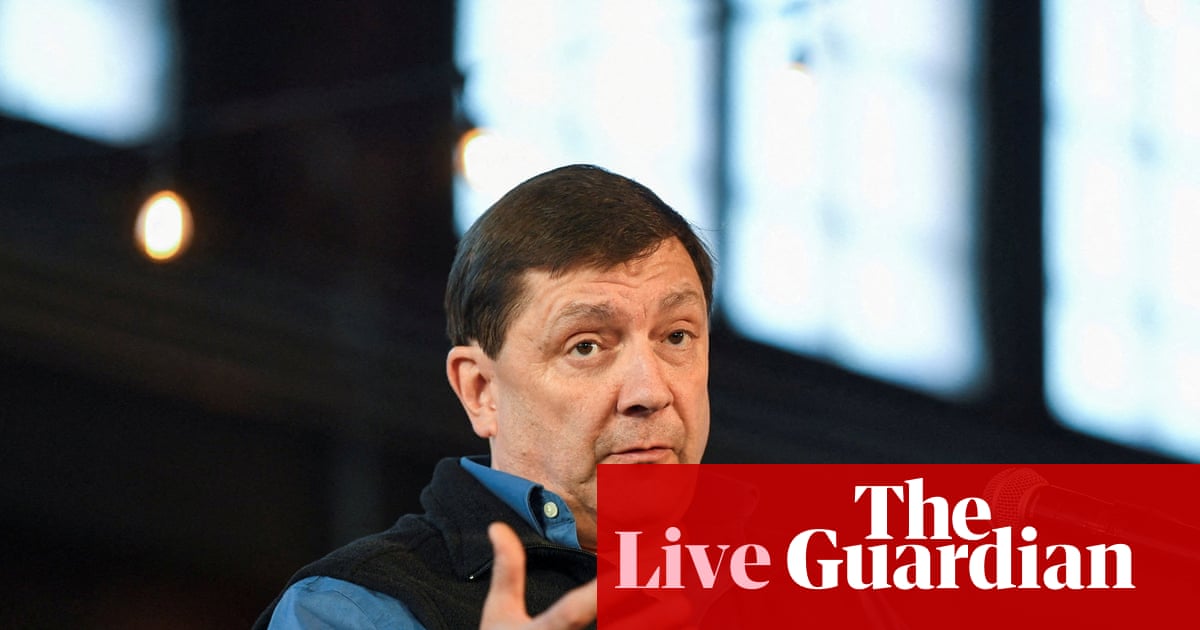
US continues attacks on Iran ‘in honor’ of dead service members
The US launched a ninth night of strikes targeting Iran after announcing the death of another American service member. Donald Trump said the new attacks were 'in honor' of the dead. Iranian supreme leader Mojtaba Khamenei warned of 'unforgettable lessons' if the US kept a…
Intelligence analysis by Llama
The US continues its attacks on Iran, with the ninth night of strikes launched in honor of the dead American service members. Iranian supreme leader Mojtaba Khamenei warns of 'unforgettable lessons' if the US keeps attacking.
The US is fighting a war with Iran, and it's causing problems for the global economy. The US is trying to make sure that oil can flow through a critical waterway, but Iran is not making it easy. This is causing problems for the global economy and the stability of the Middle East.
Analysis
A $60B Vote of Confidence
The US continues its attacks on Iran, with the ninth night of strikes launched in honor of the dead American service members. This escalation of violence has significant implications for the global economy, particularly in the energy sector. The price of Brent crude has risen by 2.72% to $90.50 a barrel, a direct result of the ongoing conflict. The US mission against Iran has shifted toward ensuring oil shipments can move through the strait of Hormuz, a critical waterway for global energy supplies. The US energy secretary, Chris Wright, has argued that the mission has become more focused on ensuring the free flow of oil, rather than preventing Tehran from gaining nuclear weapons. This shift in priorities has significant implications for the global economy and the stability of the Middle East.
Why Cursor?
The US has been at war with Iran since February, when the former Iranian supreme leader was killed in joint US-Israeli strikes. The war has resulted in the deaths of 17 US service members, with the latest death occurring on Saturday in northern Iraq. The US has indicated several motives for the war, including preventing Tehran from gaining nuclear weapons and trying to force regime change. However, the US mission has shifted toward ensuring oil shipments can move through Hormuz, a critical waterway for global energy supplies. This shift in priorities has significant implications for the global economy and the stability of the Middle East.
The Road Ahead
The ongoing conflict between the US and Iran has significant implications for global security and the stability of the Middle East. The US has launched a ninth night of strikes targeting Iran, with the latest attack being 'in honor' of the dead American service members. Iranian supreme leader Mojtaba Khamenei has warned of 'unforgettable lessons' if the US keeps attacking. The US energy secretary, Chris Wright, has argued that the mission has become more focused on ensuring the free flow of oil, rather than preventing Tehran from gaining nuclear weapons. This shift in priorities has significant implications for the global economy and the stability of the Middle East.
Key points
- The US has launched a ninth night of strikes targeting Iran.
- The US is trying to ensure oil shipments can move through the strait of Hormuz.
- Iranian supreme leader Mojtaba Khamenei has warned of 'unforgettable lessons' if the US keeps attacking.
- The US energy secretary, Chris Wright, has argued that the mission has become more focused on ensuring the free flow of oil, rather than preventing Tehran from gaining nuclear weapons.
If the US and Iran can find a way to resolve their differences, it could lead to a more stable and secure Middle East. This could also lead to a decrease in oil prices, which would be beneficial for the global economy.
If the US and Iran continue to escalate their conflict, it could lead to a wider war in the Middle East. This could also lead to a significant increase in oil prices, which would be detrimental to the global economy.
Market signals
- Oil The ongoing conflict between the US and Iran has led to a rise in oil prices, with Brent crude climbing 2.72% to $90.50 a barrel.
AI-generated analysis of potential market relevance. Not financial advice.