US deports Iranian pro-democracy activist to Central African Republic, lawyer says
The U.S. deported an Iranian pro-democracy activist to Central African Republic, her lawyer said, warning she has no ties there.
Intelligence analysis by GPT-5.4 Mini
Reuters reports that the U.S. sent one Iranian activist to Central African Republic under a third-country deportation arrangement. Her lawyer says the transfer is dangerous because she has no support network there and could still end up back in Iran.
A woman who stood up to Iran was put on a plane to a faraway country where she has no family or home. It is like dropping someone with no map in a city they never visited, which her lawyer says could be very unsafe.
Analysis
What happened
The United States deported an Iranian pro-democracy activist to Central African Republic, according to her lawyer, Emily Trostle. The activist was the only person on the flight that left Louisiana on Thursday night, though the Iranian American Legal Defense Fund had said three Iranian women faced removal.
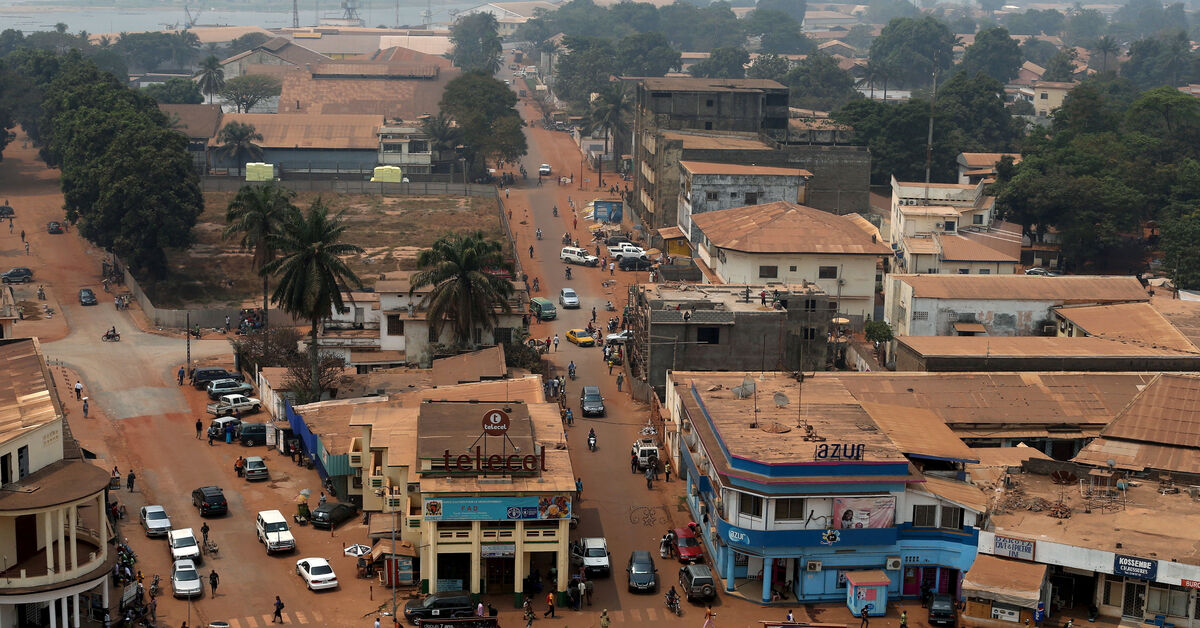
The plane was expected to go to Bangui via Accra. Trostle said the activist had no connection to Central African Republic and described the transfer as dangerous, arguing that the deportees are being left in a place where they have no status, support, or legal protection.
Why the route matters
The article says the U.S. has used agreements with countries such as Ghana and Central African Republic to deport people it cannot legally send home. Rights groups say the terms of those arrangements are opaque and that many deportees are eventually repatriated to the countries they originally fled.
The IALDF said the Iranian women were denied asylum because of a transit-country rule that required them to seek protection in the countries they passed through before reaching the U.S. A federal court in California vacated that rule in May.
Broader risks
The group warned that sending Iranians to Central African Republic could be dangerous because of the country's security problems and the possibility of repatriation. It also pointed to Russian mercenary and troop presence in the country, and said Moscow's intelligence ties with Tehran were concerning.
The article frames the deportation as part of a larger U.S. strategy for third-country removals, and as a case that could leave vulnerable people stranded far from home with few protections.
Key points
- The U.S. deported one Iranian pro-democracy activist to Central African Republic, her lawyer said.
- The lawyer said the activist has no connection to the country and called the transfer dangerous.
- The case is part of a broader U.S. use of third-country deportation deals with countries such as Ghana and Central African Republic.
- Rights groups say those arrangements are opaque and that some deportees are later repatriated.
- The article cites security concerns in Central African Republic and the risk that the activist could be sent back to Iran.
If the deportation stands, the activist could be left without legal status or support in Central African Republic. The article warns she may still be pushed onward to Iran, where she originally fled persecution.