U.S. FBI intelligence agent arrested in connection with theft of $1 million in crypto
An FBI counterintelligence agent with 'top secret' clearance allegedly admitted to colleagues that he'd taken about $1 million in crypto from the wallets of people investigated by the agency.
Intelligence analysis by Llama
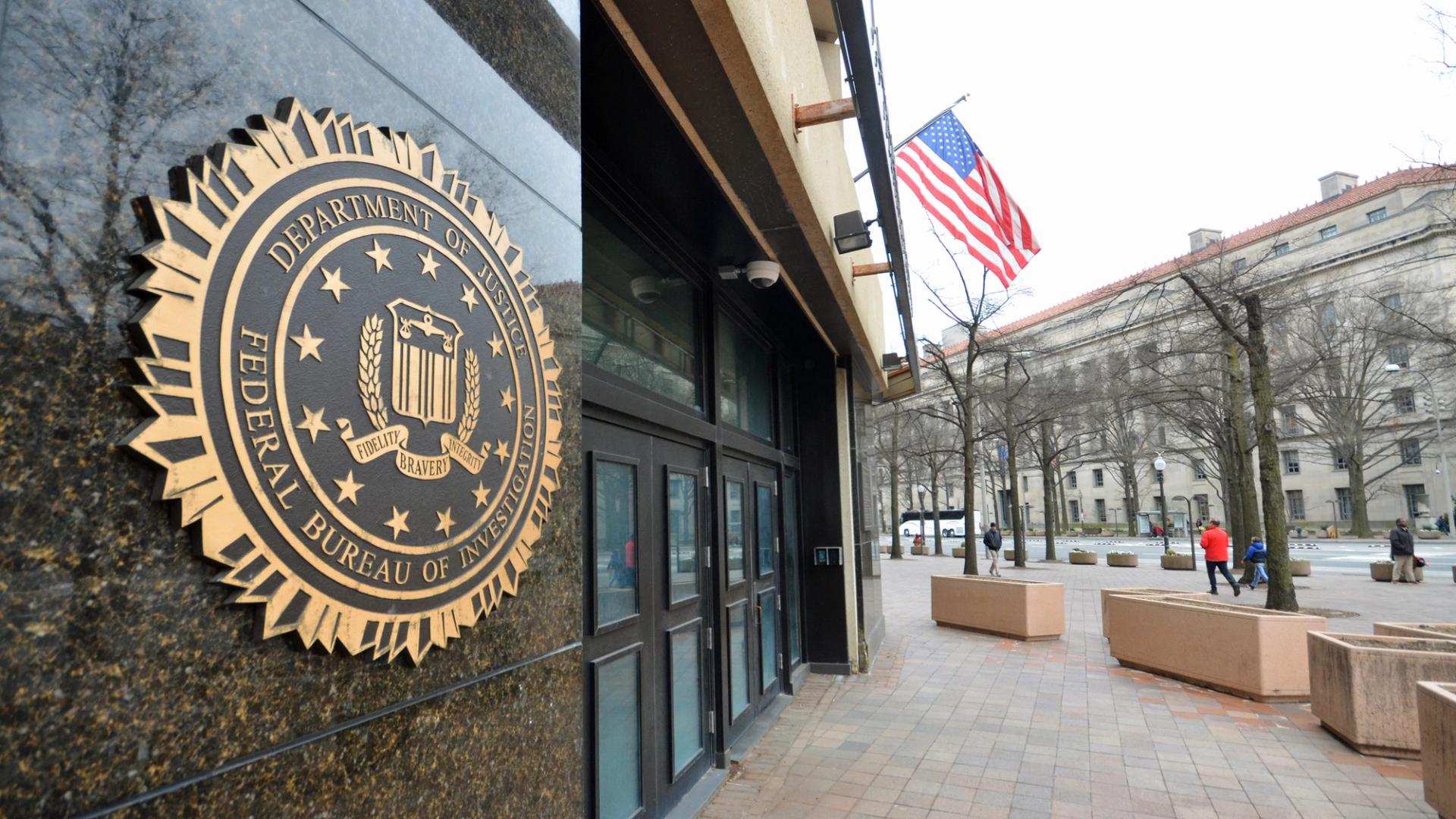
An FBI agent with 'top secret' clearance was arrested and accused of stealing $1 million in crypto from wallets of people investigated by the agency.
Imagine someone with a super important job at the FBI, who is supposed to keep secrets, but instead uses their power to steal money. That's what happened with Patrick Yarmoch, who was arrested for taking over $1 million in crypto from people the FBI was investigating. He even used special computer tools to plan his next moves and hide his tracks.
Analysis
A High-Level Agent's Downfall
The arrest of Patrick Steven Yarmoch, a senior FBI agent with 'top secret' clearance, has sent shockwaves through the agency. Yarmoch, who worked in the FBI's counterintelligence and espionage division, allegedly stole over $1 million in crypto from the wallets of individuals investigated by the agency. The agent's actions were reportedly uncovered after he turned himself in to colleagues, revealing that he had used his access to FBI systems to make transfers to his own accounts.
The Investigation Unfolds
The FBI's investigation into Yarmoch's activities began after he was suspended for a couple of days. During this time, investigators searched his computer and phone records, discovering that he had been using AI apps to plan his next moves. One such app recommended Portugal as a favored destination for Yarmoch, who was planning to leave the US and become a resident or citizen of an EU country. Investigators also located travel plans for Yarmoch and his family to go to Portugal next month, as well as recent trips to Germany, Portugal, and Grenada that he had not reported internally.
The Fallout
Yarmoch's arrest and subsequent detention in Alexandria, Virginia, have raised questions about the security of sensitive information within the FBI. The agency's rules require employees to report any foreign travel, but Yarmoch had failed to do so. The incident has also highlighted the potential for insider threats, where individuals with access to sensitive information use their positions for personal gain.
Key points
- An FBI agent with 'top secret' clearance was arrested and accused of stealing $1 million in crypto from wallets of people investigated by the agency.
- The agent allegedly used his access to FBI systems to make transfers to his own accounts.
- The FBI's investigation into Yarmoch's activities began after he was suspended for a couple of days.
- Yarmoch's arrest and subsequent detention in Alexandria, Virginia, have raised questions about the security of sensitive information within the FBI.
If Yarmoch's actions are a one-time mistake, the FBI can use this incident as a chance to review and improve their security protocols, preventing similar insider threats in the future.
If Yarmoch's actions are part of a larger pattern of corruption within the FBI, it could lead to a loss of public trust and damage to the agency's reputation.