US Federal Reserve holds interest rates steady despite Warsh’s inflation vow
The US Federal Reserve held interest rates steady on Wednesday, a decision that may intensify questions about how central bank chief Kevin Warsh will deliver on his commitment to bring inflation back down to the 2 per cent target.
Intelligence analysis by Llama
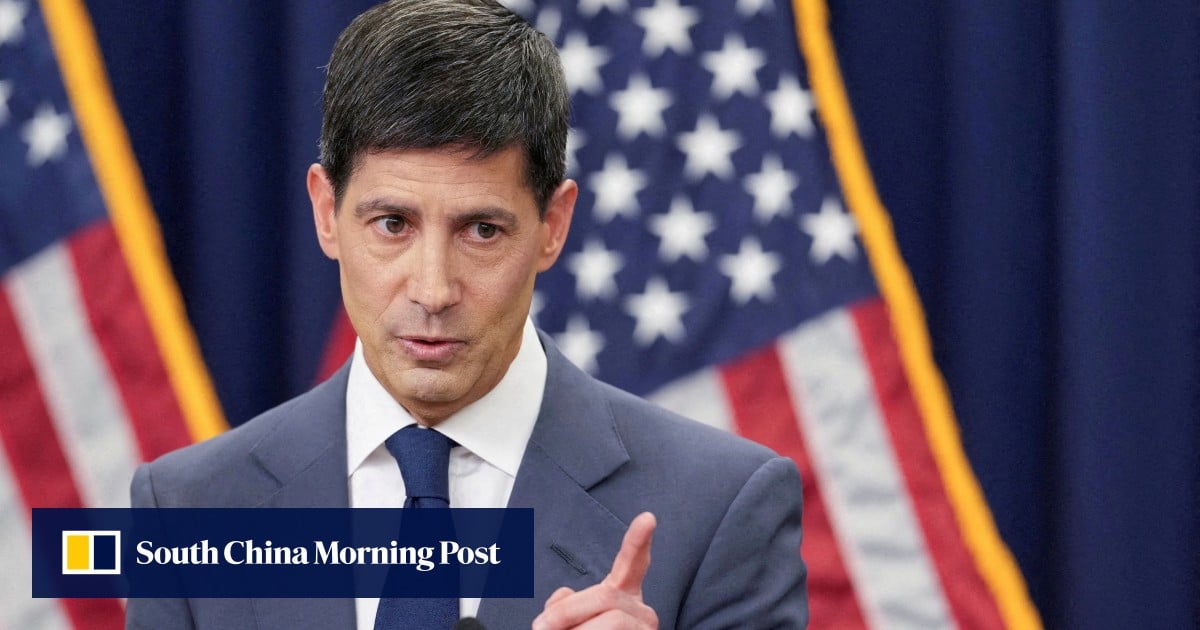
The Federal Reserve held interest rates steady, a decision that may raise questions about how central bank chief Kevin Warsh will deliver on his commitment to bring inflation back down to the 2 per cent target.
The US Federal Reserve is like a bank for banks. They set interest rates to control inflation. Inflation is when prices for things like food and housing go up. The Fed decided not to change the interest rate, which might mean they're not taking inflation seriously enough. This could affect the US economy and the world market.
Analysis
A $60B Vote of Confidence
The Federal Reserve's decision to hold interest rates steady may be seen as a vote of confidence in the US economy, but it also raises questions about how central bank chief Kevin Warsh will deliver on his commitment to bring inflation back down to the 2 per cent target. Warsh has said he has 'no tolerance' for inflation that has been running above the central bank's target for more than five years, and up until last month was accelerating as the war in the Middle East pushed up global fuel and food prices, and investment in data centres and other spending tied to artificial intelligence drove up demand.
The Fed said economic activity is 'expanding at a solid pace', noting that job gains 'have kept pace with the workforce, and the unemployment rate has changed little'. However, the decision to hold interest rates steady may be seen as a sign that the Fed is not taking inflation seriously enough, particularly in light of the ongoing war in the Middle East and the impact of artificial intelligence on inflation.
Why Cursor?
The decision to hold interest rates steady may also raise questions about the Fed's strategy for dealing with inflation. Warsh has said that he has 'no tolerance' for inflation, but the Fed's decision to hold interest rates steady may suggest that it is not taking inflation seriously enough. This could have implications for the US economy and the global market, particularly in light of the ongoing war in the Middle East and the impact of artificial intelligence on inflation.
The Road Ahead
The decision to hold interest rates steady may also have implications for the road ahead for the US economy. If the Fed is not taking inflation seriously enough, it could lead to higher inflation in the future, which could have negative consequences for the economy. On the other hand, if the Fed is able to bring inflation back down to the 2 per cent target, it could lead to a stronger economy and higher growth rates.
Key points
- The Federal Reserve held interest rates steady on Wednesday.
- The decision may raise questions about how central bank chief Kevin Warsh will deliver on his commitment to bring inflation back down to the 2 per cent target.
- The Fed said economic activity is 'expanding at a solid pace', noting that job gains 'have kept pace with the workforce, and the unemployment rate has changed little'.
If the Fed is able to bring inflation back down to the 2 per cent target, it could lead to a stronger economy and higher growth rates. This could also lead to lower interest rates, making it easier for people to borrow money and invest in the economy.
If the Fed is not taking inflation seriously enough, it could lead to higher inflation in the future, which could have negative consequences for the economy. This could also lead to a weaker economy and lower growth rates.
