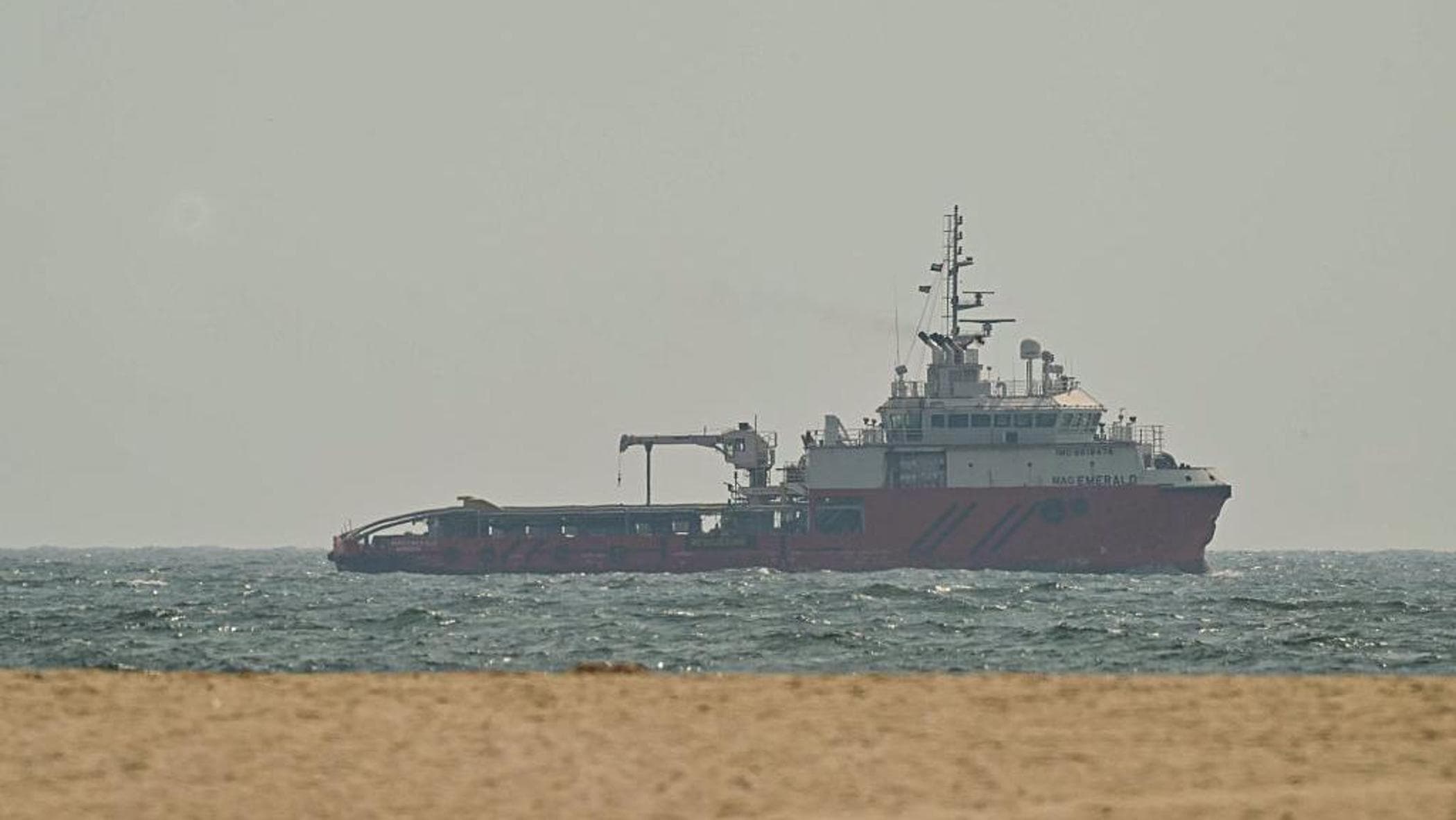
US forces strike Iran for seventh consecutive night
US forces have carried out strikes on Iran for a seventh consecutive night, targeting surveillance sites, military logistics infrastructure, underground weapons storage, and maritime capabilities. Iran has responded by attacking US allies and bases in the region.
Intelligence analysis by Llama
The ongoing conflict between the US and Iran has seen a significant escalation, with both sides engaging in a series of strikes and counter-strikes. The situation remains volatile, with the Strait of Hormuz remaining at reduced levels of shipping traffic.
Imagine you're playing a game of chess, and both players are making moves to try and outmaneuver each other. That's kind of what's happening between the US and Iran right now. The US is making military moves to try and weaken Iran, while Iran is responding with its own military actions. It's a complex and volatile situation, and it's hard to predict what will happen next.
Analysis
A $60B Vote of Confidence
The US has continued to demonstrate its commitment to the conflict in Iran, with a series of strikes targeting key infrastructure and capabilities. This has been met with a fierce response from Iranian forces, who have attacked US allies and bases in the region. The situation remains volatile, with the Strait of Hormuz remaining at reduced levels of shipping traffic.
The ongoing conflict has significant implications for global energy markets and regional stability. The US has imposed a naval blockade on Iranian ports, while Iran has effectively closed the Strait of Hormuz following the outbreak of the conflict in February. The two nations had seemingly agreed to a deal to reopen the passage as part of June's 'memorandum of understanding', but renewed fighting has seen peace talks falter.
Under the terms of the provisional agreement, the US and Iran had agreed to cease hostilities. The US would remove its naval blockade of Iran while Tehran would reopen the Strait of Hormuz and reaffirm that it 'shall not procure or develop nuclear weapons'. The memorandum gave the two sides 60 days to achieve a final deal.
The situation remains uncertain, with the potential for further escalation. The US has continued to hold Iran accountable, while fully enforcing a naval blockade against Iranian ports. Iran has responded by attacking US allies and bases in the region, including the Ali Al Salem airbase in Kuwait and a number of communication sites in Bahrain.
Key points
- US forces have carried out strikes on Iran for a seventh consecutive night
- Iran has responded by attacking US allies and bases in the region
- The Strait of Hormuz remains at reduced levels of shipping traffic
- The conflict between the US and Iran has significant implications for global energy markets and regional stability
If the US and Iran can come to a peaceful agreement, it could lead to a significant reduction in tensions and a reopening of the Strait of Hormuz. This would have a positive impact on global energy markets and regional stability.
If the conflict between the US and Iran continues to escalate, it could lead to a significant increase in tensions and a further destabilization of the region. This could have a negative impact on global energy markets and regional stability.