US garbage incinerators are failing to eliminate ‘forever chemical’ air pollution, experts warn
Experts and advocates say US garbage incinerators are not reliably destroying Pfas and may be exposing nearby, often low-income communities to more pollution.
Intelligence analysis by GPT-5.4 Mini
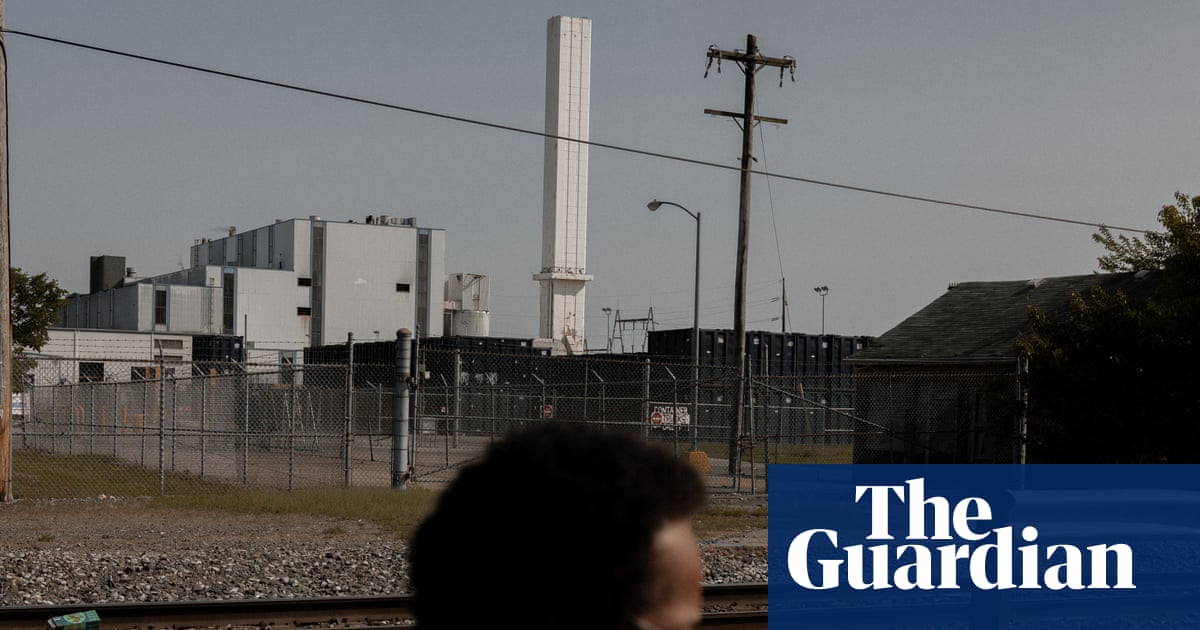
The Guardian reports that waste incinerators are being promoted as a fix for Pfas-laden trash, but independent experts and advocates say the technology is not proven to eliminate these “forever chemicals.” The dispute is now tied to state oversight, EPA standards, and fights over incinerator facilities in several cities.
Some companies say giant trash burners can make “forever chemicals” disappear. But experts in this story say that may not really happen, and the smoke could still carry dangerous stuff into the air.
It is a bit like trying to destroy sticky glue by tossing it into a fire. The glue may change shape, but it does not always vanish completely. The article says these chemicals are very hard to fully break down.
The worry is bigger for people living near the burners, often in poorer neighborhoods. If the burners do not truly solve the problem, the trash is not gone, it is just being moved around in a new way.
Analysis
What the dispute is about
US waste incinerators are being marketed by parts of the waste-management industry as a way to deal with Pfas, the hard-to-break-down chemicals used in many consumer products. But public health advocates and independent experts say the facilities are not reliably destroying the compounds and may be shifting the pollution into nearby air instead.
Why the industry claim is contested
The article focuses on a Minnesota trade-group report that says incinerators there reduced forever-chemical emissions by 99.6%. Critics argue the report relies on incomplete data, too few compounds, and testing that does not capture the full range of Pfas or the toxic by-products created when the chemicals are burned. A former DuPont Pfas scientist quoted in the story calls it a poor study and says missing data make the “99% reduction” claim unreliable.
Regulatory and economic stakes
The story says nearly 100 municipal or hazardous waste incinerators operate nationwide, with seven in Minnesota. It also notes fights over incinerators in Miami, Philadelphia, and Baltimore, plus a lawsuit challenging EPA emissions standards that do not include Pfas. The economic issue is not just pollution control; it is also who pays for safer waste handling, stricter regulation, and future cleanup. If incineration is not an effective fix, governments and operators may face higher costs and more pressure to change how they manage Pfas waste.
Key points
- Experts and advocates say US garbage incinerators are not reliably eliminating Pfas air pollution.
- A Minnesota industry report claiming a 99.6% reduction is being challenged as incomplete and misleading.
- Critics say incineration can create smaller toxic by-products and misses most of the many Pfas compounds in use.
- The issue is tied to EPA standards, state regulation, and fights over incinerators in several cities.
- Low-income neighborhoods are said to face the biggest exposure risk.