US government has problem with Iran, Iranian people
Iranian officials, including Parliament's National Security and Foreign Policy Commission chairman Ebrahim Azizi, assert that the US government harbors fundamental hostility towards Iran and its people.
Intelligence analysis by Gemini 2.5 Flash
Reacting to US Secretary of State Marco Rubio's recent remarks, Iranian officials criticized the US for its historical record of colonialism and bloodshed, accusing it of hypocrisy. They argued that Rubio's portrayal of Western civilization selectively legitimizes force while ignoring critical aspects of Greek tradition.
Imagine two kids arguing. One kid, the US, says the other kid, Iran, is always causing trouble. But Iran's leaders say, "Hold on! You, the US, have done some not-so-nice things in your own past, like hurting native people, and you're just picking parts of history to make yourself look good and us look bad." They believe the US just doesn't like Iran and its people, no matter what.
Analysis
Ebrahim Azizi
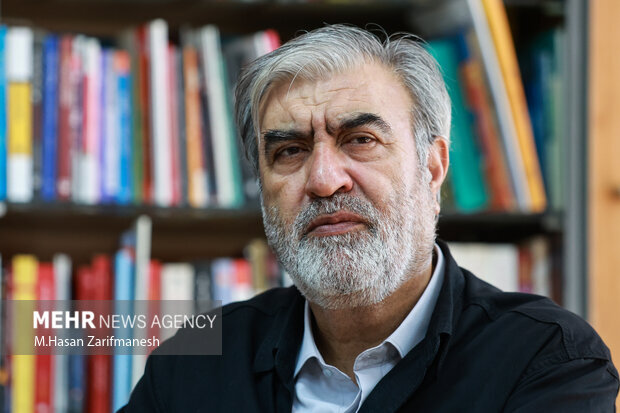
Ebrahim Azizi, the chairman of the Iranian Parliament National Security and Foreign Policy Commission, strongly criticized the United States government, stating it has a fundamental problem with both Iran and its people. In a post on his X account, Azizi highlighted what he perceives as the US's hypocritical stance, given its own historical record. He pointed to the US's origins, which he described as beginning with the "massacre of indigenous people," and its continuous engagement in "colonialism and bloodshed."
Azizi's remarks frame the US's accusations against Iran as disingenuous, stemming from a "malevolent nature" that harbors inherent hostility. This perspective is crucial for understanding the Iranian establishment's view of US foreign policy, which it often interprets through a lens of historical grievance and perceived imperialistic tendencies. His statement serves to reinforce a domestic narrative that portrays Iran as a victim of external aggression, particularly from the United States.
Marco Rubio's Narrative
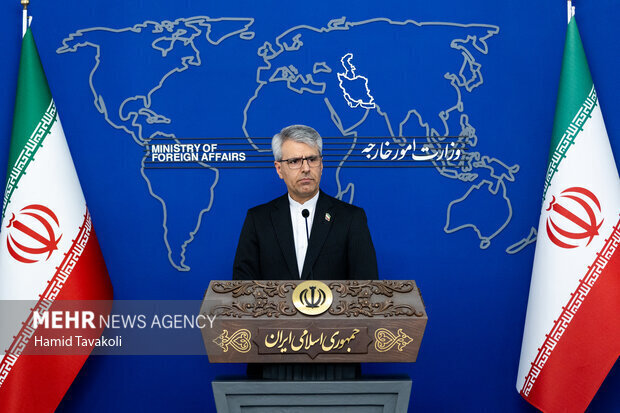
Iranian Foreign Ministry Spokesperson Esmaeil Baghaei also weighed in, specifically criticizing US Secretary of State Marco Rubio's portrayal of Western civilization during a visit to Greece. Baghaei accused Rubio of presenting a "selective historical narrative" that conveniently links ancient Greece to the modern United States. According to Baghaei, this interpretation aims to "legitimize the use of force" by emphasizing power and national will.
Baghaei argued that Rubio's narrative deliberately overlooked crucial aspects of the Greek tradition, particularly its critiques of "imperial ambition, arrogance and aggression." This counter-argument suggests that the US selectively appropriates historical legacies to justify its contemporary foreign policy actions, ignoring the philosophical underpinnings that might challenge such an approach. The Iranian response highlights a broader diplomatic strategy of challenging the moral and historical legitimacy of US foreign policy rhetoric.
Achaemenids
In his critique, Ebrahim Azizi specifically invoked the Achaemenids, referring to them as "the authors of the world's first human rights declaration." This historical reference serves as a powerful counterpoint to the US's accusations against Iran. By highlighting Iran's ancient civilization and its contributions to human rights, Azizi aims to underscore a perceived moral superiority and historical depth that he believes the US lacks.
This invocation of the Achaemenids is not merely a historical detail but a strategic rhetorical move. It positions Iran as a nation with a long-standing commitment to principles of justice and human rights, contrasting it with a US history that Azizi characterizes by violence and colonialism. Such historical framing is a recurring theme in Iranian official discourse, used to bolster national pride and delegitimize criticisms from Western powers by questioning their own historical and moral authority.
Key points
- Iranian officials accuse the US government of having a fundamental problem with Iran and its people.
- Ebrahim Azizi criticized the US's history of 'massacre of indigenous people' and 'colonialism and bloodshed'.
- Iranian Foreign Ministry Spokesperson Esmaeil Baghaei slammed US Secretary of State Marco Rubio's 'selective historical narrative' linking ancient Greece to modern US.
- Baghaei argued Rubio's interpretation overlooked Greek critiques of 'imperial ambition, arrogance and aggression'.
- Azizi contrasted the US's history with the Achaemenids, whom he called 'authors of the world's first human rights declaration'.
The persistent rhetoric from Iranian officials, accusing the US of fundamental hostility and historical hypocrisy, suggests a continued hardening of positions and a lack of diplomatic flexibility. This could further entrench the adversarial relationship, making de-escalation and constructive engagement increasingly difficult in the future.