US health panel recommends easing restrictions on controversial peptides
A federal health panel voted 8-6 to recommend the FDA drop restrictions on injectable peptides like BPC-157 and TB-500, despite FDA scientists warning of insufficient safety data.
Intelligence analysis by Llama
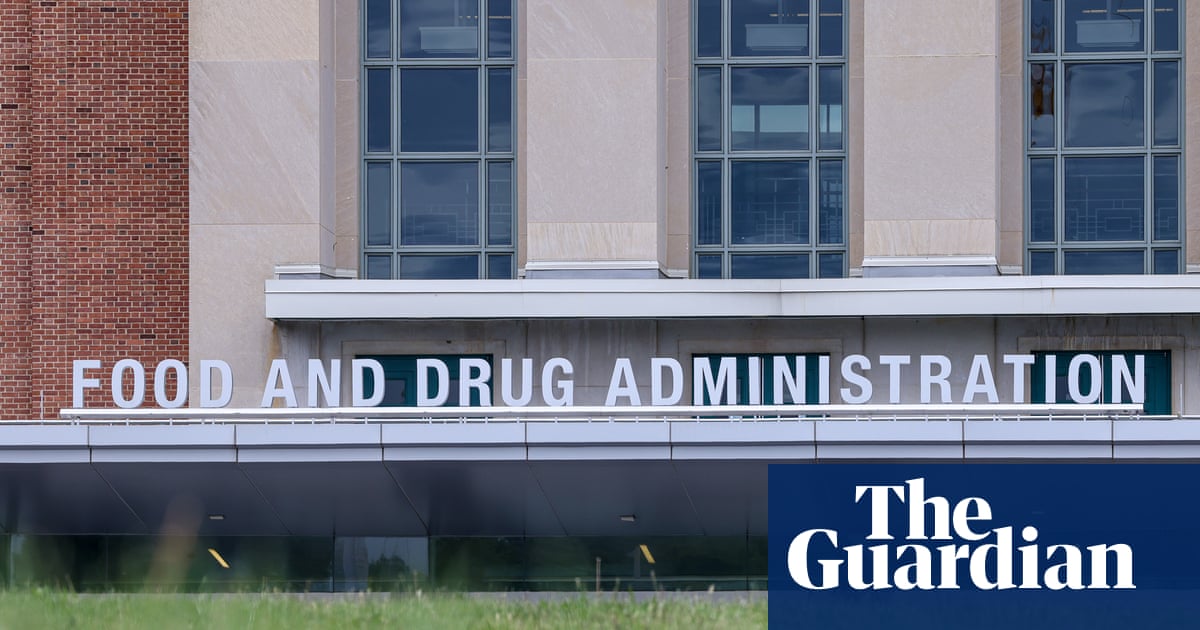
An FDA advisory panel, weighted with members tied to the peptides industry, narrowly recommended easing access to popular wellness peptides. The non-binding vote aligns with RFK Jr's push to overturn Biden-era restrictions, despite staff warnings of a 'wild west' marketplace.
Some grown-ups in charge of medicine voted to let pharmacies sell special chemicals called peptides, even though government scientists aren't sure they are safe. It's a bit like letting a friend sell homemade snacks at school without anyone checking if the ingredients are okay to eat.
Analysis
A Panel Stacked With Industry Voices
The 8-6 vote, with one abstention, did not emerge from a neutral review process. The Guardian reports that more than half a dozen people with connections to the peptides industry — doctors, pharmacists, and consultants — were added to the panel before the meeting. The result was a split that tracked almost perfectly with background: industry-connected members favored easing access, while academic clinicians largely opposed it. Dr Elizabeth Rebello of MD Anderson Center captured the worry succinctly, saying she was concerned the panel was "responding to a market-induced demand rather than a decision based in solid science." That kind of constituency imbalance on an FDA advisory committee is unusual, and it is the kind of detail that will draw scrutiny from watchdogs and congressional Democrats regardless of how the FDA ultimately acts.
Kennedy's 'Make America Healthy' Over Drug Regulation
The vote lands squarely inside Health Secretary Robert F Kennedy Jr's political project. Kennedy has called himself a "big fan" of peptides and pledged to overturn FDA restrictions put in place under Joe Biden. The advisory panel's recommendation is not binding, but its direction gives the secretary cover to move. If the FDA adds the substances to its list of compounds deemed safe for pharmacy compounding, telehealth companies are expected to immediately expand marketing of BPC-157, TB-500, KPV, and similar products for wellness and cosmetic uses. The cultural ecosystem behind those products — podcaster Joe Rogan, longevity guru Gary Brecka, who sells peptides through his own site — sits comfortably inside the "Make America Healthy Again" tent. Regulators essentially being asked to validate products that influencers are already selling aggressively inverts the usual evidence-first model of drug approval.
What the FDA Staff Actually Found
Inside the agency, the picture looks very different. FDA staff scientists, according to the Guardian's account of the meeting, delivered highly critical reviews concluding that there is little data showing BPC-157, TB-500, and the other chemicals can be safely used for medical purposes. The wider medical establishment is equally blunt, describing the marketplace as a "wild west" of unproven, unregulated drugs with real risks including infection, allergic reactions, and other adverse events. Peptides themselves are not fringe — legitimate drug companies market peptide-based treatments for diabetes and weight loss — but the compounds under debate here are the gray-market cousins, sold online in "stacks" for healing, muscle growth, skin rejuvenation, and energy without rigorous clinical backing. With three more peptides up for a vote on Friday, the panel is on track to hand the secretary a series of narrow wins that will test how much political weight an FDA can place on industry-aligned advice when its own scientists are objecting.
Key points
- FDA advisory panel voted 8-6 to recommend dropping restrictions on injectable peptides BPC-157, TB-500, and KPV for pharmacy compounding
- Vote is non-binding but likely to embolden RFK Jr, who has vowed to overturn Biden-era peptide restrictions
- More than half a dozen panel members have direct ties to the peptides industry, a composition critics flagged as unusual
- FDA staff scientists told the panel there is little data showing the compounds are safe or effective for medical use
- Three additional peptides are scheduled for panel votes on Friday, with telehealth companies poised to expand marketing if the FDA adopts the recommendations
If peptides such as BPC-157 and TB-500 do prove safe and effective in formal trials, the loosened restrictions could speed patient access to compounds that supporters believe aid healing, recovery, and metabolic health. Faster pathways through pharmacy compounding would let physicians tailor treatments without waiting for full drug approvals, potentially benefiting patients with limited options today.
FDA staff scientists warned there is little data supporting safe medical use, and medical experts describe the marketplace as a "wild west" of unproven products that could cause infection, allergic reactions, or other serious harm. A panel stacked with industry-tied members, voting against the weight of agency evidence, raises the risk of a regulatory rollback that legitimizes unproven compounds and undermines public confidence in drug safety standards.