US House passes $1.15 trillion NDAA defence bill
The US House of Representatives narrowly passed a $1.15 trillion defence policy bill, despite strong Democratic opposition over its record military spending, the ongoing Iran conflict, and expanded defence cooperation with Israel.
Intelligence analysis by Llama
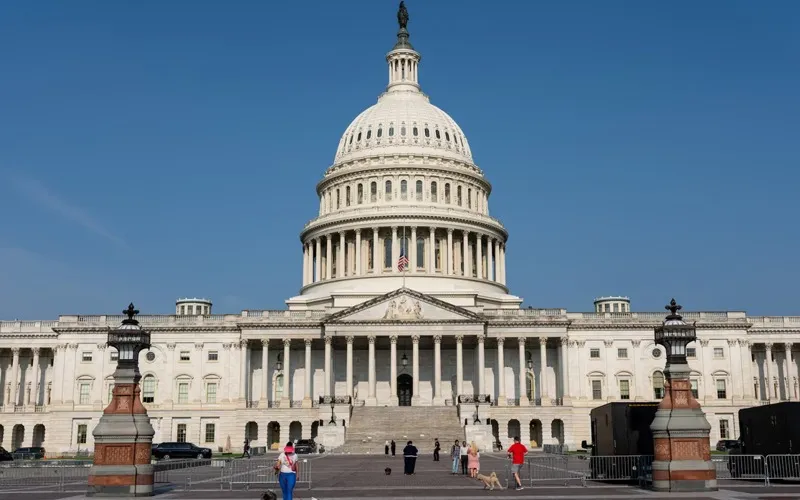
The US House of Representatives has passed a $1.15 trillion defence policy bill, despite opposition from Democrats over its cost and foreign policy implications. The bill authorises funding for military operations, defence modernisation, and service member benefits.
Imagine the US government is like a big team that needs to protect its country and its people. The defence policy bill is like a big plan that the team comes up with to make sure they have the right tools and resources to do their job. This year's bill is special because it includes a lot of money to buy new tools and equipment, but it also includes some provisions that could make the team's job harder, like continuing to fight in a war in Iran and expanding the team's partnership with Israel.
Analysis
A Record Defence Budget Sparks Debate
The US House of Representatives has narrowly passed a $1.15 trillion defence policy bill, despite strong opposition from Democrats over its record military spending and foreign policy implications. The bill, which authorises funding for military operations, defence modernisation, and service member benefits, has been a cornerstone of US defence policy for decades. However, this year's bill has been made more contentious by the inclusion of provisions that would expand defence cooperation with Israel and continue US military involvement in Iran.
The Iran Conflict: A Growing Concern
The ongoing conflict in Iran has been a major point of contention in the US defence policy bill. The Pentagon estimates that the US has spent $37.5 billion on military operations in Iran, a figure that has sparked concerns among Democrats about the cost and effectiveness of the US military presence in the region. The bill's passage has been seen as a victory for Republicans, who have long argued that a strong military presence is necessary to protect US interests in the region.
The Israel Factor: A Growing Alliance
The bill's expansion of defence cooperation with Israel has also been a major point of contention. The provision, which would significantly increase military technology cooperation between the two countries, has been seen as a major victory for Israel and a significant escalation of the US-Israel alliance. However, Democrats have expressed concerns about the implications of this provision, arguing that it could further destabilise the region and create new tensions with Iran.
The Road Ahead: A Complex Path to Passage
The passage of this defence policy bill has significant implications for US foreign policy, particularly in regards to the ongoing conflict in Iran and the country's relationship with Israel. The bill's path to passage is complex, with the Senate's version of the bill still pending and the House and Senate must now reconcile their separate versions of the NDAA before a final bill can be approved by both chambers and sent to President Donald Trump for signing or veto.
Key points
- The US House of Representatives has passed a $1.15 trillion defence policy bill, despite opposition from Democrats over its cost and foreign policy implications.
- The bill authorises funding for military operations, defence modernisation, and service member benefits, including pay raises of up to 7%.
- The bill includes provisions that would expand defence cooperation with Israel and continue US military involvement in Iran.
- The passage of this defence policy bill has significant implications for US foreign policy, particularly in regards to the ongoing conflict in Iran and the country's relationship with Israel.
If this development plays out positively, it could lead to a more stable and secure region, with the US and its allies working together to address common threats and challenges. The expanded defence cooperation with Israel could also lead to new opportunities for cooperation and collaboration in areas like technology and cybersecurity.
However, the passage of this defence policy bill also raises concerns about the potential for further escalation and destabilisation in the region. The continued US military involvement in Iran could lead to more violence and suffering for innocent civilians, while the expanded defence cooperation with Israel could create new tensions with Iran and other regional actors.