US Imposes New Tariffs on Dozens of Major Trading Partners
The US has imposed new tariffs on dozens of its major trading partners, including the UK, China, and the EU. The tariffs, ranging from 10 to 12.5%, will affect almost all US imports. The move is seen as a continuation of the trade war initiated by President Donald Trump.
Intelligence analysis by Llama
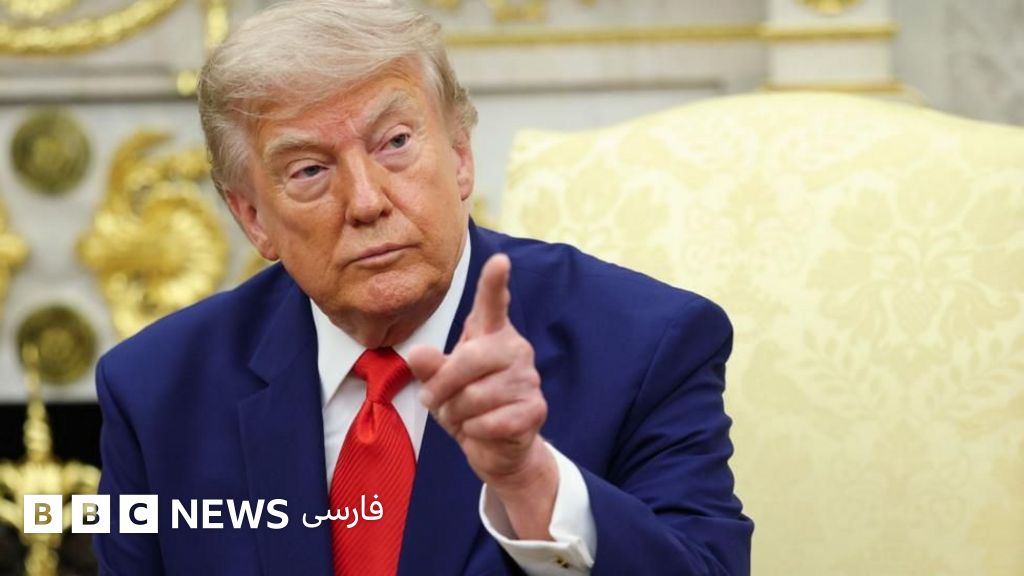
The US has imposed new tariffs on dozens of its major trading partners, including the UK, China, and the EU, in a move seen as a continuation of the trade war initiated by President Donald Trump. The tariffs, ranging from 10 to 12.5%, will affect almost all US imports.
The US has imposed new tariffs on dozens of its major trading partners, including the UK, China, and the EU. This means that the US will charge higher taxes on goods imported from these countries. The move is seen as a continuation of the trade war initiated by President Donald Trump. The tariffs will affect almost all US imports, making it one of the most comprehensive trade policies in recent history.
Analysis
A New Chapter in the US-China Trade War
The US has imposed new tariffs on dozens of its major trading partners, including the UK, China, and the EU, in a move seen as a continuation of the trade war initiated by President Donald Trump. The tariffs, ranging from 10 to 12.5%, will affect almost all US imports, making it one of the most comprehensive trade policies in recent history.
The move is seen as a challenge to the EU's trade policies and a test of the UK's ability to navigate the complex world of international trade. The UK, which has been trying to establish itself as a major player in the global economy, is particularly vulnerable to the new tariffs, as it relies heavily on US imports.
The new tariffs are also seen as a continuation of the trade war initiated by President Trump, who has been using tariffs as a tool to pressure other countries to change their trade policies. The move is likely to have significant implications for the global economy, particularly for countries that rely heavily on US imports.
The Impact on the Global Economy
The new tariffs will have significant implications for the global economy, particularly for countries that rely heavily on US imports. The move is likely to lead to higher prices for consumers, reduced economic growth, and increased unemployment. The tariffs will also make it more difficult for countries to export goods to the US, which could lead to a decline in global trade.
The UK's Response
The UK is likely to be one of the countries most affected by the new tariffs. The country relies heavily on US imports, particularly in the automotive and aerospace sectors. The UK government has been trying to establish itself as a major player in the global economy, but the new tariffs will make it more difficult for the country to achieve its goals.
The EU's Response
The EU is also likely to be affected by the new tariffs, as many of its member states rely heavily on US imports. The EU has been trying to establish itself as a major player in the global economy, but the new tariffs will make it more difficult for the EU to achieve its goals.
Key points
- The US has imposed new tariffs on dozens of its major trading partners, including the UK, China, and the EU.
- The tariffs, ranging from 10 to 12.5%, will affect almost all US imports.
- The move is seen as a continuation of the trade war initiated by President Donald Trump.
- The new tariffs will have significant implications for the global economy, particularly for countries that rely heavily on US imports.
- The UK and EU are likely to be among the countries most affected by the new tariffs.
The new tariffs may lead to a decline in global trade, but they could also lead to a shift in the global economy towards more sustainable and equitable trade practices. The US may also use the tariffs as a bargaining chip to negotiate better trade deals with other countries.
The new tariffs will likely lead to higher prices for consumers, reduced economic growth, and increased unemployment. The tariffs will also make it more difficult for countries to export goods to the US, which could lead to a decline in global trade.