US Imposes Tariffs on Drones to Target China
The US government has imposed tariffs of up to 100% on drones and their components to reduce dependence on Chinese imports. This move is part of a broader effort to promote domestic production and reduce reliance on foreign supply chains.
Intelligence analysis by Llama
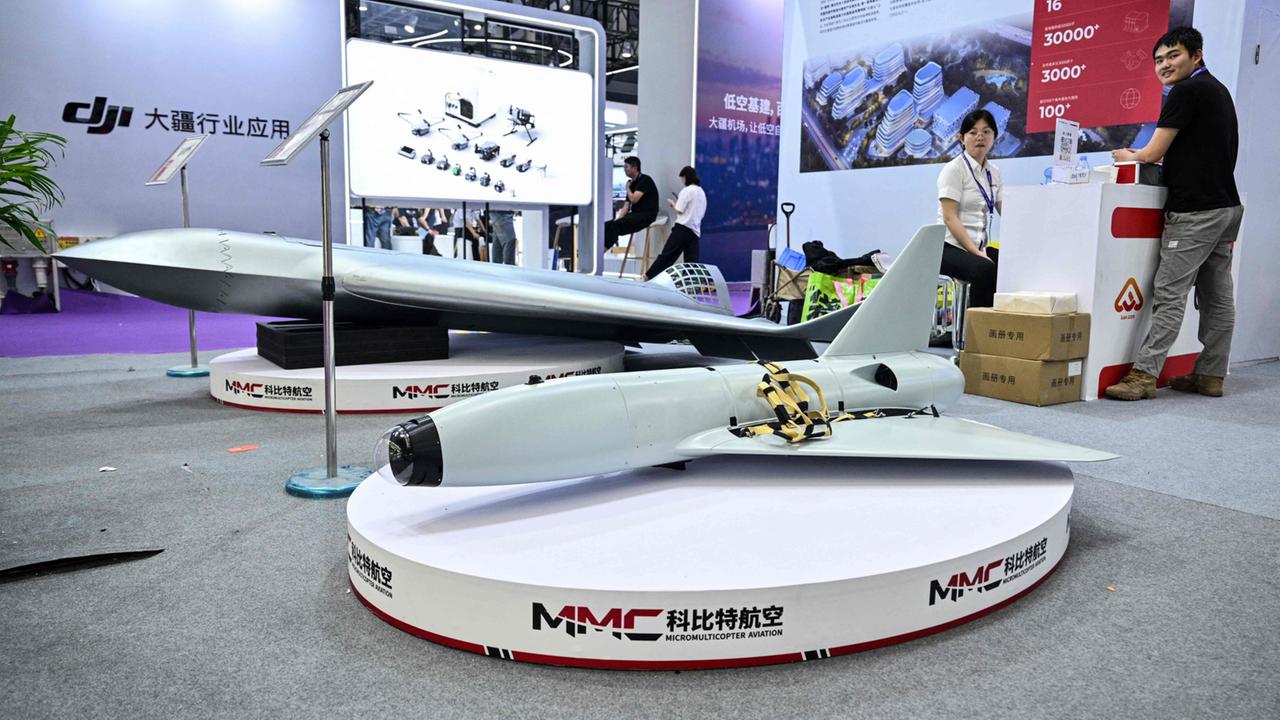
The US has imposed tariffs on drones and their components to reduce dependence on Chinese imports. This move is aimed at promoting domestic production and reducing reliance on foreign supply chains. The tariffs will apply to drones with a maximum takeoff weight of over 25 kg and those with thermal imaging cameras.
Imagine you're building a toy car, and you need a special part that's only made in China. The US government is saying, 'We want to make that part here in the US, so we're going to charge a higher price for it if it's made in China.' This is to help US companies make the part here and reduce our reliance on Chinese imports.
Analysis
Tariff Imposition and Its Implications
The US government has imposed tariffs of up to 100% on drones and their components to reduce dependence on Chinese imports. This move is part of a broader effort to promote domestic production and reduce reliance on foreign supply chains. The tariffs will apply to drones with a maximum takeoff weight of over 25 kg and those with thermal imaging cameras. The imposition of tariffs is a significant development in the ongoing trade tensions between the US and China. The US government has been taking steps to reduce its dependence on Chinese imports, and this move is a part of that effort.
Impact on the Drone Industry
The imposition of tariffs on drones and their components will have a significant impact on the global drone industry. The tariffs will increase the cost of importing drones and their components, making it more expensive for companies to operate in the US. This may lead to a shift in supply chains, with companies looking to source their components from other countries. The tariffs will also make it more difficult for Chinese companies to export drones and their components to the US, which may lead to a decline in exports.
Promotion of Domestic Production
The US government's move to impose tariffs on drones and their components is aimed at promoting domestic production. The government wants to encourage companies to produce drones and their components in the US, rather than relying on imports. This is part of a broader effort to promote domestic manufacturing and reduce reliance on foreign supply chains. The tariffs will provide a financial incentive for companies to invest in domestic production, which may lead to an increase in domestic production and a reduction in imports.
Key points
- The US government has imposed tariffs of up to 100% on drones and their components to reduce dependence on Chinese imports.
- The tariffs will apply to drones with a maximum takeoff weight of over 25 kg and those with thermal imaging cameras.
- The move is aimed at promoting domestic production and reducing reliance on foreign supply chains.
- The tariffs may lead to a shift in supply chains and a decline in exports from Chinese companies.
- The development has implications for the global drone industry and may lead to an increase in domestic production.
If this development plays out positively, it could lead to an increase in domestic production of drones and their components. This would reduce the US's reliance on Chinese imports and promote economic growth. Additionally, the tariffs may lead to the development of new technologies and innovations in the drone industry.
However, the imposition of tariffs on drones and their components may also lead to a decline in exports from Chinese companies. This could have a negative impact on the global economy and lead to a trade war between the US and China. Furthermore, the tariffs may increase the cost of importing drones and their components, making it more difficult for companies to operate in the US.