US inflation surges to three-year high of 4.2%
US inflation rose to 4.2% in May, its fastest pace in three years, driven mainly by energy costs and higher travel and care prices.
Intelligence analysis by GPT-5.4 Mini
Consumer prices kept climbing for a third straight month, with energy doing much of the damage after oil and fuel costs jumped. The report increases pressure on the Federal Reserve as it weighs whether to keep rates steady or tighten policy further.
Prices in the US went up a lot in May, like a store changing the price tags on many things at once. Gas and other energy costs were a big reason, so families may feel like their money buys less at the pump and in everyday bills.
Analysis
What happened
US prices rose 4.2% in May compared with a year earlier, up from 3.8% the month before, according to the Bureau of Labor Statistics. That was the fastest annual inflation rate in three years and the third straight monthly increase in the Consumer Price Index.
What is driving it
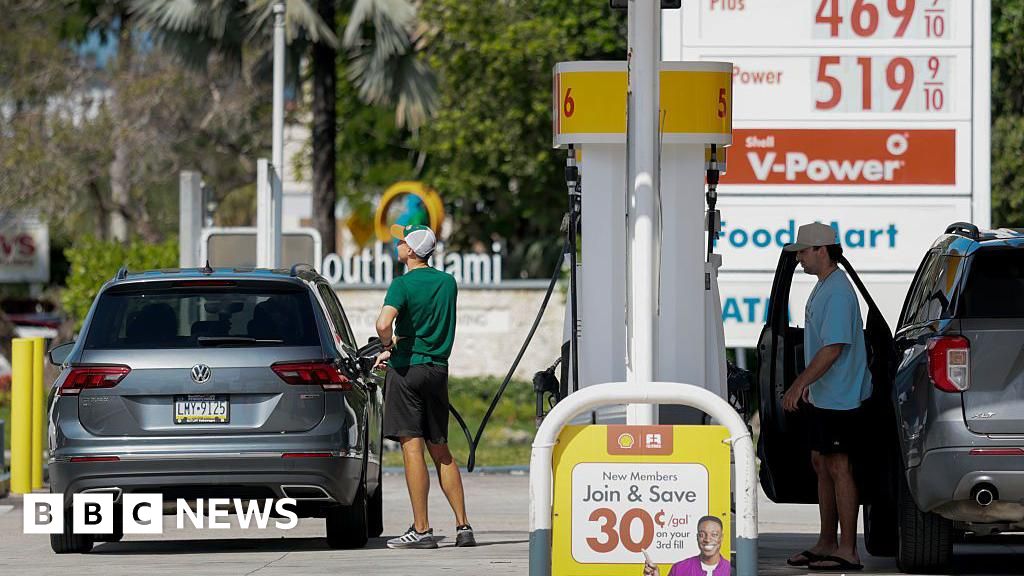
The biggest pressure came from energy. The article says overall energy bills, including gas and electricity, were nearly a quarter higher than a year earlier, with petrol accounting for much of the jump. BBC also points to higher plane tickets, personal and medical care, recreation, and communication costs.
The report links part of the surge to the US and Israel's war in Iran. Separate AAA figures cited in the piece show the average US price of regular petrol at $4.15 a gallon, up sharply from $2.98 on February 28, the day President Donald Trump launched strikes on Iran. The article says Iran has effectively shut the Strait of Hormuz, a critical shipping route for oil and gas.
Policy pressure
The Federal Reserve targets 2% inflation, so a reading this far above target keeps pressure on policymakers. The BBC says economists expect rates to stay in the current 3.5% to 3.75% range next month, but further evidence of persistent inflation could push the Fed toward higher rates. One economist quoted in the article said the data alone may not be enough to justify a hike, while another argued a hike is the most logical conclusion when combined with strong jobs data.
Political context
The jump is also awkward for Trump and Republicans ahead of the midterms. The article says Trump had promised to make inflation a central issue in the 2024 campaign, but is now facing higher prices tied to the conflict and energy shock.
Key points
- US inflation rose to 4.2% in May, the highest level in three years.
- Energy costs were the main driver, with petrol prices rising sharply.
- The article links some of the pressure to the war involving Iran and disruptions around the Strait of Hormuz.
- Higher inflation raises the chance of tighter Federal Reserve policy.
- The report adds political pressure on Trump and Republicans before the midterms.
If energy prices cool and shipping through the Strait of Hormuz improves, inflation could ease back from this spike. That would give the Federal Reserve more room to keep rates steady and avoid making loans and mortgages even more expensive.
If the conflict keeps oil and fuel prices high, inflation could stay elevated for longer than expected. That would increase pressure on the Fed to raise rates, which could slow spending and make borrowing costlier for households and businesses.