US, Iran trade attacks in return to full-blown war
The United States and Iran traded attacks on Friday, with Tehran targeting American assets across the Middle East in the biggest escalation since the two foes returned to outright war.
Intelligence analysis by Llama
The US and Iran have traded attacks, with Iran targeting American assets across the Middle East in the biggest escalation since the two foes returned to outright war. The conflict began in February and has seen multiple rounds of fighting, with the latest escalation coming a month after the signing of a preliminary deal aimed at ending the conflict.
The US and Iran are fighting over a key shipping route called the Strait of Hormuz. The US wants to stop Iran from controlling this route, while Iran wants to keep control. This fight has been going on for a while and has caused a lot of damage and injuries.
Analysis
A $60B Vote of Confidence
The United States and Iran have traded attacks on Friday, with Tehran targeting American assets across the Middle East in the biggest escalation since the two foes returned to outright war. The conflict began in February and has seen multiple rounds of fighting, with the latest escalation coming a month after the signing of a preliminary deal aimed at ending the conflict.
The rekindled fighting over the vital Strait of Hormuz has rekindled the war, with Tehran and Washington trading fire for six days running. Iran's health ministry said Friday that at least 38 people had been killed and more than 400 injured in the country since fighting resumed. Tehran claims control over Hormuz, a key shipping route for the global oil and gas trade that was open for free passage before the war.
Mediators have attempted to bring both sides back to the negotiating table. China and Pakistan's foreign ministers called Friday for the US and Iran to stop fighting and resume talks, according to a statement following a meeting in Shanghai. As part of the wider escalation, the United States has also reimposed its blockade of Iran's ports.
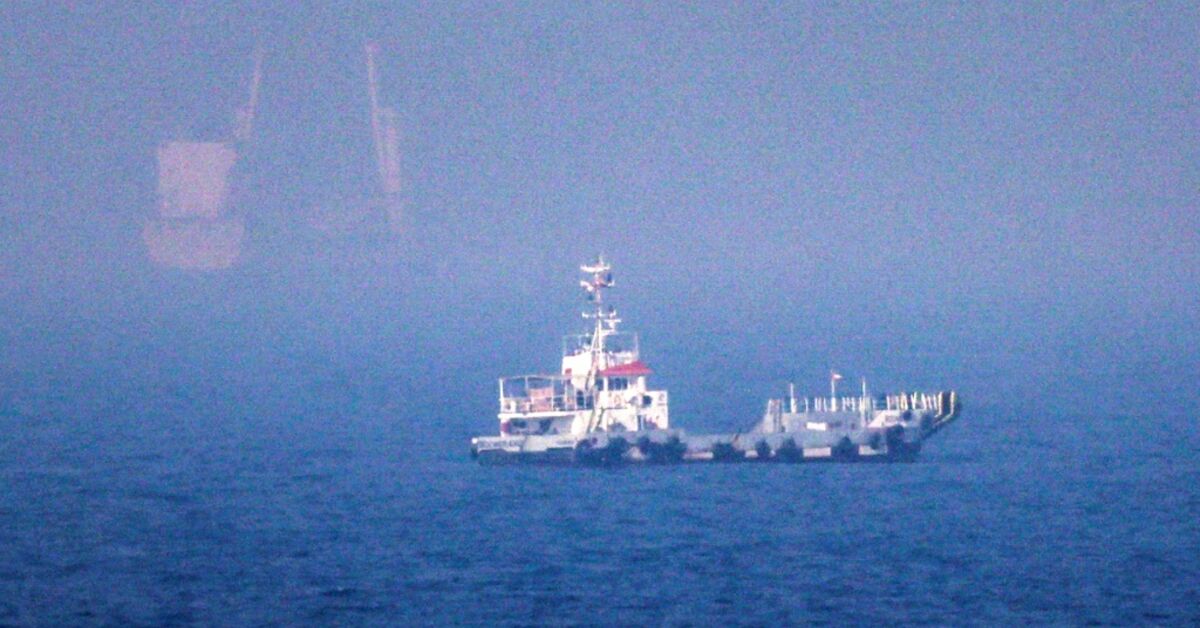
A senior Iranian military spokesman called for the US to withdraw from the region, saying "we will never back down over the Strait of Hormuz", state TV reported. Attacks on ships in the waterway have continued, with the UK Maritime Trade Operations agency on Friday saying a tanker was struck by a projectile off the coast of Oman overnight.
Hamidreza Azizi, a visiting fellow at the German Institute for International and Security Affairs, said that in the latest round of fighting, Washington's "apparent objective is more specific: to weaken and ultimately remove Iran's control over the Strait of Hormuz". "The United States is therefore pursuing a hybrid approach that combines limited but intensive military action with efforts to generate sustained economic pressure" in hopes of forcing Iran to accept a new deal, he added.
Iran's top negotiator Mohammad Bagher Ghalibaf has warned that any deal to end the war "only has meaning when its clauses are valid and being implemented". White House Press Secretary Karoline Leavitt told reporters on Thursday that Trump would hold Iran "accountable" for going back on its word, but said "he is always open to diplomacy at the very same time".
Key points
- The US and Iran have traded attacks, with Iran targeting American assets across the Middle East in the biggest escalation since the two foes returned to outright war.
- The conflict began in February and has seen multiple rounds of fighting, with the latest escalation coming a month after the signing of a preliminary deal aimed at ending the conflict.
- The rekindled fighting over the vital Strait of Hormuz has rekindled the war, with Tehran and Washington trading fire for six days running.
- Iran's health ministry said Friday that at least 38 people had been killed and more than 400 injured in the country since fighting resumed.
- Tehran claims control over Hormuz, a key shipping route for the global oil and gas trade that was open for free passage before the war.
The US and Iran may be able to come to a new deal that ends the conflict and allows for free passage of ships through the Strait of Hormuz. This would be a positive development for the global economy and for the people of the Middle East.
The conflict between the US and Iran could escalate further, leading to more damage and injuries. This could also have a negative impact on the global economy and on the people of the Middle East.