US, Iran trade strikes despite visas for World Cup footballers
US-Iran tensions flared again as strikes hit around the Strait of Hormuz, even as Iran's football team received World Cup visas.
Intelligence analysis by GPT-5.4 Mini
The article pairs a renewed military exchange between the US and Iran with a separate diplomatic track that allowed Iran's national team to travel for the World Cup. It shows how fragile the ceasefire remains while talks, Gulf security, and energy routes stay under pressure.
It is like two big arguments happening at once: one with rockets and drones near a very important water road, and another where soccer players are still allowed to travel. The article says the fighting could spread, but the World Cup trip shows not every door is shut.
Analysis
Escalation and fragile truce
The story describes a ceasefire that has held since April 8 after US and Israeli strikes on Iran, but says it is now under renewed strain. On Friday, the US military said it struck radar sites in Iran after downing drones moving toward the Strait of Hormuz. Iran's Revolutionary Guards then said they launched missiles at what they called enemy bases in the area, while CENTCOM said seven ballistic missiles were fired toward Kuwait and Bahrain and most were intercepted.
Gulf spillover and maritime risk
The article places the confrontation in a wider regional frame. Air raid sirens sounded in Kuwait and Bahrain, and Kuwait's military said it was responding to hostile missile and drone attacks. CENTCOM said the drones posed an immediate threat to regional maritime traffic, which underscores why the Strait of Hormuz remains central to the dispute. The article also notes that the conflict has rattled global markets and added political pressure on Trump at home.
Diplomacy and football in the same week
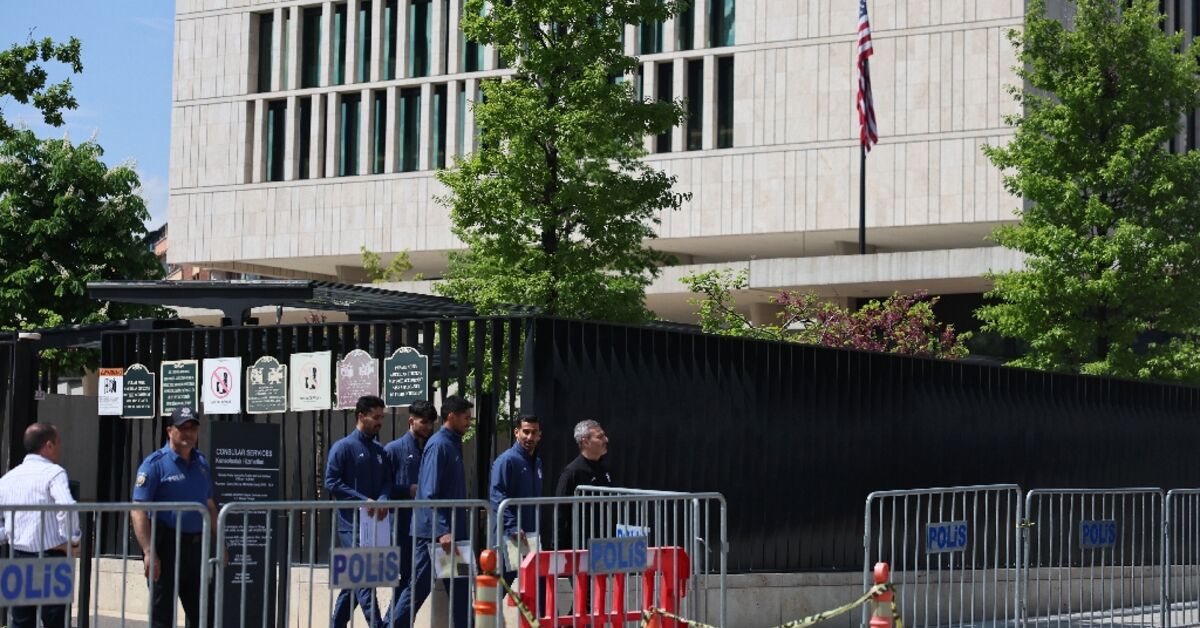
Even as missiles were exchanged, the US moved ahead with visas for Iran's national football team for the World Cup it will co-host with Canada and Mexico. US Ambassador to Turkey Tom Barrack said sports crosses borders, while an unnamed US official warned that the system would not be abused to bring terrorists into the United States. The article says some technical and executive staff still had not received visas.
Lebanon adds another layer
The piece closes by showing how Lebanon is pulled into the wider conflict. Lebanese Prime Minister Nawaf Salam urged Iran to stop treating Lebanon as a bargaining chip, while Iran's foreign minister pushed back and said Lebanon should be saved from its real foe. The article presents the war in Lebanon and the Gulf as linked in Iran's negotiations with Washington.
Key points
- US and Iranian forces exchanged strikes again as tensions around the Strait of Hormuz rose.
- CENTCOM said it downed drones and missiles, while Iran said it hit enemy bases in response.
- The flare-up threatened an already fragile ceasefire that has been in place since April 8.
- The US still issued visas for Iran's World Cup team, creating a sharp contrast with the military crisis.
- Lebanon also remained entangled in the wider conflict, with officials urging Iran to stop interfering.
If the ceasefire holds, the talks could keep moving even after this flare-up, and the World Cup travel can still go ahead. The article also shows that some limited channels between Washington and Tehran remain open, even during conflict.
If the strikes keep trading back and forth, the ceasefire could unravel and put Gulf states closer to the crossfire. The article also suggests the negotiations remain stuck, with risks to maritime traffic, regional markets, and Lebanon's already fragile position.