U.S.-Iran war appears to pause as Trump gives space for talks to end Strait of Hormuz standoff
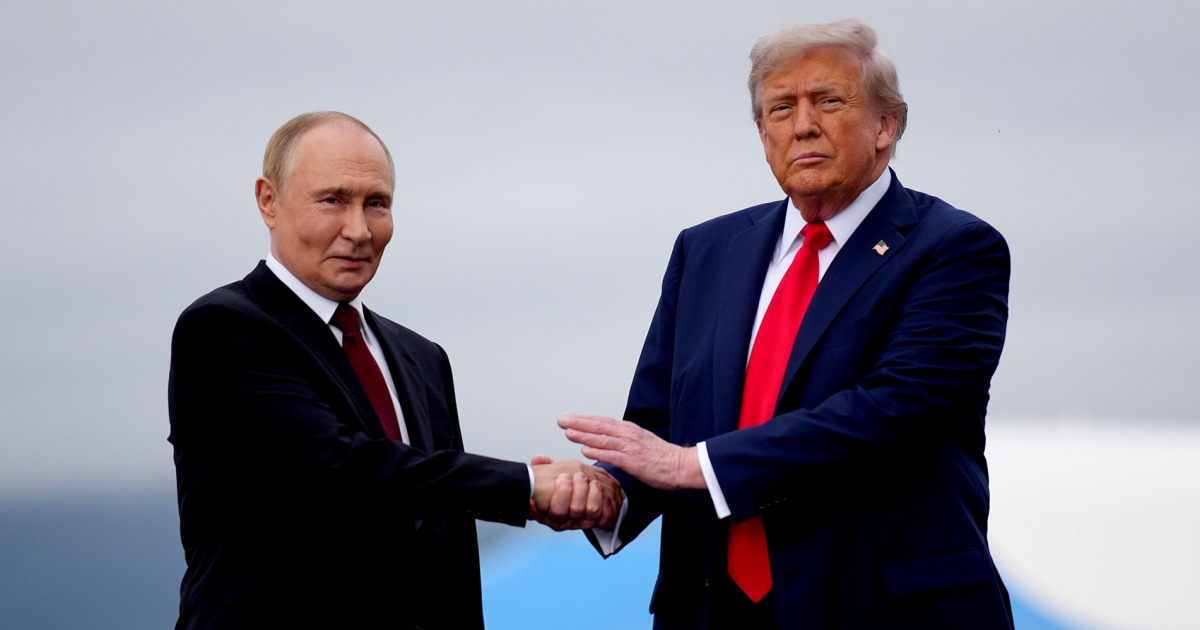
The U.S.-Iran war appears to be pausing as President Trump gives space for talks to end the Strait of Hormuz standoff. Iran has insisted it still controls the vital waterway, but the U.S. has moved more military assets into the region.
Intelligence analysis by Llama
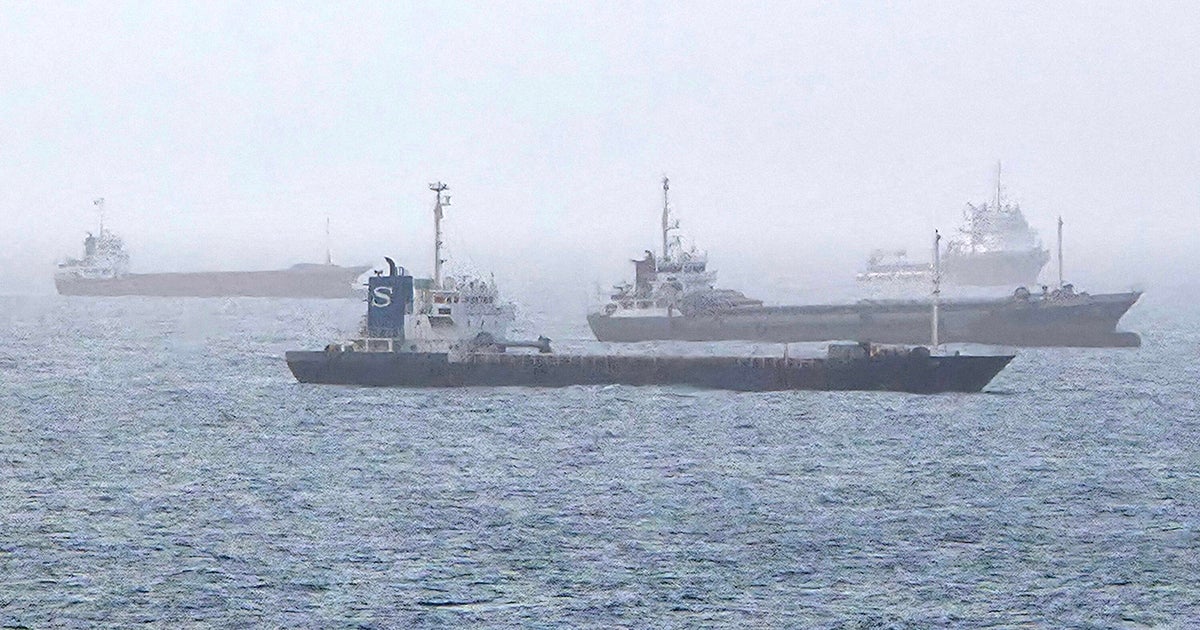
The U.S. and Iran are engaged in talks to end the Strait of Hormuz standoff, with Iran insisting it still controls the vital waterway. The U.S. has moved more military assets into the region, but the fighting has paused.
Imagine you're playing a game of chess with your friend. You're both trying to outmaneuver each other, but then you decide to take a break and talk things over. That's kind of what's happening with the U.S. and Iran right now. They're not fighting as much, and they're talking about how to end the conflict. It's a bit like a pause in the game, and it's not clear what will happen next.
Analysis
A Pause in the Fighting
The U.S.-Iran war has been raging for 150 days, with both sides trading blows in the Strait of Hormuz. But in a surprise move, President Trump has given space for talks to end the standoff, and it appears that the fighting has paused. Iran has insisted that it still controls the vital waterway, but the U.S. has moved more military assets into the region. The pause in fighting has sent oil prices plummeting, with Brent crude dropping 6.8% to $85.49 and U.S. benchmark crude dropping 7% to $83.06 per barrel. The markets are breathing a sigh of relief, but it's unclear what the long-term consequences will be. The U.S. and Iran are engaged in talks to end the standoff, but it's unclear what the terms of the agreement will be. Iran has insisted that it will not back down on its demands, and the U.S. has vowed to continue its military campaign. The situation is complex and volatile, and it's unclear what the outcome will be.
The Role of Oman
Oman has been playing a key role in the talks between the U.S. and Iran. The country has been mediating between the two sides, and it appears that it has been successful in getting them to agree to a pause in the fighting. Oman has a long history of diplomacy in the region, and it's not surprising that it's been called in to help resolve the standoff. The country has a reputation for being neutral and impartial, and it's likely that it will continue to play a key role in the talks.
The Implications of the Pause
The pause in fighting has significant implications for global oil markets and the stability of the Middle East. The Strait of Hormuz is a critical waterway, and any disruption to it can have far-reaching consequences. The U.S. and Iran have been engaged in a proxy war in the region, with the U.S. supporting Saudi Arabia and Iran supporting its allies in the region. The pause in fighting could be a positive development, but it's unclear what the long-term consequences will be. The U.S. and Iran are still engaged in a war of words, and it's unclear what the outcome will be. The situation is complex and volatile, and it's unclear what the outcome will be.
Key points
- The U.S.-Iran war appears to be pausing as President Trump gives space for talks to end the Strait of Hormuz standoff.
- Iran has insisted it still controls the vital waterway, but the U.S. has moved more military assets into the region.
- The pause in fighting has sent oil prices plummeting, with Brent crude dropping 6.8% to $85.49 and U.S. benchmark crude dropping 7% to $83.06 per barrel.
- The U.S. and Iran are engaged in talks to end the standoff, but it's unclear what the terms of the agreement will be.
- Oman has been playing a key role in the talks between the U.S. and Iran, and it appears that it has been successful in getting them to agree to a pause in the fighting.
The pause in fighting could be a positive development, as it gives the U.S. and Iran a chance to talk things over and find a resolution. If they can come to an agreement, it could lead to a decrease in tensions and a more stable region. However, it's unclear what the terms of the agreement will be, and it's possible that the U.S. and Iran may not be able to come to an agreement.
The pause in fighting could be a temporary reprieve, but it's unclear what the long-term consequences will be. The U.S. and Iran are still engaged in a war of words, and it's possible that the conflict could escalate again. Additionally, the pause in fighting could be a sign that the U.S. and Iran are not taking the conflict seriously, and that they're not willing to make the necessary concessions to resolve the issue.