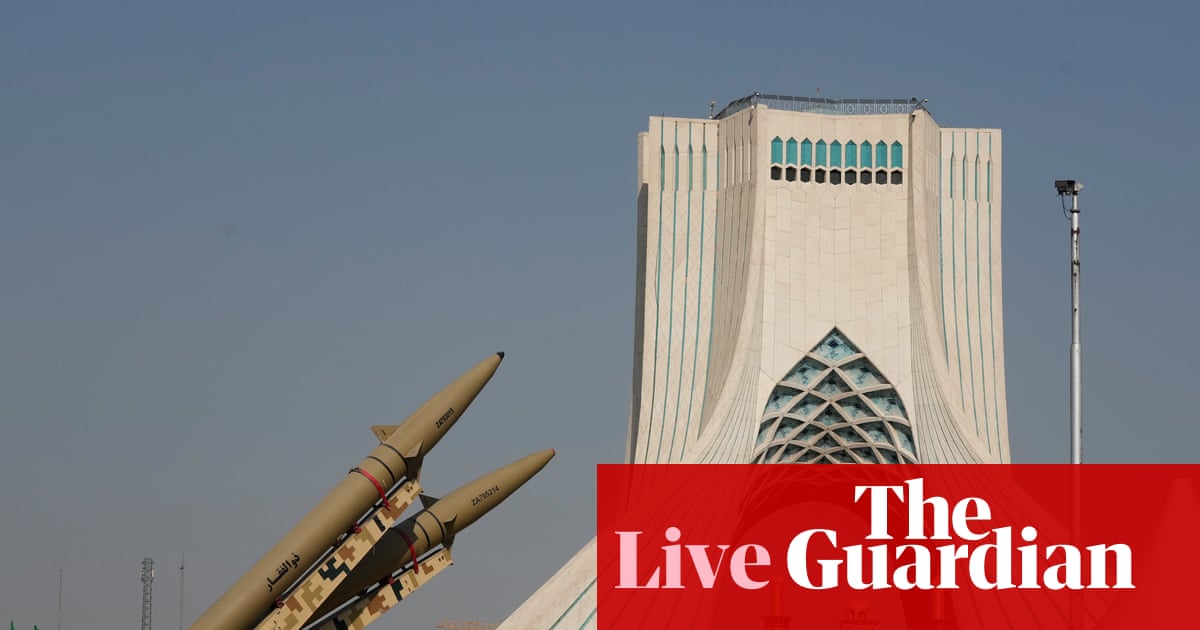
US launches 'heavy' strikes on Iran after attempted attack on American troops
US Central Command says it hit dozens of Iranian Revolutionary Guard Corps targets in retaliation for Tehran's attempted ballistic missile strikes on US bases in Jordan and ships in the Strait of Hormuz.
Intelligence analysis by Llama
The US carried out heavy strikes on IRGC targets after Iran attempted missile attacks on American forces in Jordan and the Strait of Hormuz, escalating a five-month war that briefly paused last week as diplomatic talks were floated. Saudi Arabia separately pressed Trump to de-escalate.
Imagine two kids on a playground who keep pushing each other. One pushes, the other pushes back harder, and now they're in a full wrestling match. The US hit Iran's military bases after Iran tried to hit American bases in another country, and both sides have been trading blows for months. A narrow strip of water where big oil ships travel is now also part of the fight, which is scary because the whole world uses that oil.
Analysis
The Strike-Reprisal Spiral
What looks like a single Wednesday of bombing is really the fourth turn in a tightening escalation loop. The US and Israel opened with strikes on Iran in February; the campaign paused last Friday after 13 consecutive nights of intensive bombing, during which "scores of people were reported to have died." Within days, Iran fired ballistic missiles at a US air base and command centre in Jordan, and IRGC naval forces struck three oil tankers in the Strait of Hormuz. The US response on Wednesday hit "dozens" of IRGC sites, from military command centres to coastal surveillance and maritime capabilities, in what Centcom called a "powerful response." Trump framed it bluntly: "We're going to be hitting them very hard because it's our turn to hit them." Each cycle widens the target set and shortens the decision time, which is exactly how regional wars become continental ones.
Saudi Arabia's De-escalation Push
The most under-reported element of the article is the back-channel from Riyadh. According to Axios, citing an unnamed US official, Saudi defence minister Prince Khalid bin Salman met Trump and "conveyed that Saudi Arabia wants to de-escalate tensions." That message sits awkwardly next to the very first publicly announced joint US-Saudi strikes on Iranian proxies in eastern Iraq, which the BBC frames as evidence the conflict is expanding. Saudi Arabia's interest is structural: it has spent decades positioning itself as the leading Sunni power against Shia Iran, and it is now paying the price of that rivalry through tanker risk in the Gulf and proxy entanglements on its northern border. The fact that Riyadh is publicly urging restraint while simultaneously co-striking IRGC-linked targets in Iraq suggests it is trying to have it both ways — bleeding the enemy while capping the bleeding.
The Strait of Hormuz Flashpoint
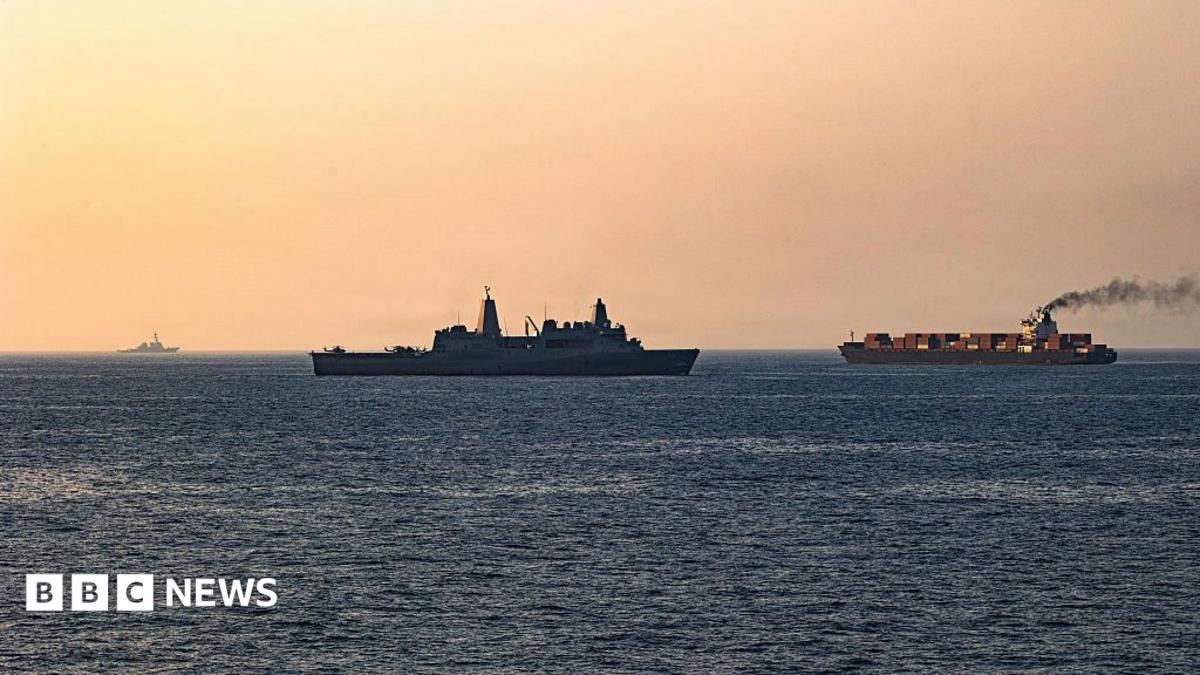
The most economically dangerous line in the article is the IRGC's claim that it struck three oil tankers in the Strait of Hormuz for sailing along an "unsafe and illegal route." Roughly a fifth of the world's seaborne oil transits that waterway, and even a credible threat to commercial shipping is enough to push insurance rates and freight costs sharply higher. Centcom said all of Iran's incoming missiles were intercepted, but it did not address the tanker attacks, and the Wednesday US strike list specifically included "maritime capabilities" and "coastal surveillance and defense sites." Tehran is signalling that any future negotiation must account for its ability to hold the Gulf's chokepoint at risk, and the US is signalling, through target selection, that it intends to deny that capability. The next escalation, if it comes, will almost certainly play out in these waters.
Key points
- Centcom says it hit 'dozens' of IRGC targets including command centres, missile and drone facilities, and coastal surveillance sites in a roughly one-hour operation
- The strikes were retaliation for Iran's attempted ballistic missile attack on a US air base and command centre in Jordan, and for IRGC naval strikes on three oil tankers in the Strait of Hormuz
- All incoming Iranian missiles were intercepted, according to Centcom
- The US and Saudi Arabia carried out their first publicly announced joint strikes on Iranian proxies in Iraq, killing at least 20 members of the Iran-backed PMF; Iraq condemned the bombings
- The conflict began with US-Israeli strikes on Iran in February and has now run five months, despite Trump's earlier prediction it would last only weeks
Saudi Arabia's reported push to de-escalate, combined with Trump's earlier suspension of the 13-night bombing campaign, suggests diplomatic off-ramps still exist. If Tehran and Washington can return to the talks both sides briefly referenced last week, the Wednesday strikes could function as a coercive ceiling rather than a launchpad for a wider ground conflict.
The Wednesday strikes widened the target list to include Iran's maritime capabilities at a moment when IRGC naval forces have already struck commercial tankers in the Strait of Hormuz. Repeated attack-and-reprisal cycles, joint US-Saudi operations in Iraq, and Iraq's condemnation of the strikes as a "violation of sovereignty" point toward a multi-front war that drags in Iraqi militias and disrupts Gulf energy traffic.
Market signals
- OIL IRGC attacks on three tankers in the Strait of Hormuz and US strikes on Iran's coastal and maritime capabilities create supply-route risk for a waterway carrying roughly a fifth of seaborne oil.
- XAU Renewed escalation in a five-month US-Iran war, including joint US-Saudi operations in Iraq, reinforces safe-haven demand for gold.
AI-generated analysis of potential market relevance. Not financial advice.