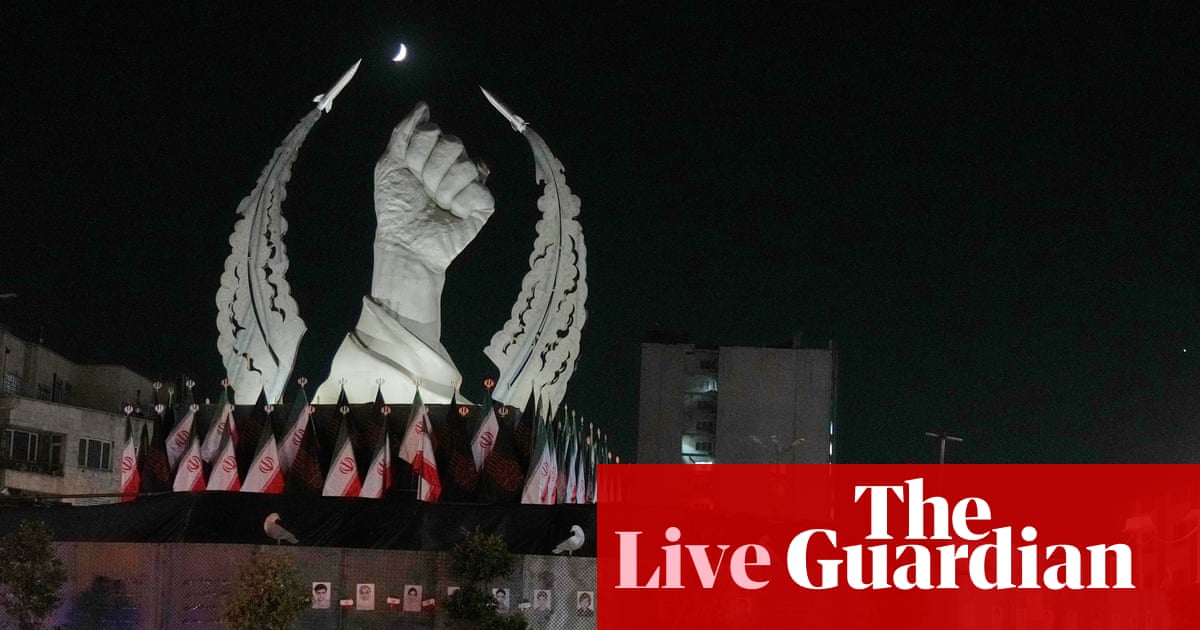
US launches ninth night of Iran strikes as strait of Hormuz standoff sees oil price pass $90 a barrel
The US launched a ninth night of strikes targeting Iran early Monday, after announcing the death of another American service member, as the price of Brent crude oil climbed above $90 a barrel.
Intelligence analysis by Llama
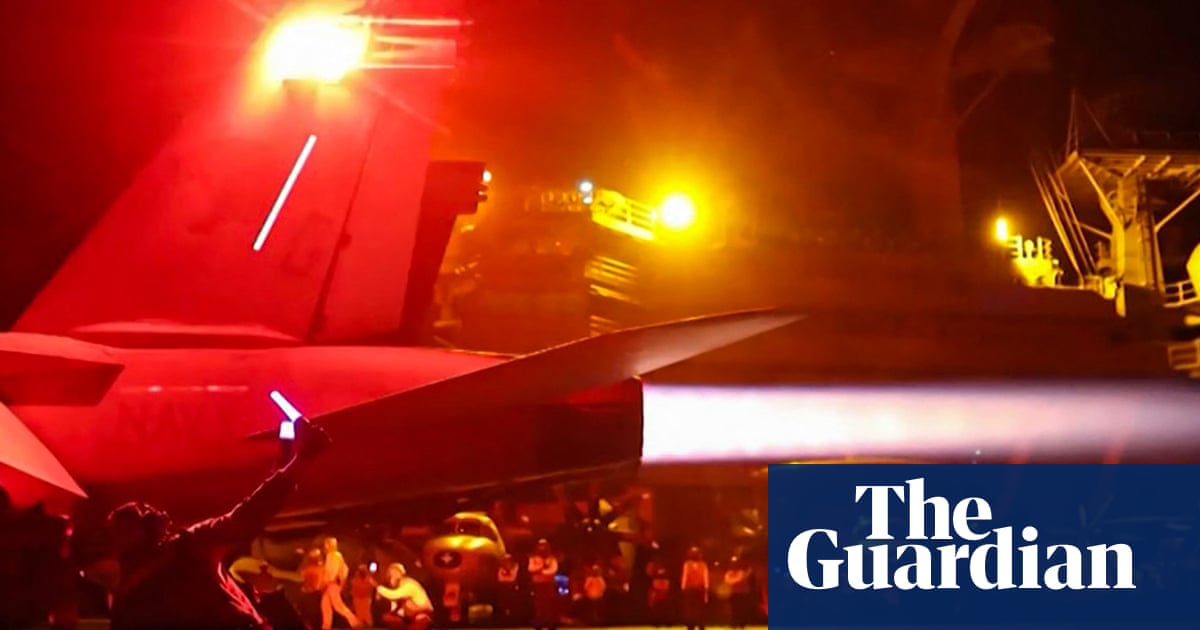
The US has launched a ninth night of strikes against Iran, with the price of oil reaching a new high. The strikes come after the death of another American service member, and as tensions between the US and Iran continue to escalate.
Imagine a big waterway called the strait of Hormuz that lots of oil ships use to get to other countries. The US and Iran are fighting over who gets to control this waterway, and it's causing a big problem for oil prices. The US is launching airstrikes against Iran to try to stop them from controlling the waterway, but Iran is fighting back.
Analysis
A $60B Vote of Confidence
The US has launched a ninth night of strikes against Iran, with the price of oil reaching a new high. The strikes come after the death of another American service member, and as tensions between the US and Iran continue to escalate. The US military has confirmed that a service member was killed in Iraq on Saturday, during a controlled detonation of what was called unexploded ordnance on a downed Iranian attack drone. This is the third US death in recent days, after two military service personnel were killed in an Iranian attack on a Jordanian airbase on Friday, with a third missing in action. Since the war began, 17 US service members have been killed.
Why Cursor?
The US and Iran have inched closer to all-out war as last month's interim deal meant to permanently end the fighting has crumbled and shipping traffic in the strait of Hormuz has largely stalled. The US and Iran have been at odds over the strait, with the US seeking to ensure the free flow of oil through the waterway. Iran has retaliated by hitting US-allied countries throughout the Middle East, with sirens heard in Bahrain early on Monday. The US embassy in the country warned: 'Iran may seek to target unspecified locations in central Manama', the capital, without elaborating.
The Road Ahead
The US is expected to send dozens of additional refuelling planes to Israel as part of a reinforcement of its force posture in the region, a US official told Reuters. Trump has threatened to target Iran's power stations and bridges to try to compel Tehran to loosen its hold on the strait of Hormuz, which saw one-fifth of global oil supplies transit before the war. Last week the US reimposed a naval blockade on Iranian ports to halt its shipments of crude oil. The military on Saturday said it had redirected six ships and disabled one since then.
Key points
- The US has launched a ninth night of strikes against Iran.
- The price of oil has reached a new high of $90 a barrel.
- The US and Iran are fighting over control of the strait of Hormuz.
- The conflict has significant implications for global oil prices and regional stability.
If the US and Iran can come to a peaceful agreement, it could help to reduce tensions in the region and allow oil to flow freely through the strait of Hormuz. This could lead to lower oil prices and a more stable global economy.
If the conflict between the US and Iran continues to escalate, it could lead to a significant increase in oil prices and a destabilization of the global economy. This could also lead to a wider conflict in the region, with potentially disastrous consequences.
Market signals
- Crude Oil The conflict between the US and Iran has led to a significant increase in oil prices, with the price of Brent crude oil climbing above $90 a barrel.
AI-generated analysis of potential market relevance. Not financial advice.