US launches strikes on Iran for a second day after Trump says agreement to end the war is ‘over’
The US military carried out strikes on Iran for a second day, hours after President Donald Trump said that an interim agreement to end the war was 'over'. The strikes targeted three locations across Iran, including the port city of Bandar Abbas, which had already been att…
Intelligence analysis by Llama
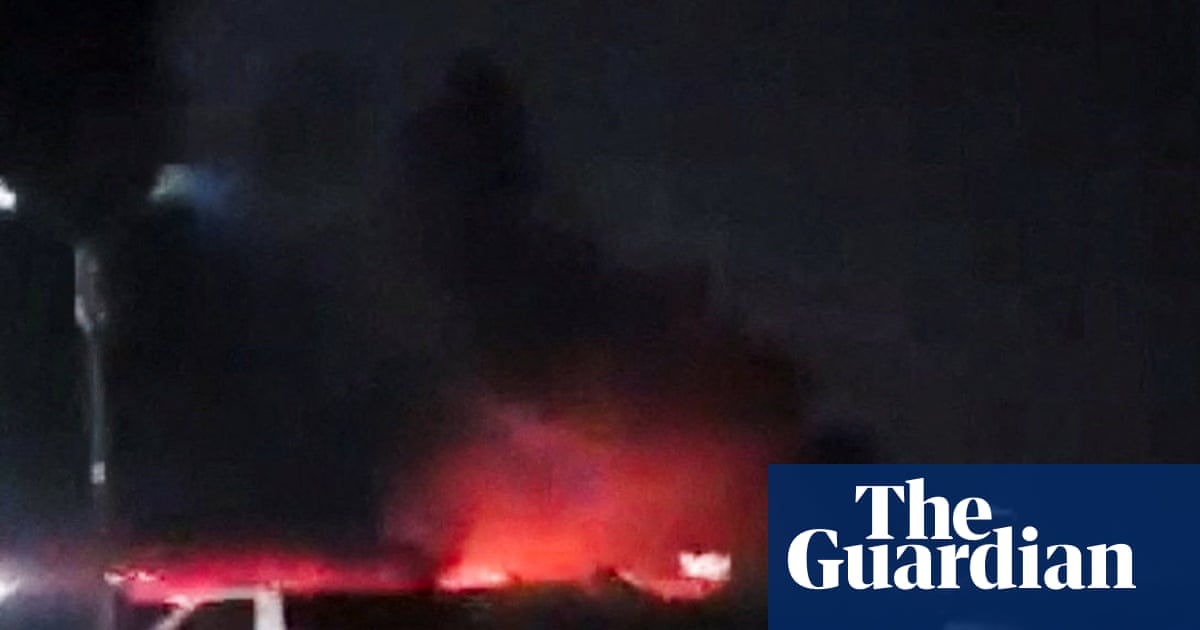
The US has launched a second wave of strikes on Iran, targeting three locations, including the port city of Bandar Abbas. The strikes come after President Trump said that an interim agreement to end the war was 'over'.
The US and Iran are fighting a war. The US has launched a second wave of strikes on Iran, targeting three locations. This is because Iran had attacked some ships in the ocean, and the US wants to stop it from happening again. The war is making oil prices go up, which is bad for many countries.
Analysis
A Second Wave of Strikes: Understanding the Escalation
The US military's decision to launch a second wave of strikes on Iran is a significant escalation of the conflict between the two nations. The strikes, which targeted three locations across Iran, including the port city of Bandar Abbas, come after President Donald Trump said that an interim agreement to end the war was 'over'.
The US has been at odds with Iran over its nuclear program and its support for militant groups in the region. The conflict has led to a significant increase in tensions between the two nations, with both sides engaging in a series of military strikes and counter-strikes.
The latest escalation of the conflict comes as Iran is preparing to bury its supreme leader, Ayatollah Ali Khamenei, in his hometown of Mashhad. The funeral ceremony, which has attracted millions of mourners across various cities in both Iran and Iraq, is a significant event in the country's history.
The US military's decision to launch a second wave of strikes on Iran is a clear indication of its commitment to maintaining its military presence in the region. The strikes, which were carried out in retaliation for Iran's targeting of several merchant vessels off the coast of Oman, are a significant escalation of the conflict between the two nations.
The Economic Impacts of the War
The conflict between the US and Iran has significant economic implications for the region. The escalation of the conflict has led to a significant increase in oil prices, with Brent crude jumping more than 5% to close to $80 a barrel. The economic impacts of the war are being felt across the region, with many countries struggling to cope with the increased costs of oil.
The US has been at the forefront of the conflict, with President Trump saying that the US would 'probably hit [Iran] hard again tonight'. The US military's decision to launch a second wave of strikes on Iran is a clear indication of its commitment to maintaining its military presence in the region.
The Road Ahead
The conflict between the US and Iran is a complex and multifaceted issue. The escalation of the conflict has significant implications for global oil prices and the stability of the region. The US military's decision to launch a second wave of strikes on Iran is a clear indication of its commitment to maintaining its military presence in the region.
The road ahead for the conflict between the US and Iran is uncertain. The US military's decision to launch a second wave of strikes on Iran is a significant escalation of the conflict, and it remains to be seen how the situation will unfold.
Key points
- The US military has launched a second wave of strikes on Iran, targeting three locations.
- The strikes come after President Trump said that an interim agreement to end the war was 'over'.
- The conflict between the US and Iran has significant economic implications for the region.
- The escalation of the conflict has led to a significant increase in oil prices.
- The US military's decision to launch a second wave of strikes on Iran is a clear indication of its commitment to maintaining its military presence in the region.
If the conflict between the US and Iran can be resolved through diplomacy, it could lead to a significant decrease in oil prices and a more stable region. However, the current escalation of the conflict makes this outcome uncertain.
The conflict between the US and Iran has the potential to lead to a significant increase in violence and instability in the region. If the conflict cannot be resolved through diplomacy, it could lead to a prolonged and bloody war.

