U.S. military bombs Iran for the tenth night in a row
The U.S. carried out another wave of strikes on Iran as fighting entered its tenth straight night. Iran also struck targets in Kuwait, and another tanker was hit near the Strait of Hormuz.
Intelligence analysis by GPT-5.4 Mini
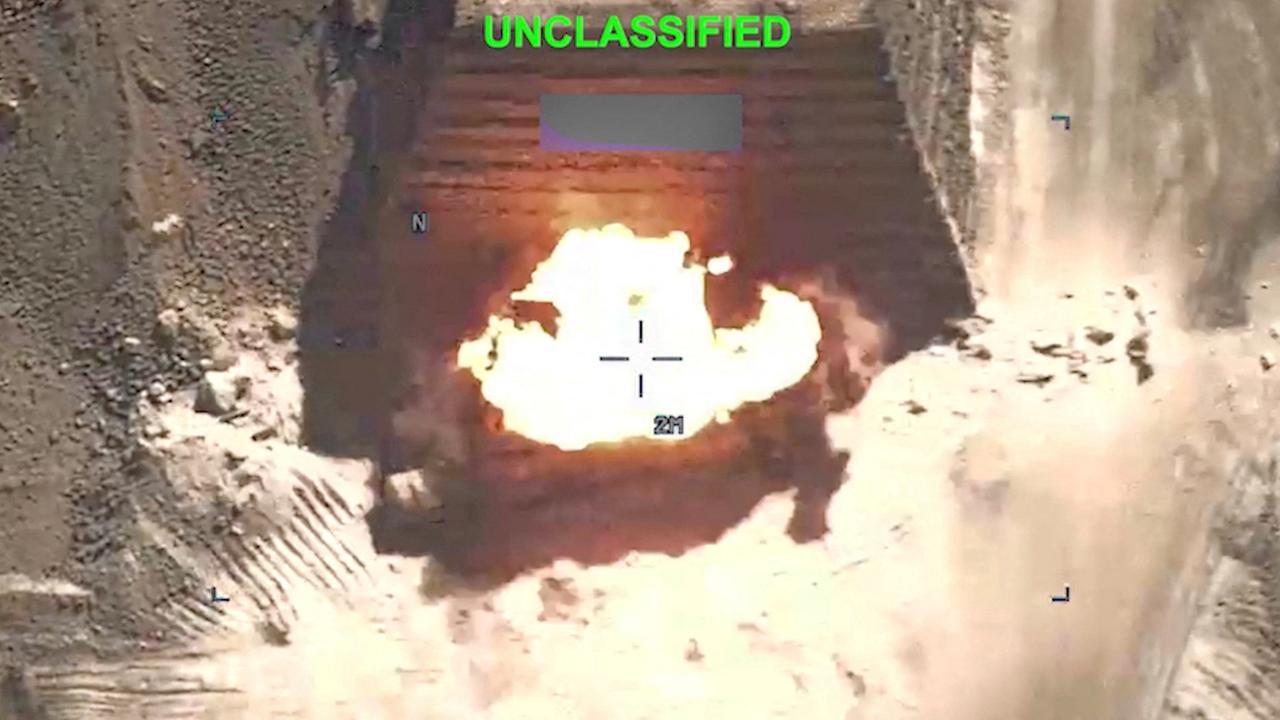
The article describes a widening cycle of strikes and retaliation between the U.S. and Iran, with the Strait of Hormuz emerging as a central pressure point. What began as military attacks is now spilling into shipping lanes and nearby states.
Two sides are trading blows, and the fight is spreading to a narrow sea lane that many ships use like a busy bridge. When that bridge gets dangerous, goods and fuel can become harder and more expensive to move.
Analysis
A conflict that is becoming self-sustaining
The article shows a pattern that is now repeating night after night: U.S. strikes on Iranian military infrastructure, followed by Iranian retaliation elsewhere in the region. That matters because it means the conflict is no longer a single exchange but a cycle with its own momentum.
The reported targets are also telling. The U.S. says it is trying to weaken Iran's ability to attack merchant shipping, while Iran frames its responses as attacks on U.S. or allied targets. Both sides are treating the other as a continuing threat, which makes de-escalation harder.
Hormuz is the real pressure point
The Strait of Hormuz is not just a local waterway in this story. It is the strategic choke point where attacks on ships quickly become a global problem, because disruption there can affect commerce well beyond Iran and the Gulf. The article underlines that by reporting repeated tanker attacks and warnings for ships to avoid certain routes.
That is why the conflict is widening even without a formal battlefield crossing borders in the traditional sense. Military strikes on land, retaliatory fire from Iran, and attacks on tankers are all parts of the same contest for control over movement through the strait.
Why Europe should care now
For Germany and the rest of Europe, the immediate concern is not sympathy politics but exposure. If shipping through Hormuz becomes more dangerous, energy transport and other trade routes can become more expensive and less reliable. That can feed into broader price pressure and supply uncertainty.
The article also suggests that diplomatic off-ramps are shrinking. The earlier framework agreement and temporary truce are effectively being overtaken by events, which means businesses and policymakers are left planning around instability rather than resolution.
Key points
- The U.S. launched another round of strikes on Iran, marking the tenth consecutive night of attacks.
- Iran responded by attacking targets in Kuwait and other locations in the region.
- A tanker was also hit near the Strait of Hormuz, adding a shipping risk to the military conflict.
- The U.S. says it is trying to reduce Iran's ability to attack merchant ships.
- The article presents the conflict as widening from military strikes into regional and trade security.
If the attacks force both sides back toward restraint, shipping through the Strait of Hormuz could become safer again. The article also notes earlier U.S.-Iran understandings, which suggests talks are not impossible if the violence eases.
If the cycle continues, attacks on ships and regional targets could spread further and make the conflict harder to contain. That would keep the Strait of Hormuz under pressure and raise the risk of wider disruption to trade and energy flows.
Market signals
- OIL Repeated attacks near the Strait of Hormuz raise the risk of disruption to oil shipping routes.
- XAU Escalating conflict and tanker attacks can increase demand for safe-haven assets.
AI-generated analysis of potential market relevance. Not financial advice.