US military says it completed latest strikes on Iran, marking 7th consecutive night of attacks
The US military said it completed its latest wave of strikes on Iran, marking a seventh consecutive night of American attacks. The strikes targeted surveillance sites, military logistics infrastructure, underground weapons storage, and maritime capabilities.
Intelligence analysis by Llama
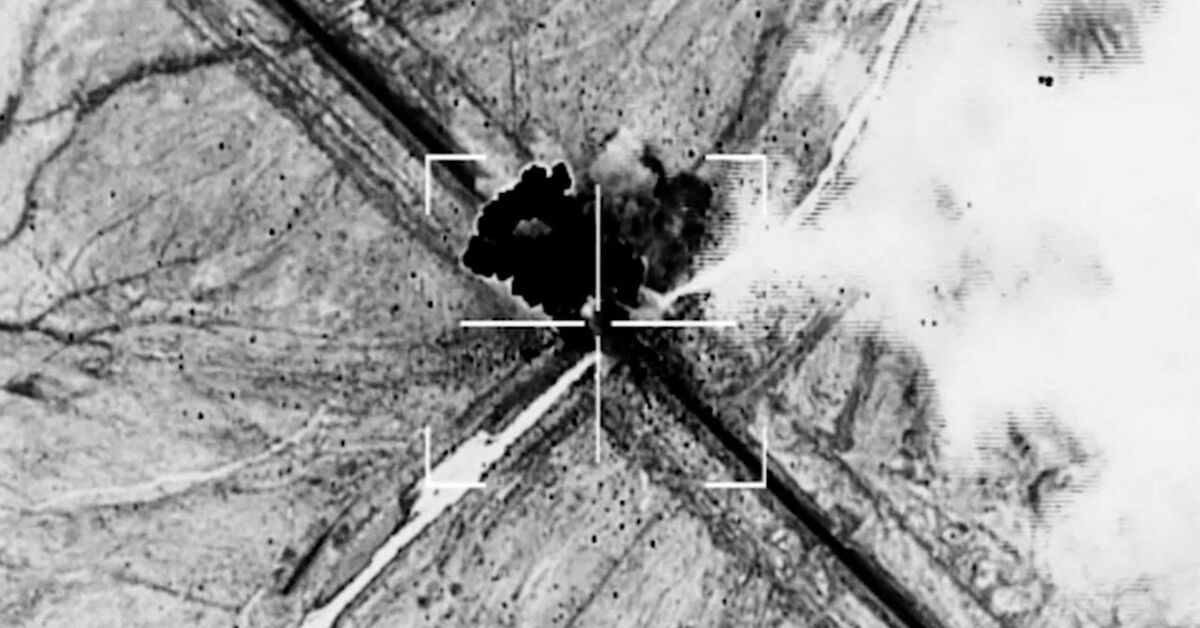
The US military has completed its latest wave of strikes on Iran, marking a seventh consecutive night of American attacks. The strikes targeted various Iranian military sites and infrastructure, leading to a response from Iran targeting US allies in the Gulf.
The US military has been attacking Iran for several nights, targeting military sites and infrastructure. Iran has responded by attacking US allies in the Gulf. The conflict has raised oil prices and shaken global markets, and has killed thousands and displaced millions. The US military's actions have been widely condemned, and the international community is closely watching the situation.
Analysis
A 7th Consecutive Night of Strikes: What's Behind the US-Iran Conflict?
The US military's latest strikes on Iran mark a seventh consecutive night of American attacks, with the conflict escalating rapidly. The strikes targeted surveillance sites, military logistics infrastructure, underground weapons storage, and maritime capabilities, leading to a response from Iran targeting US allies in the Gulf. The conflict began when the US and Israel attacked Iran on February 28, and Iran responded with its own strikes on Israel and Gulf states that host US bases. The war has killed thousands and displaced millions, raised oil prices, and shaken global markets. The US military's actions have been widely condemned, with international law experts in the US saying that such attacks may amount to war crimes. President Donald Trump has reiterated threats to hit Iranian energy targets, while also threatening to target bridges next week. The 1949 Geneva Conventions on humanitarian conduct in war prohibit attacks on sites considered essential for civilians. The conflict has significant implications for global oil prices and markets, and raises concerns about the potential for war crimes. The US military's actions have been widely condemned, and the international community is closely watching the situation. The conflict is a complex and multifaceted issue, with various parties involved and competing interests at play. The US military's actions have been widely condemned, and the international community is closely watching the situation. The conflict is a complex and multifaceted issue, with various parties involved and competing interests at play.
Why the US-Iran Conflict Matters
The ongoing conflict between the US and Iran has significant implications for global oil prices and markets. The conflict has raised oil prices, shaken global markets, and killed thousands and displaced millions. The US military's actions have been widely condemned, and the international community is closely watching the situation. The conflict is a complex and multifaceted issue, with various parties involved and competing interests at play. The US military's actions have been widely condemned, and the international community is closely watching the situation. The conflict is a complex and multifaceted issue, with various parties involved and competing interests at play.
The Road Ahead: What's Next for the US-Iran Conflict?
The conflict between the US and Iran is a complex and multifaceted issue, with various parties involved and competing interests at play. The US military's actions have been widely condemned, and the international community is closely watching the situation. The conflict is a complex and multifaceted issue, with various parties involved and competing interests at play. The US military's actions have been widely condemned, and the international community is closely watching the situation. The conflict is a complex and multifaceted issue, with various parties involved and competing interests at play.
Key points
- The US military has completed its latest wave of strikes on Iran, marking a seventh consecutive night of American attacks.
- The strikes targeted surveillance sites, military logistics infrastructure, underground weapons storage, and maritime capabilities.
- Iran has responded by attacking US allies in the Gulf.
- The conflict has raised oil prices and shaken global markets.
- The US military's actions have been widely condemned, and the international community is closely watching the situation.
If the conflict between the US and Iran can be de-escalated, there may be a chance for a peaceful resolution to the conflict. This could lead to a decrease in oil prices and a stabilization of global markets.
If the conflict between the US and Iran continues to escalate, there is a risk of a full-scale war breaking out. This could lead to a significant increase in oil prices, a destabilization of global markets, and a humanitarian crisis.