US military says it has launched more strikes against Iran
The US military has launched another round of strikes against Iran in response to an Iranian assault on a container ship in the Strait of Hormuz. The strikes came after attacks by the US military on Sunday in response to an Iranian strike on a container ship in the critic…
Intelligence analysis by Llama
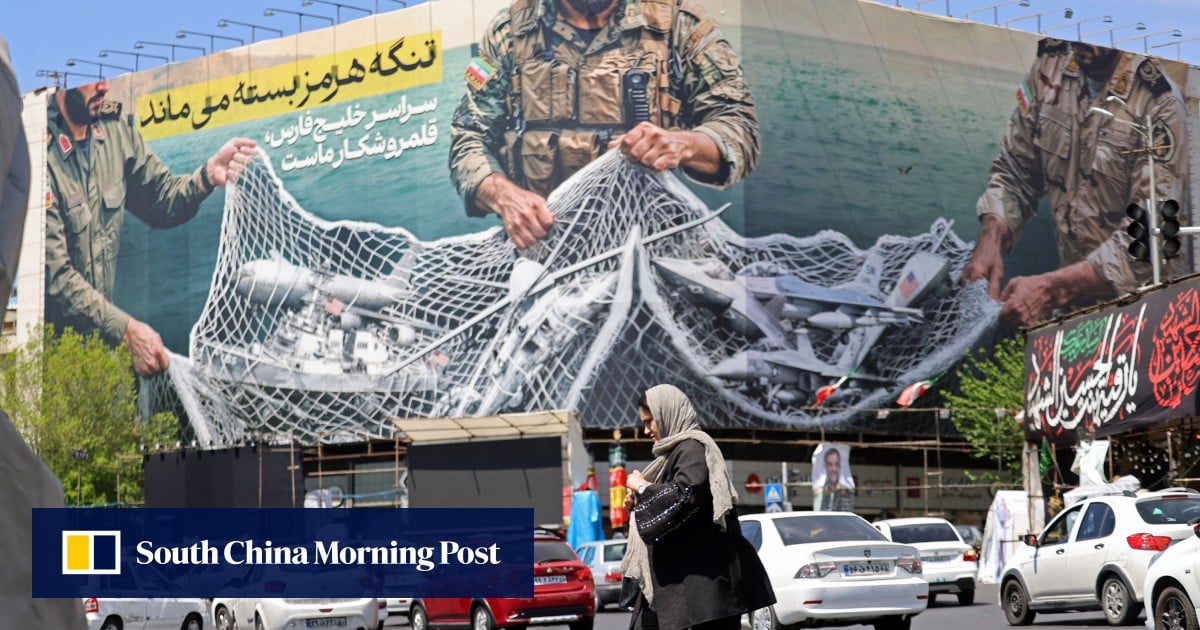
The US military has launched another round of strikes against Iran in response to an Iranian assault on a container ship in the Strait of Hormuz. The strikes came after attacks by the US military on Sunday in response to an Iranian strike on a container ship in the critical waterway the day before. Iran responded to those strikes by attacking Gulf Arab states in an escalating cycle of…
The US and Iran are having a big fight over who gets to control a very important waterway called the Strait of Hormuz. The US is trying to stop Iran from attacking ships that go through this waterway, but Iran is still trying to attack them. This is making it hard for ships to go through the waterway safely.
Analysis
A Cycle of Violence Escalates
The recent strikes by the US military against Iran are the latest in a cycle of attacks and counter-attacks as Iran seeks to assert control over shipping through the Strait of Hormuz. The strikes came after attacks by the US military on Sunday in response to an Iranian strike on a container ship in the critical waterway the day before. Iran responded to those strikes by attacking Gulf Arab states in an escalating cycle of violence that left the negotiations between Tehran and Washington to end the war at the edge of collapse.
The US Strikes Back
The US military said it has launched another round of strikes against Iran “to degrade their ability to attack commercial ships freely transiting the Strait of Hormuz”. The strikes, which took place overnight on Sunday into Monday, came after attacks by the US military on Sunday morning in response to an Iranian strike on a container ship in the critical waterway the day before. The strikes were the latest in a cycle of attacks and counter-attacks as Iran seeks to assert control over shipping through the strait. However, the barrage marked an escalation in pace and range.
Regional Implications
The strikes extended to Qatar, a mediator in ceasefire talks that had not come under attack since April, while the United Arab Emirates, which had not been targeted since early May, said its air defences had engaged missiles and drones from Iran. The escalating cycle of violence has significant implications for global shipping and the stability of the Middle East region.
Key points
- The US military has launched another round of strikes against Iran in response to an Iranian assault on a container ship in the Strait of Hormuz.
- The strikes came after attacks by the US military on Sunday in response to an Iranian strike on a container ship in the critical waterway the day before.
- Iran responded to those strikes by attacking Gulf Arab states in an escalating cycle of violence that left the negotiations between Tehran and Washington to end the war at the edge of collapse.
- The strikes extended to Qatar, a mediator in ceasefire talks that had not come under attack since April, while the United Arab Emirates, which had not been targeted since early May, said its air defences had engaged missiles and drones from Iran.
If the US and Iran can come to a peaceful agreement, it could lead to a decrease in violence and a more stable Middle East region. This could also lead to a decrease in the cost of shipping through the Strait of Hormuz, making it easier for countries to trade with each other.
If the US and Iran continue to escalate their attacks, it could lead to a full-blown war in the Middle East. This could have devastating consequences for the region, including the loss of life, destruction of infrastructure, and a significant impact on the global economy.