U.S. moves to tighten economic pressure on Iran
The U.S. is preparing its toughest sanctions yet against Iran, with Treasury Secretary Scott Bessent announcing a new economic front in the U.S.-Iran conflict. The sanctions package will be detailed at a news conference on Monday.
Intelligence analysis by Llama
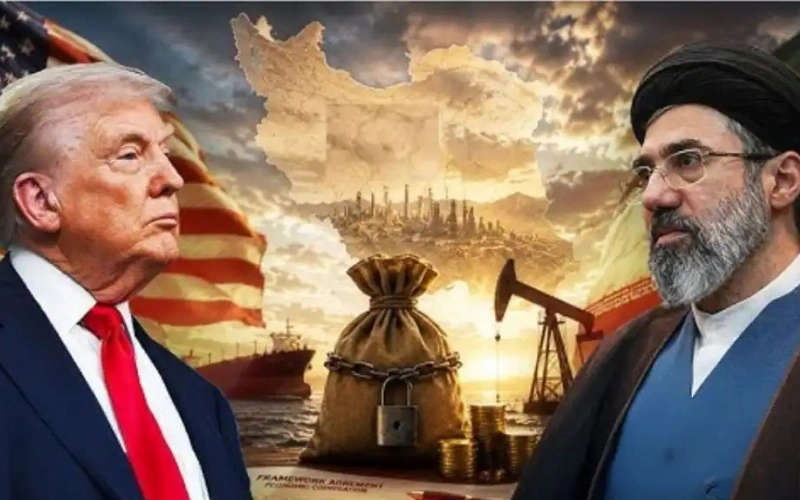
The U.S. is escalating economic pressure on Iran, with Treasury Secretary Scott Bessent announcing a new sanctions package. The move aims to reduce the need for another major military escalation and follows President Donald Trump's threat of sweeping financial penalties for countries that help Iran.
The U.S. is putting more economic pressure on Iran, which means it's trying to make it harder for Iran to sell oil and get money from other countries. This could lead to higher fuel prices and affect the global economy. The U.S. is doing this because it wants to stop Iran from developing nuclear and missile capabilities and supporting terrorism.
Analysis
Economic Warfare: A New Front in the U.S.-Iran Conflict
The U.S. has long been a major player in the global economy, and its actions have significant implications for countries around the world. The latest escalation in the U.S.-Iran conflict is no exception. Treasury Secretary Scott Bessent announced a new economic front in the conflict, with a sanctions package aimed at reducing the need for another major military escalation.
The sanctions package is a response to President Donald Trump's threat of sweeping financial penalties for countries that help Iran. The move aims to cut off Iran's access to the global financial system and limit its ability to export oil. The sanctions will target Iranian entities and individuals involved in the country's nuclear and missile programs, as well as those involved in the country's support for terrorism.
The new sanctions package is a significant escalation of the U.S.-Iran conflict and could have far-reaching implications for global energy markets. The move could lead to higher fuel prices and affect the global economy. The U.S. has already imposed significant sanctions on Iran, including restrictions on the country's oil exports and access to the global financial system.
The latest escalation in the U.S.-Iran conflict comes as Trump faces pressure over the cost of the conflict. Higher fuel prices have weighed on his approval ratings and could create challenges for Republicans ahead of the November midterm elections. Iranian Foreign Minister Abbas Araqchi accused Trump of using the confrontation to shift attention away from economic difficulties in the United States, including record government debt and rising interest rates.
The U.S.-Iran conflict has been ongoing for nearly five decades, dating back to the 1979 Islamic Revolution. The conflict has seen numerous escalations, including the 1980s Iran-Iraq War and the 2003 invasion of Iraq. The latest escalation is a response to Iran's continued support for terrorism and its development of nuclear and missile capabilities.
The U.S. has long been a major player in the global economy, and its actions have significant implications for countries around the world. The latest escalation in the U.S.-Iran conflict is a reminder of the complex and often fraught nature of international relations.
A New Era of Economic Pressure
The new sanctions package is a significant escalation of the U.S.-Iran conflict and could have far-reaching implications for global energy markets. The move could lead to higher fuel prices and affect the global economy. The U.S. has already imposed significant sanctions on Iran, including restrictions on the country's oil exports and access to the global financial system.
The latest escalation in the U.S.-Iran conflict comes as Trump faces pressure over the cost of the conflict. Higher fuel prices have weighed on his approval ratings and could create challenges for Republicans ahead of the November midterm elections. Iranian Foreign Minister Abbas Araqchi accused Trump of using the confrontation to shift attention away from economic difficulties in the United States, including record government debt and rising interest rates.
The U.S.-Iran conflict has been ongoing for nearly five decades, dating back to the 1979 Islamic Revolution. The conflict has seen numerous escalations, including the 1980s Iran-Iraq War and the 2003 invasion of Iraq. The latest escalation is a response to Iran's continued support for terrorism and its development of nuclear and missile capabilities.
A Global Response
The U.S.-Iran conflict has significant implications for global energy markets and could affect fuel costs. The new sanctions package aims to reduce the need for another major military escalation and could test U.S. relations with China, Iran's largest oil customer. China has already opposed the sanctions approach, saying economic pressure would not resolve the dispute and urging the parties to pursue political and diplomatic solutions.
The latest escalation in the U.S.-Iran conflict is a reminder of the complex and often fraught nature of international relations. The U.S. has long been a major player in the global economy, and its actions have significant implications for countries around the world.
Key points
- The U.S. is preparing its toughest sanctions yet against Iran.
- The sanctions package will target Iranian entities and individuals involved in the country's nuclear and missile programs.
- The move aims to reduce the need for another major military escalation and could test U.S. relations with China, Iran's largest oil customer.
- The U.S.-Iran conflict has significant implications for global energy markets and could affect fuel costs.
- The new sanctions package is a significant escalation of the U.S.-Iran conflict and could have far-reaching implications for global energy markets.
The new sanctions package could lead to a reduction in the need for another major military escalation, which would be a positive development. Additionally, the U.S. and Iran may be able to find a peaceful resolution to their conflict, which would be a significant step forward.
The new sanctions package could lead to higher fuel prices and affect the global economy, which would be a negative development. Additionally, the U.S.-Iran conflict could escalate further, leading to more violence and instability in the region.