US Navy destroyer adrift in South China Sea for four days after losing power
The USS Benfold, a 10,000-ton Arleigh Burke-class guided-missile destroyer, lost power in the South China Sea on 24 July and was adrift for four days before being towed to Subic Bay, Philippines, according to US Naval Institute News.
Intelligence analysis by Llama
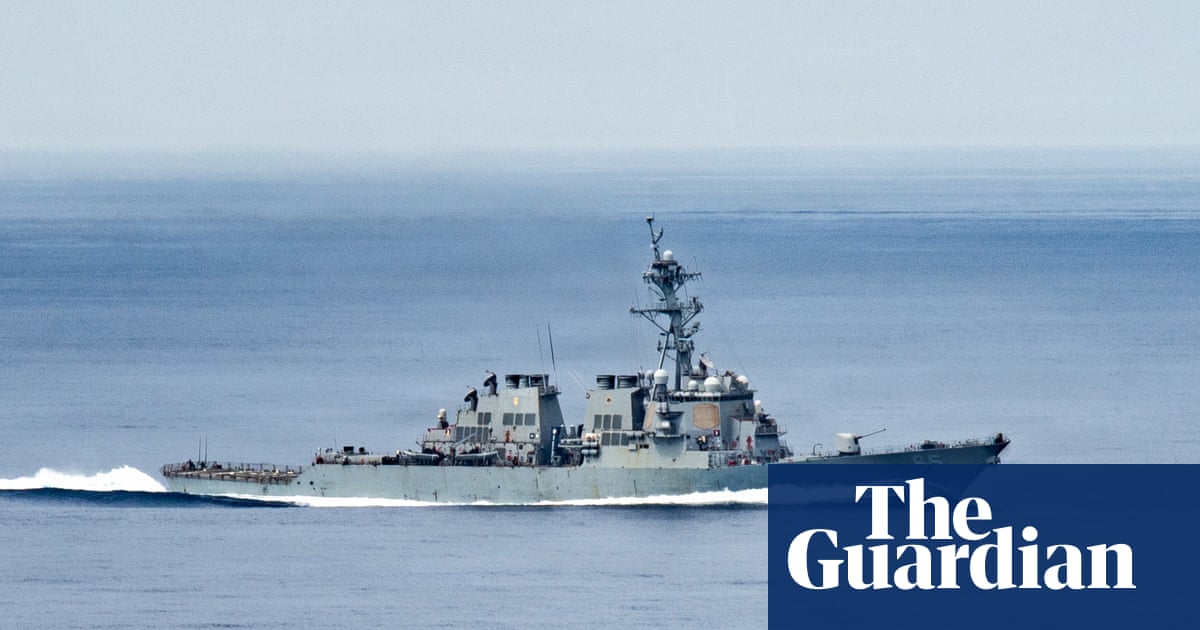
The USS Benfold lost propulsion and electrical power for four days in the South China Sea after a generator failure, leaving sailors without toilets, air conditioning, or hot food. The incident comes amid mounting scrutiny of extended US Navy deployments tied to the Iran war.
Imagine you and your friends are on a really big toy boat in a swimming pool, and suddenly the motor stops working. For four whole days, the boat just floats wherever the water pushes it, and the lights, toilets, and kitchen don't work. That's what happened to a real US Navy ship called the Benfold in a part of the ocean called the South China Sea, and grown-ups are worried because the ship's crews have been working for a very long time without a break.
Analysis
The Benfold and the Cost of a Generator Casualty
When the USS Benfold's generators failed on 24 July, the destroyer effectively became a 10,000-ton steel island in one of the world's most contested waterways. A US 7th Fleet spokesperson described the cause as "an engineering casualty involving its generators," language that deliberately avoids the word "breakdown" but conveys the same meaning: a ship that should be steaming under its own power was instead riding the currents of the South China Sea, awaiting rescue.
Commander Matthew Comer, the 7th Fleet spokesperson, stressed that no sailors were injured and praised the crew's "resilience, grit, professionalism and unwavering steadiness." Yet the conditions he described — no galley services, no functioning toilets, no air conditioning — are the kind of deprivations that, even on a healthy ship, drive crews to exhaustion within hours. For four days, a guided-missile destroyer built to project American power was unable to keep its sailors fed, dry, or cool.
The Benfold had been sailing with the George Washington carrier strike group, one of the most powerful naval formations the US Navy can put to sea. That a vessel in such company needed to be towed to Subic Bay in the Philippines is a logistical black eye, but it is the second-tier detail: another ship in the same strike group, the cruiser USS Robert Smalls, had to divert from its own mission to help feed the Benfold's crew. The episode reveals how a single engineering failure can ripple outward and degrade an entire task force.
The 200-Day Deployment Problem
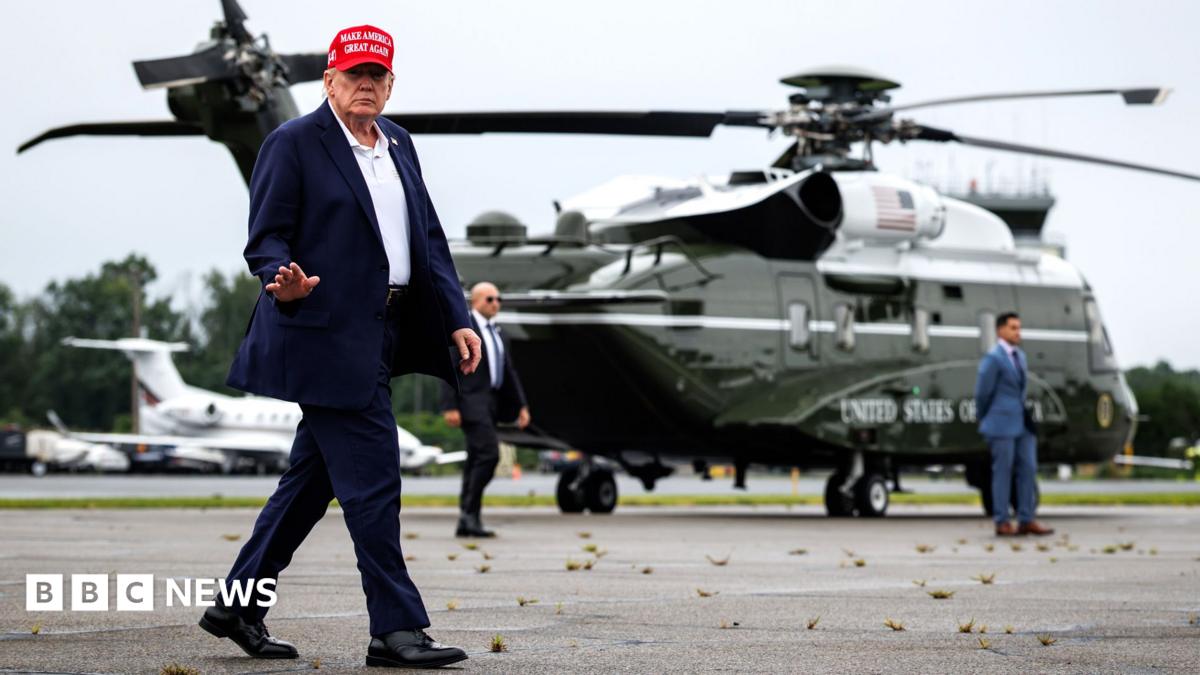
The Benfold's ordeal sits inside a larger, more troubling pattern. The USS Abraham Lincoln, another carrier assigned to relieve the Benfold's strike group, has been at sea for more than 200 days without a port call. The Navy Times and Stars and Stripes reported multiple attempts by sailors to jump overboard, and families of deployed service members publicly denounced President Trump and Defense Secretary Pete Hegseth for "dismissing their experiences and calling them liars."
Senator Ruben Gallego, an Arizona Democrat and retired Marine, told ABC News that the problem traces directly to the Iran war the Trump administration began in February. "The deep, deep, deep problem here is that this administration did not plan for this war, did not plan how to get out of this war, and did not really understand how this war was going to escalate," Gallego said. The Lincoln was originally deployed to the Indo-Pacific before being redirected to the Middle East in January, a shift that stretches carrier rotations and leaves other regions covered by thinner forces — which is precisely how a destroyer ends up relying on a single sister ship for hot meals.
Brad Cooper's Arabian Gulf Inspection
Admiral Brad Cooper, commander of US Central Command, boarded the Lincoln in the Arabian Gulf a day before publishing an opinion piece in the Wall Street Journal defending the crew and the deployment. Cooper wrote that many elements of the media coverage were "old news" but acknowledged that the crew was tired. "History will record this deployment as one of the most operationally intense and consequential of the modern era," he argued, a line that praises endurance while also implicitly conceding the strain.
Cooper's data point — that of the Navy's 11 active aircraft carriers, the Lincoln has among the lowest numbers of mental-health cases — is the kind of framing Hegseth and the Pentagon have leaned on to push back against the families' accounts. Hegseth told Newsmax the reports were "completely misrepresented" and insisted the Navy ensures "every ship, every crew, every captain has everything we can provide." Trump, asked about the Lincoln on Monday, said the carrier had been at sea for a "good period of time" and quoted a retired admiral assuring him the ship was "beautifully maintained." The gap between the administration's reassurance and the conditions aboard the Benfold is the story these two threads, taken together, are really telling.
Key points
- USS Benfold lost power on 24 July after an 'engineering casualty involving its generators' and was adrift for four days before being towed to Subic Bay, Philippines
- Crew of the 10,000-ton Arleigh Burke-class destroyer went without galley services, toilets, and air conditioning; the cruiser USS Robert Smalls had to provide meals
- The incident comes amid reports that sailors on the USS Abraham Lincoln attempted to jump overboard after more than 200 days at sea without a port call
- Senator Ruben Gallego and military families blame the deployments on the Iran war launched in February; Trump and Defense Secretary Pete Hegseth have rejected the accounts as 'completely misrepresented'
- Admiral Brad Cooper of US Central Command boarded the Lincoln in the Arabian Gulf and wrote in the Wall Street Journal that many reports of poor conditions were 'old news'
If the engineering failure on the Benfold turns out to be an isolated maintenance lapse rather than a systemic readiness problem, the Navy can use the episode to harden its generator redundancy and inspection regime. Admiral Cooper's acknowledgment that the deployment is "operationally intense" but the crew is "firing on all cylinders" also leaves room for the carrier rotation to stabilize once the Iran conflict eases, restoring more normal deployment cycles.
If the Benfold's generator failure is symptomatic of broader fleet maintenance decay — driven by Trump-ordered reductions in joint exercises with South Korea and a simultaneous pivot to the Middle East — similar incidents could recur on ships that cannot be rescued by a nearby cruiser. The reported suicide attempts on the Lincoln, combined with public denunciations from military families, suggest a morale crisis that mechanical fixes alone will not solve, and further overstretch could degrade US deterrence in both the Indo-Pacific and the Gulf.