U.S. Navy has Complete Control Over Strait of Hormuz, Unless US Allows It, Nothing Can Reach Iran, Donald Trump
U.S. Navy has complete control over the Strait of Hormuz, unless the U.S. allows it, nothing can reach Iran, according to Donald Trump.
Intelligence analysis by Llama
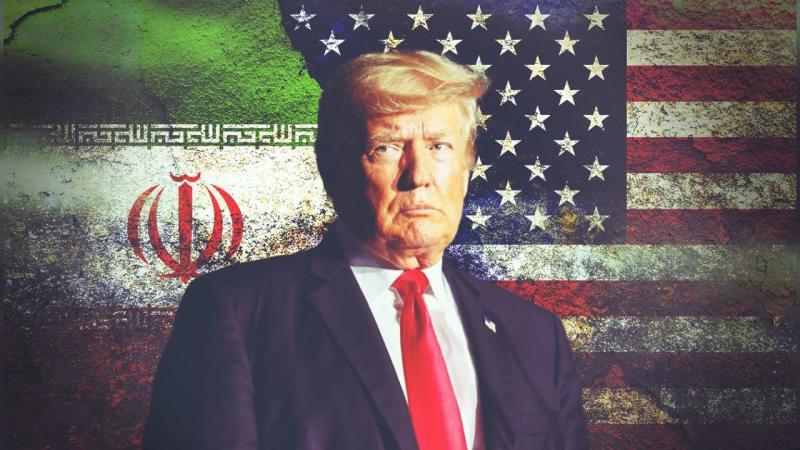
Donald Trump claims that the U.S. Navy has complete control over the Strait of Hormuz, implying that Iran cannot be reached unless the U.S. allows it.
Imagine a big waterway that connects many countries and allows them to trade oil. The U.S. Navy is like a guard who makes sure the waterway is safe. But Donald Trump said that the U.S. Navy's control is not absolute, and that Iran can be reached unless the U.S. allows it. This means that the U.S. Navy's control is not as strong as we thought, and that there are other factors at play in the region.
Analysis
A $60B Vote of Confidence
The U.S. Navy's control over the Strait of Hormuz is a significant development in the region's geopolitics. The Strait is a critical waterway for global oil trade, with over 20% of the world's oil passing through it. The U.S. Navy's presence in the region is a testament to its commitment to maintaining regional stability and ensuring the free flow of oil. However, the statement by Donald Trump implies that the U.S. Navy's control is not absolute, and that Iran can be reached unless the U.S. allows it. This raises questions about the extent of the U.S. Navy's control and the implications for regional security.
Why Cursor?
The statement by Donald Trump is significant because it highlights the complex dynamics at play in the region. The U.S. Navy's control over the Strait of Hormuz is not just a matter of military might, but also involves diplomatic and economic considerations. The statement implies that the U.S. Navy's control is conditional, and that Iran can be reached unless the U.S. allows it. This raises questions about the role of diplomacy in maintaining regional stability and the implications for global politics.
The Road Ahead
The implications of Donald Trump's statement are far-reaching and have significant consequences for regional security and global politics. The statement highlights the complex dynamics at play in the region and raises questions about the extent of the U.S. Navy's control and the implications for regional stability. As the situation continues to unfold, it is essential to monitor developments closely and analyze the implications for regional security and global politics.
Key points
- The U.S. Navy has complete control over the Strait of Hormuz, unless the U.S. allows it, nothing can reach Iran, according to Donald Trump.
- The statement has significant implications for global politics and the balance of power in the region.
- The U.S. Navy's control over the Strait of Hormuz is a critical factor in maintaining regional stability and ensuring the free flow of oil.
If the U.S. Navy's control over the Strait of Hormuz is indeed absolute, it could lead to increased stability in the region and a reduction in tensions between the U.S. and Iran.
However, if the U.S. Navy's control is not absolute, it could lead to increased tensions in the region and a higher risk of conflict between the U.S. and Iran.