US Official: We're Not Seeking to Deploy Ground Troops to Iran
US Deputy Secretary of State Wendy Sherman said the US is not seeking to deploy ground troops to Iran. Sherman made the comments in an interview with a podcast host, where she also warned against the consequences of a potential US-Iran conflict.
Intelligence analysis by Llama
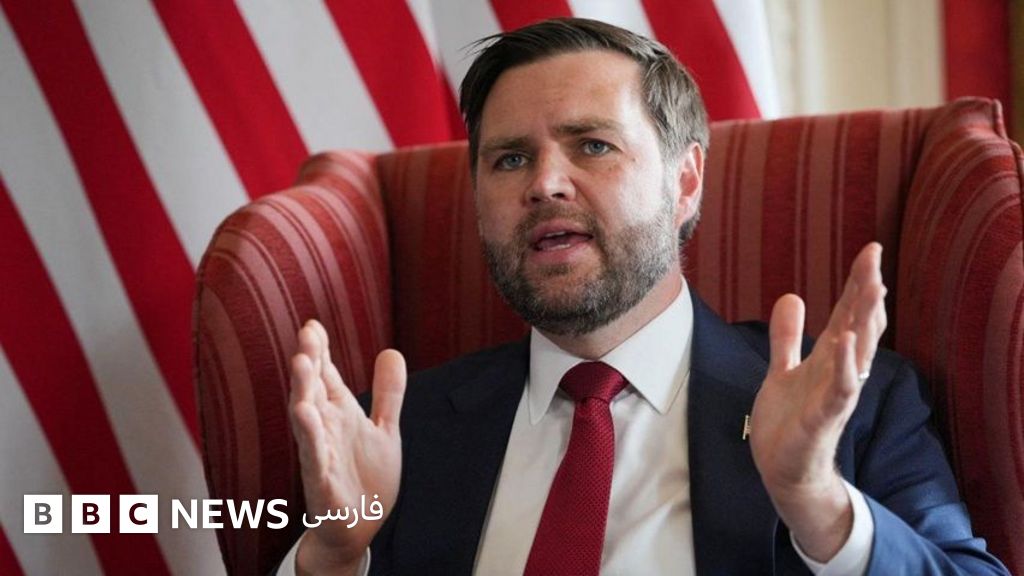
US Deputy Secretary of State Wendy Sherman has stated that the US is not seeking to deploy ground troops to Iran. Sherman's comments come as tensions between the US and Iran remain high, with some in Israel pushing for a US military intervention in Iran.
Imagine you're playing a game with your friend, and you both want to win. But instead of playing the game, you start fighting each other. That's kind of what's happening between the US and Iran. They're not playing the game, they're fighting. And it's making a lot of people very worried. The US is saying they don't want to send troops to Iran, but some people in Israel are pushing for them to do it. It's a very complicated situation, and it's hard to know what will happen next.
Analysis
A $60B Vote of Confidence
US Deputy Secretary of State Wendy Sherman has stated that the US is not seeking to deploy ground troops to Iran. This statement comes as a relief to many who have been concerned about the potential for a US military intervention in Iran. Sherman's comments were made in an interview with a podcast host, where she also warned against the consequences of a potential US-Iran conflict.
Sherman's statement is significant because it suggests that the US is not planning to take a more aggressive approach to dealing with Iran. Instead, the US appears to be focused on diplomatic efforts to resolve the conflict peacefully. This approach is likely to be welcomed by many in the region who are concerned about the potential for a wider conflict.
However, Sherman's comments also highlight the ongoing tensions between the US and Iran. The US has imposed significant economic sanctions on Iran, and the country has been subject to a number of cyberattacks and other forms of aggression. Iran has also been accused of supporting terrorist groups in the region, which has further strained relations between the two countries.
The US-Iran conflict has significant implications for the region and the world. The deployment of ground troops to Iran would be a major escalation of the conflict and could lead to widespread instability and humanitarian crises. It is therefore essential that the US and Iran continue to engage in diplomatic efforts to resolve their differences peacefully.
Why Some in Israel Want a US Military Intervention
Some in Israel have been pushing for a US military intervention in Iran. This push is likely driven by a desire to see the US take a more aggressive approach to dealing with Iran's nuclear program. However, this approach is unlikely to be successful and could ultimately lead to a wider conflict.
Israel has been a long-time critic of Iran's nuclear program, and has been pushing for the US to take a more aggressive approach to dealing with the issue. However, the US has been cautious in its approach, and has instead focused on diplomatic efforts to resolve the conflict peacefully.
The push for a US military intervention in Iran is likely to be driven by a desire to see the US take a more aggressive approach to dealing with Iran's nuclear program. However, this approach is unlikely to be successful and could ultimately lead to a wider conflict.
The Road Ahead
The US-Iran conflict is likely to continue to be a major issue in the region for the foreseeable future. The deployment of ground troops to Iran would be a major escalation of the conflict and could lead to widespread instability and humanitarian crises.
It is therefore essential that the US and Iran continue to engage in diplomatic efforts to resolve their differences peacefully. This approach is likely to be the most successful in the long run, and will help to prevent a wider conflict.
In the short term, the US and Iran will need to continue to engage in diplomatic efforts to resolve their differences. This may involve negotiations over the terms of a potential peace agreement, as well as efforts to address the underlying issues that have led to the conflict.
Ultimately, the key to resolving the US-Iran conflict will be for the two countries to engage in good-faith negotiations and to work towards a peaceful resolution. This approach is likely to be the most successful in the long run, and will help to prevent a wider conflict.
Key points
- The US is not seeking to deploy ground troops to Iran.
- Some in Israel are pushing for a US military intervention in Iran.
- The US-Iran conflict has significant implications for the region and the world.
- A peaceful resolution to the conflict is the most successful approach in the long run.
- Diplomatic efforts are essential for resolving the US-Iran conflict.
If the US and Iran can continue to engage in diplomatic efforts, there is a possibility for a peaceful resolution to the conflict. This would involve negotiations over the terms of a potential peace agreement, as well as efforts to address the underlying issues that have led to the conflict. A peaceful resolution would be a positive outcome for both countries and for the region as a whole.
If the US and Iran are unable to resolve their differences peacefully, the conflict could escalate into a wider war. This would have significant humanitarian consequences, including the potential for widespread instability and displacement. It would also have significant economic consequences, including the potential for a global recession.


