US Opens a New Front Against Iran's Crypto Economy
The US Department of the Treasury has placed Iran's digital asset sector under sanctions, targeting its methods of dodging sanctions in a new economic campaign against the country.
Intelligence analysis by Llama
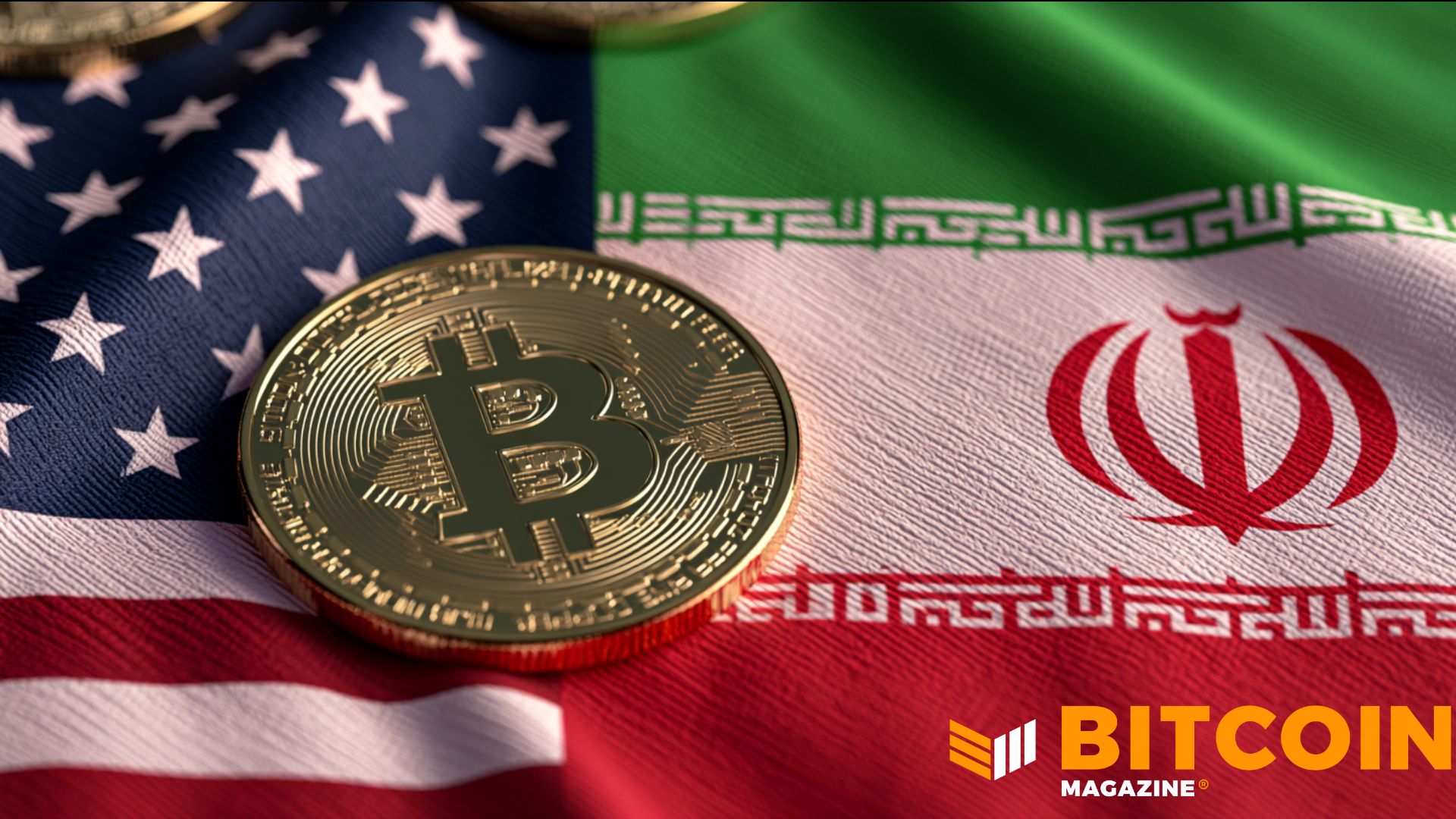
The US has escalated its economic campaign against Iran by targeting its crypto-related methods of dodging sanctions. The move aims to collapse every last option for Iran and expose those responsible to the full reach of American sanctions.
The US government is trying to stop Iran from using a type of money called cryptocurrency to avoid following the rules. They are putting a big warning sign on Iran's cryptocurrency accounts to make sure no one helps them break the rules.
Analysis
Operation Economic Outcast: A New Front Against Iran's Crypto Economy
The US Department of the Treasury has taken a significant step in its economic campaign against Iran by placing the country's digital asset sector under sanctions. This move, part of Operation Economic Outcast, is a sustained campaign to collapse every last option for Iran and expose those responsible to the full reach of American sanctions.
The Treasury's Office of Foreign Assets Control (OFAC) has designated members of a group within the Ministry of Intelligence and Security accused of hacking US critical infrastructure on behalf of the Iranian regime. The group's co-leader, Behzad Mesri, and members Keyvan Fayyaz Ghareh Blagh and Arman Kahzadian, each had bitcoin and other crypto addresses added to the Treasury's sanctioned list.
This development is significant as it highlights the US government's efforts to curb Iran's use of cryptocurrency to evade sanctions. Iran has been increasingly turning to cryptocurrency as a tool of choice for sanctions evasion, supporting transactions linked to the Islamic Revolutionary Guard Corps and Iranian regime insiders.
The sanctions will have a significant impact on foreign exchanges, OTC desks, payment processors, and infrastructure providers that knowingly facilitate transactions supporting Iran's digital asset sector. These entities will now be exposed to designation themselves, along with the loss of access to the US financial system that typically follows.
The US has frozen crypto linked to the Iranian regime, mostly in the form of the Tether stablecoin. However, bitcoin, being decentralized and having no single issuer, cannot be frozen by the company that issues the asset. This move by the US government is a significant escalation in exposure for crypto businesses worldwide.
Implications for Crypto Businesses
The sanctions will have a significant impact on crypto businesses that operate in Iran or have ties to the country. These businesses will need to be cautious in their dealings with Iranian entities to avoid being designated by OFAC.
The move by the US government also highlights the importance of complying with sanctions regulations in the crypto space. Crypto businesses must ensure that they are not facilitating transactions that support sanctions evasion or other illicit activities.
Conclusion
The US government's move to sanction Iran's digital asset sector is a significant escalation in its economic campaign against the country. This development highlights the importance of complying with sanctions regulations in the crypto space and the need for crypto businesses to be cautious in their dealings with Iranian entities.
Key points
- The US Department of the Treasury has placed Iran's digital asset sector under sanctions.
- The sanctions target Iran's methods of dodging sanctions in a new economic campaign against the country.
- The move aims to collapse every last option for Iran and expose those responsible to the full reach of American sanctions.
- The Treasury's Office of Foreign Assets Control has designated members of a group within the Ministry of Intelligence and Security accused of hacking US critical infrastructure on behalf of the Iranian regime.
If this development plays out positively, it could lead to a decrease in Iran's ability to use cryptocurrency for sanctions evasion, ultimately strengthening the global economy.
However, the sanctions could also lead to a backlash from Iran, potentially resulting in increased cyberattacks and other forms of retaliation against the US and its allies.