US pauses nightly Iran strikes, as Houthis clash with Saudis
The US has paused its nightly strikes on Iran after 13 consecutive days of attacks, raising questions about President Donald Trump's strategy in the war. Meanwhile, Houthi rebels and Saudi Arabia have clashed in Yemen, with the Houthis firing missiles and drones at Saudi …
Intelligence analysis by Llama
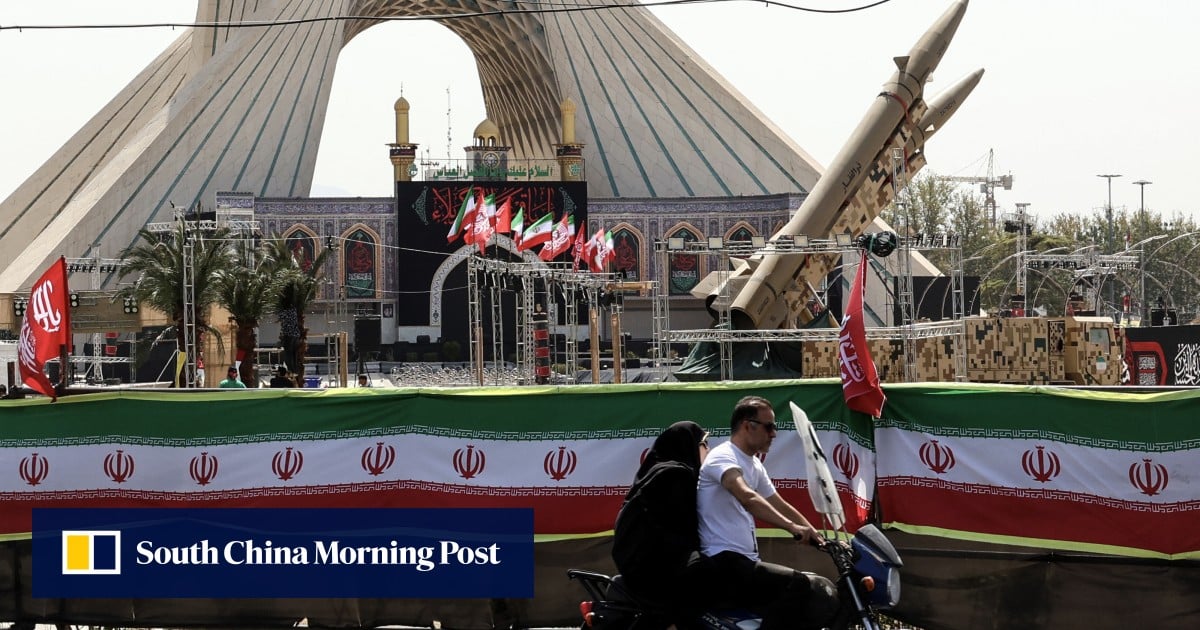
The US has paused its nightly strikes on Iran, while Houthi rebels and Saudi Arabia have clashed in Yemen, with the Houthis firing missiles and drones at Saudi oil facilities.
Imagine you're playing a game of chess with your friend. You've been making a lot of moves, but your friend hasn't been responding. Suddenly, you pause the game and take a break. This is kind of like what the US did with its strikes on Iran. They were making a lot of attacks, but Iran wasn't responding. So, the US decided to pause the game and take a break. Meanwhile, in Yemen, there's a conflict between the Houthi rebels and Saudi Arabia. The Houthis are firing missiles and drones at Saudi oil facilities, and the Saudi-led coalition is responding with its own attacks. This conflict has the potential to draw in other regional players and lead to a wider conflict in the Middle East.
Analysis
A Pause in the War Effort
The US has paused its nightly strikes on Iran after 13 consecutive days of attacks, raising questions about President Donald Trump's strategy in the war. The halt came without any announcement or explanation, leaving many to wonder what prompted the sudden change in tactics. This development has significant implications for the war effort, as the US had been escalating its attacks on Iran in recent days. The pause in strikes may be an attempt to de-escalate tensions and give Iran a chance to respond to the US's demands.
The Houthi-Saudi Conflict
Meanwhile, Houthi rebels and Saudi Arabia have clashed in Yemen, with the Houthis firing missiles and drones at facilities linked to oil giant Saudi Aramco in the Red Sea port towns of Jizan and Yanbu. The Saudi government and Aramco have not confirmed the attacks, but the Houthis have announced that they will blockade Saudi ports and attack two Saudi-linked oil tankers in the Red Sea. The Saudi-led coalition has responded by striking Houthi military positions, according to Yemen TV, a channel affiliated with the internationally recognised Yemeni government.
Implications for Regional Stability
The clashes between Houthi rebels and Saudi Arabia in Yemen have significant implications for regional stability. The conflict has the potential to draw in other regional players, including Iran and the US, and could lead to a wider conflict in the Middle East. The US pause in strikes on Iran may be an attempt to de-escalate tensions and prevent a wider conflict, but it remains to be seen whether this strategy will be effective.
Key points
- The US has paused its nightly strikes on Iran after 13 consecutive days of attacks.
- Houthi rebels and Saudi Arabia have clashed in Yemen, with the Houthis firing missiles and drones at Saudi oil facilities.
- The Saudi-led coalition has responded with its own attacks, according to Yemen TV.
- The conflict has significant implications for regional stability and could draw in other regional players.
- The US pause in strikes on Iran may be an attempt to de-escalate tensions and prevent a wider conflict.
The pause in US strikes on Iran may be an attempt to de-escalate tensions and prevent a wider conflict in the Middle East. If this development plays out positively, it could lead to a reduction in violence and a decrease in the risk of a wider conflict.
The clashes between Houthi rebels and Saudi Arabia in Yemen have significant implications for regional stability. If this conflict escalates, it could draw in other regional players and lead to a wider conflict in the Middle East. This would have significant consequences for regional stability and could lead to a major humanitarian crisis.