US probes 1.2 million Tesla vehicles over suspension failure risks
The US National Highway Traffic Safety Administration has opened a preliminary investigation into 1.2 million Tesla vehicles over reports of suspension failures that could cause a loss of vehicle steering control.
Intelligence analysis by Llama
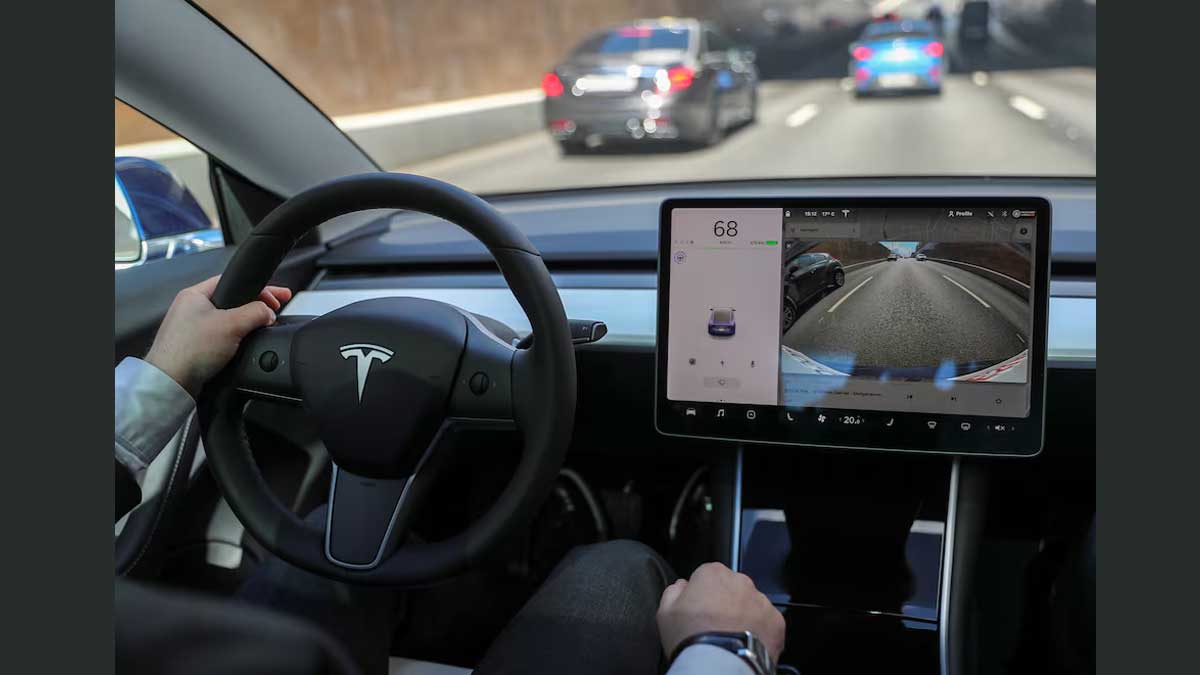
The regulator has received 156 complaints alleging the front lower lateral link detached in certain 2018-2020 Model 3 and 2021-2023 Model Y vehicles, which could leave the vehicle undriveable and require it to be towed.
Tesla is facing a problem with its cars' suspension, which could cause the car to lose control and need to be towed. The US government is investigating this issue to make sure it doesn't happen again.
Analysis
A $60B Vote of Confidence
The US National Highway Traffic Safety Administration (NHTSA) has opened a preliminary investigation into 1.2 million Tesla vehicles over reports of suspension failures that could cause a loss of vehicle steering control. This development is significant, as it highlights ongoing concerns about Tesla's vehicle reliability and the potential risks associated with its products. The regulator has received 156 complaints alleging the front lower lateral link detached in certain 2018-2020 Model 3 and 2021-2023 Model Y vehicles, which could leave the vehicle undriveable and require it to be towed. The NHTSA is currently conducting a preliminary evaluation, the first stage of its defect investigation process, which could lead to a recall if the agency finds a safety-related defect. This investigation is particularly noteworthy, as it follows a 2021 recall that covered about 2,800 Model 3 vehicles due to a production issue, and a 2023 recall involving 422 Model 3 vehicles that experienced similar failures. The reported failures in the new investigation extend beyond the scope of those recalls and do not appear to be related to the production issue that prompted them. The preliminary evaluation will examine the underlying cause, scope, and severity of the potential defect. This development is also significant in the context of Tesla's recent recalls, which have affected about 234,000 vehicles, according to recall management firm BizzyCar. Tesla has previously recalled vehicles over lower lateral link detachments, and the company has faced criticism for its handling of these issues. The NHTSA's investigation is a clear indication that the regulator is taking these concerns seriously and is committed to ensuring the safety of American consumers. The implications of this investigation are far-reaching, and it has the potential to impact not only Tesla's reputation but also the broader electric vehicle market. As the world continues to transition towards more sustainable forms of transportation, it is essential that manufacturers prioritize safety and reliability. The NHTSA's investigation is a crucial step in ensuring that Tesla meets these standards and that its products are safe for consumers to use.
Key points
- The US National Highway Traffic Safety Administration has opened a preliminary investigation into 1.2 million Tesla vehicles over reports of suspension failures.
- The regulator has received 156 complaints alleging the front lower lateral link detached in certain 2018-2020 Model 3 and 2021-2023 Model Y vehicles.
- The investigation could lead to a recall if the agency finds a safety-related defect.
- Tesla has previously recalled vehicles over lower lateral link detachments, and the company has faced criticism for its handling of these issues.
If the investigation leads to a recall, Tesla may be able to fix the issue and prevent further problems. Additionally, the investigation could lead to improved safety standards for electric vehicles, which could benefit the entire industry.
If the investigation finds a safety-related defect, Tesla may be forced to recall millions of vehicles, which could be costly and damage the company's reputation. Additionally, the investigation could lead to increased scrutiny of Tesla's manufacturing processes, which could impact the company's ability to produce vehicles efficiently.