U.S. regulator warns prediction markets against cutting corners in event contracts
The U.S. Commodity Futures Trading Commission has advised prediction markets firms that they're routinely stepping out of bounds when trying to set up large swaths of event contracts. The agency warned that it needs more specific information to evaluate contract submissio…
Intelligence analysis by Llama
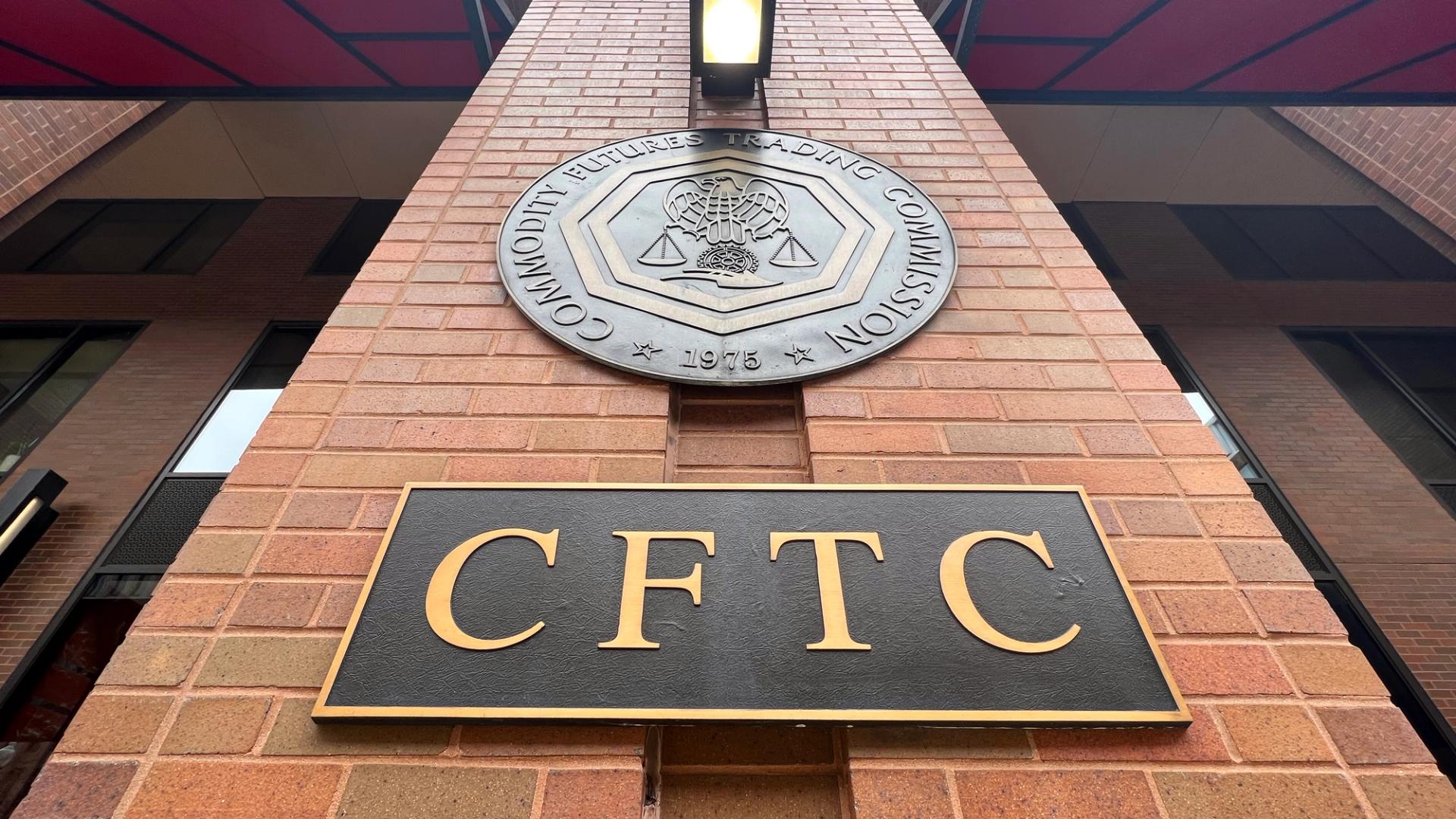
The U.S. Commodity Futures Trading Commission has warned prediction markets firms against cutting corners in event contracts, citing the need for more specific information to evaluate contract submissions individually.
Imagine you're playing a game where you bet on the outcome of events, like sports games or elections. The people running the game need to make sure they're following the rules and being fair. The U.S. Commodity Futures Trading Commission is like a referee, making sure the game is played fairly. They're warning the people running the game to be more specific about the rules they're using, so they can make sure everything is fair and square.
Analysis
A Warning from the CFTC
The U.S. Commodity Futures Trading Commission (CFTC) has issued a warning to prediction markets firms, cautioning them against cutting corners in event contracts. The agency has expressed concerns that firms are submitting broad, template-style certifications without providing the necessary terms and conditions for each proposed permutation. This lack of specificity can undermine the CFTC's ability to evaluate the contracts and ensure compliance with regulatory requirements.
The Consequences of Cutting Corners
The CFTC's warning is a clear indication that the agency is taking a closer look at the prediction markets industry. If firms fail to provide the necessary information, they risk facing regulatory action, including fines and penalties. This could have significant implications for the industry as a whole, particularly for firms that are already operating on thin margins.
The Need for Transparency
The CFTC's warning highlights the need for transparency in the prediction markets industry. Firms must provide clear and concise information about their contracts, including the terms and conditions, underlying commodity, and settlement methodology. This will enable the CFTC to evaluate the contracts and ensure compliance with regulatory requirements. By doing so, firms can avoid regulatory action and maintain a positive reputation in the industry.
Key points
- The CFTC has warned prediction markets firms against cutting corners in event contracts.
- Firms must provide more specific information about their contracts to avoid regulatory action.
- The warning highlights the need for transparency in the prediction markets industry.
- Compliance with the CFTC's warning could lead to a more regulated and transparent industry.
- Failure to comply could result in regulatory action, including fines and penalties.
If prediction markets firms take the CFTC's warning seriously and provide more detailed information about their contracts, it could lead to a more transparent and regulated industry. This could ultimately benefit consumers and investors by providing a safer and more reliable environment for trading.
If prediction markets firms fail to comply with the CFTC's warning and continue to submit broad, template-style certifications, it could lead to regulatory action, including fines and penalties. This could have significant implications for the industry, including the potential for firms to go out of business or be forced to restructure.