US says another troop killed as Israel warns Tehran’s attacks coming close
The US says another service member was killed in Iraq as it expands strikes on Iran. Israel warns the fighting could spill over, while regional defenses stay on alert.
Intelligence analysis by GPT-5.4 Mini
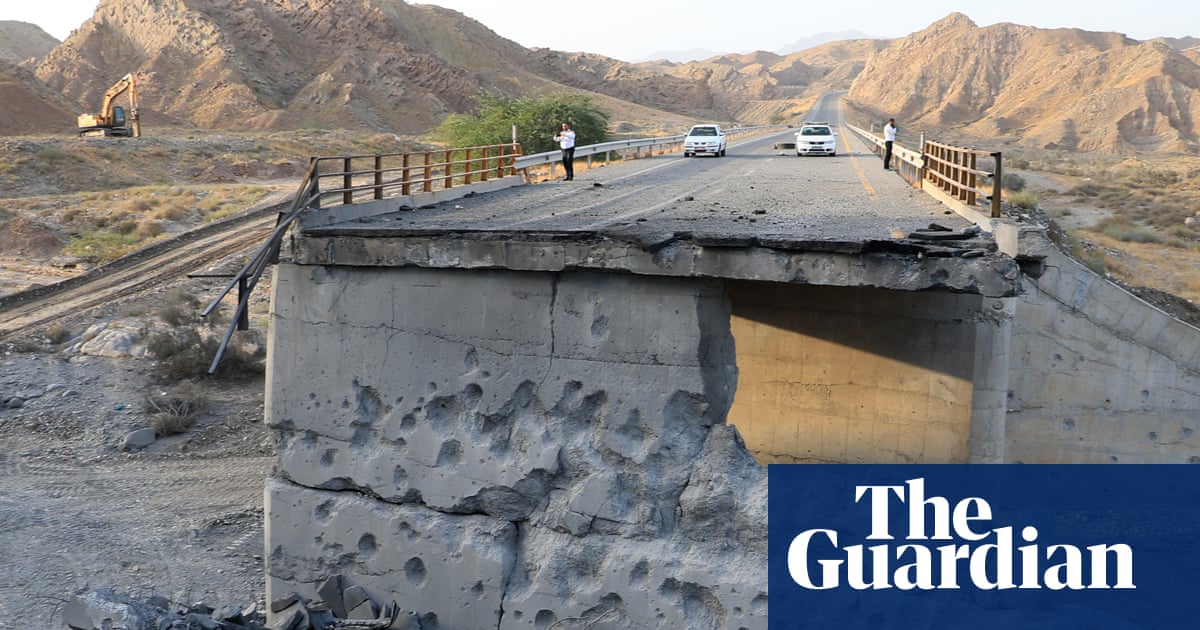
The article shows a conflict moving beyond retaliation into wider regional risk: US casualties are rising, Iran is answering with drones and missiles, and nearby countries are bracing for spillover. The Strait of Hormuz and fuel supplies are becoming a pressure point too.
It is like two kids fighting and hitting the whole neighborhood instead of just each other. The article says the clash between the US and Iran is spreading, so more soldiers, nearby countries, and shipping routes are getting caught in it.
Analysis
Retaliation Is No Longer One-Sided
The piece frames the confrontation as a fast-moving cycle of action and response rather than a single strike. The US is hitting Iranian military sites, and Iran is answering with drones and missiles, which means the conflict is now operating on several fronts at once.
That matters politically because it changes the logic of escalation. Once both sides are taking casualties and claiming retaliation, each new strike becomes harder to treat as a limited operation, especially when the article says the war has already killed 17 US service members.
The Strait of Hormuz Becomes the Real Prize
The article makes clear that the fighting is not only about military targets. By describing stalled shipping traffic in the Strait of Hormuz and attacks on bridges, desalination plants, and electrical facilities, it shows a conflict reaching into the infrastructure that keeps daily life and trade functioning.
That shifts the story from battlefield damage to strategic pressure. If a conflict can disrupt a chokepoint used for energy transport, it becomes a global political issue, not just a regional one, because governments far outside the Middle East have to care about supply, prices, and maritime security.
Regional Defenses Are Signaling a Wider War
Kuwait, Jordan, and Bahrain again activating air defenses is a sign that neighbors are being pulled into the danger zone whether they want to be or not. Israel’s warning that missiles headed toward Jordan could spill into its own territory suggests that the conflict is now close enough to affect multiple borders at once.
That is the article’s most important political signal: the war is pressuring states that are not the main belligerents. Once allied countries start scrambling to intercept drones and missiles, the diplomatic space for containment narrows and the cost of miscalculation rises quickly.
Key points
- The US says another service member was killed in Iraq during the detonation of a downed Iranian drone.
- The military says it is striking Iranian Revolutionary Guard targets and other military infrastructure.
- Iran has launched missiles and drones that have put neighboring states on alert.
- Israel warns the fighting could spread closer to its territory.
- Shipping through the Strait of Hormuz has largely stalled, raising wider economic stakes.
If the strikes really reduce Iran’s ability to launch drones and missiles, the fighting could become easier to contain. A more secure Strait of Hormuz would also help keep shipping moving and ease pressure on the wider region.
If the exchange keeps growing, more soldiers and civilians could be caught in the middle. The article already shows neighboring states on alert and fuel routes under stress, which raises the risk of a broader regional war and more economic disruption.
Market signals
- OIL The article says shipping traffic in the Strait of Hormuz has largely stalled, which raises the risk of tighter oil supply.
AI-generated analysis of potential market relevance. Not financial advice.