US says two military personnel killed in Jordan
The US military said two of its personnel were killed in Jordan and another was missing after an Iranian attack, while Iran's supreme leader said Washington would pay for 'seeking to incite war' after a seventh straight night of US strikes.
Intelligence analysis by Llama
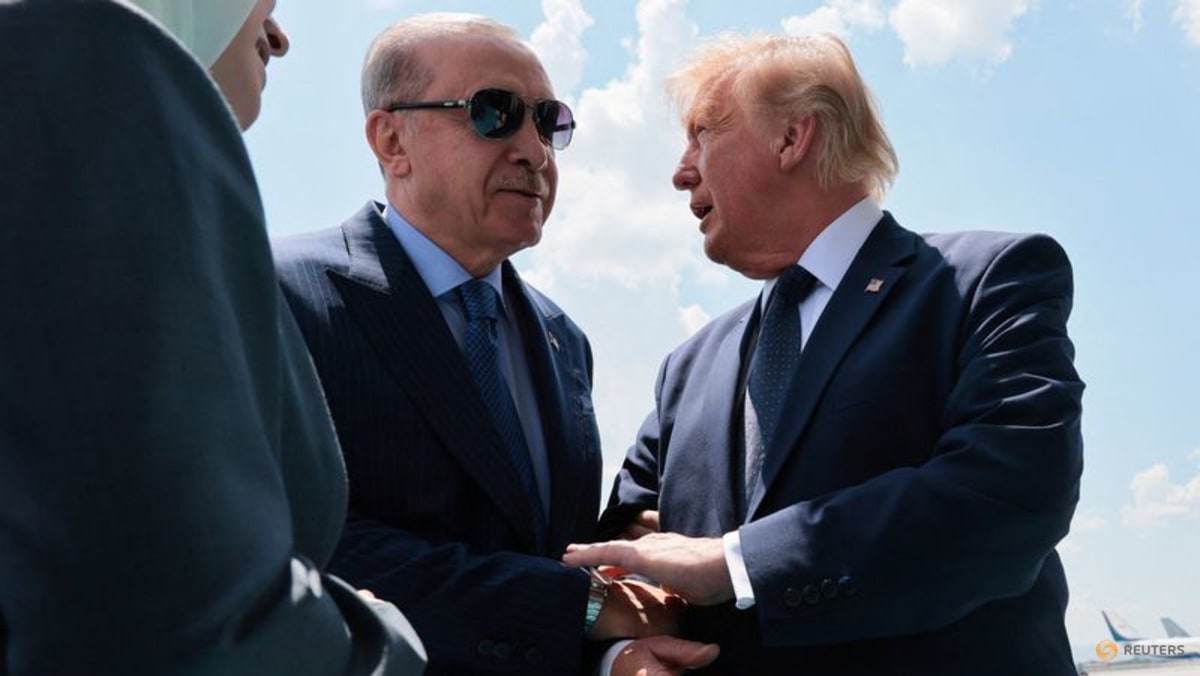
The US and Iran have intensified attacks since an interim ceasefire deal signed a month ago fell apart last week, raising the possibility of a return to all-out war. The US military said the two deaths occurred on Friday and that a third US service member was missing in action.
The US and Iran are fighting, and it's getting very serious. The US is attacking Iranian military sites, and Iran is striking back at US bases. This is causing a lot of problems for the global economy, including rising energy prices and fears over inflation. It's like a big game of chess, but with real people and real consequences.
Analysis
A Seventh Straight Night of US Strikes
The US and Iran have been engaged in a cycle of violence since an interim ceasefire deal signed a month ago fell apart last week. The US military said two of its personnel were killed in Jordan and another was missing after an Iranian attack, while Iran's supreme leader said Washington would pay for 'seeking to incite war' after a seventh straight night of US strikes.
The conflict, which began when the US and Israel launched strikes on Iran at the end of February hoping to disable its missile programme and its regional proxies, has led to major disruption to energy supplies, fears over global inflation, and a battle for control of the Strait of Hormuz.
Why Iran's Supreme Leader is Warning the US
Iran's supreme leader, Mojtaba Khamenei, has issued a stern warning to the US, saying that repeated US breaches of the interim deal have shown that US President Donald Trump's signature is 'utterly worthless and devoid of credibility.'
Khamenei's statement comes as the US and Iran have intensified attacks on each other's infrastructure, with the US targeting Iranian military sites and Iran striking back at US bases in the region.
The Human Cost of the Conflict
The conflict has already taken a heavy toll on both sides, with more than 420 US service members wounded and 16 killed since the war began. The US military said the two deaths occurred on Friday and that a third US service member was missing in action.
The conflict has also had a significant impact on the global economy, with energy prices rising and fears over global inflation growing.
Key points
- The US and Iran have been engaged in a cycle of violence since an interim ceasefire deal signed a month ago fell apart last week.
- The US military said two of its personnel were killed in Jordan and another was missing after an Iranian attack.
- Iran's supreme leader said Washington would pay for 'seeking to incite war' after a seventh straight night of US strikes.
- The conflict has led to major disruption to energy supplies, fears over global inflation, and a battle for control of the Strait of Hormuz.
- More than 420 US service members have been wounded and 16 killed since the war began.
If the US and Iran can find a way to negotiate a peaceful resolution to their conflict, it could lead to a significant decrease in global energy prices and a reduction in fears over inflation. This could also help to stabilize the region and reduce the risk of further conflict.
If the conflict between the US and Iran continues to escalate, it could lead to a major disruption in global energy supplies, causing energy prices to skyrocket and leading to widespread economic instability. This could also lead to a significant increase in global inflation, making it difficult for people to afford basic necessities.