US State Department to close consulates in Canada, Japan and Indonesia, sources say
The US State Department plans to close five foreign missions, including consulates in Canada, Japan, and Indonesia, as part of a rare downsizing of America's global diplomatic footprint.
Intelligence analysis by Llama
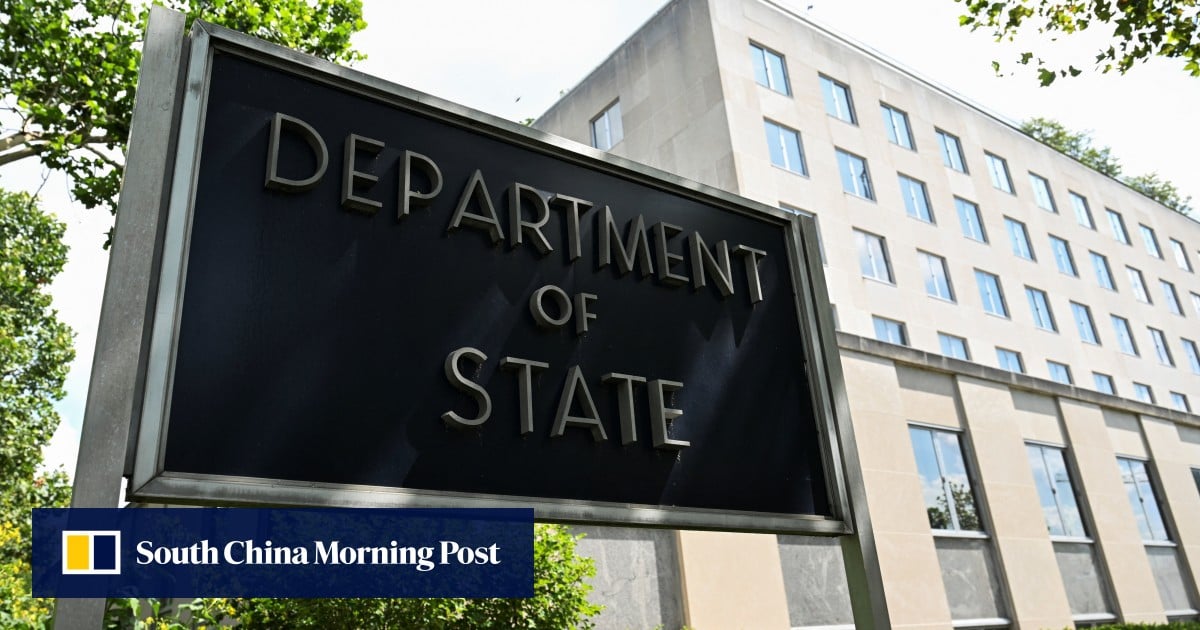
The State Department has notified Congress of its plans to close five foreign missions, citing a need to ensure efficiency in its diplomatic footprint. The closures are not tied to a specific geopolitical event and represent a rare example of the US closing multiple foreign missions.
Imagine the US has a big team of diplomats all around the world, helping to make friends and solve problems. The State Department is like the team leader, making sure everyone is working together effectively. But now, the State Department is saying it needs to close some of its teams in Canada, Japan, and Indonesia because it wants to make sure it's using its resources efficiently. This might make it harder for the US to be a leader in global affairs and could create opportunities for other countries to fill the gap.
Analysis
A Rare Example of Diplomatic Downsizing
The US State Department's plan to close five foreign missions, including consulates in Canada, Japan, and Indonesia, is a rare example of the US downsizing its global diplomatic footprint. This move is not tied to a specific geopolitical event, unlike previous closures, and represents a significant shift in the US approach to diplomacy.
The Impact on American Leadership
The closure of US consulates in Canada, Japan, and Indonesia may have significant implications for American leadership and diplomacy in the region. The US has long been a major player in global affairs, and the closure of its consulates may be seen as a sign of a decline in American influence. This could potentially create a vacuum for adversaries like China and Russia to fill, which could have far-reaching consequences for global stability.
The Role of the State Department
The State Department's decision to close these consulates is likely driven by a desire to ensure efficiency in its diplomatic footprint. With the US facing increasing competition from other global powers, the State Department may be looking to streamline its operations and focus on more critical missions. However, this move may also be seen as a sign of a broader decline in American leadership and a lack of commitment to global diplomacy.
Key points
- The US State Department plans to close five foreign missions, including consulates in Canada, Japan, and Indonesia.
- The closures are not tied to a specific geopolitical event and represent a rare example of the US downsizing its global diplomatic footprint.
- The closure of US consulates in Canada, Japan, and Indonesia may have implications for American leadership and diplomacy in the region.
If the US State Department's plan to close consulates in Canada, Japan, and Indonesia is implemented, it could lead to a more efficient use of resources and a greater focus on critical missions. This could ultimately lead to a more effective and streamlined diplomatic effort, which could have positive implications for American leadership and diplomacy in the region.
The closure of US consulates in Canada, Japan, and Indonesia could create a vacuum for adversaries like China and Russia to fill, potentially leading to a decline in American influence and a destabilization of the region.