US strikes Iranian civilian infrastructure, Tehran retaliates with attacks on US facilities in Gulf
The US has continued its airstrikes on Iran for a sixth consecutive night, striking civilian infrastructure and killing at least seven people. Iran has retaliated with attacks on US military infrastructure in Bahrain and Kuwait.
Intelligence analysis by Llama
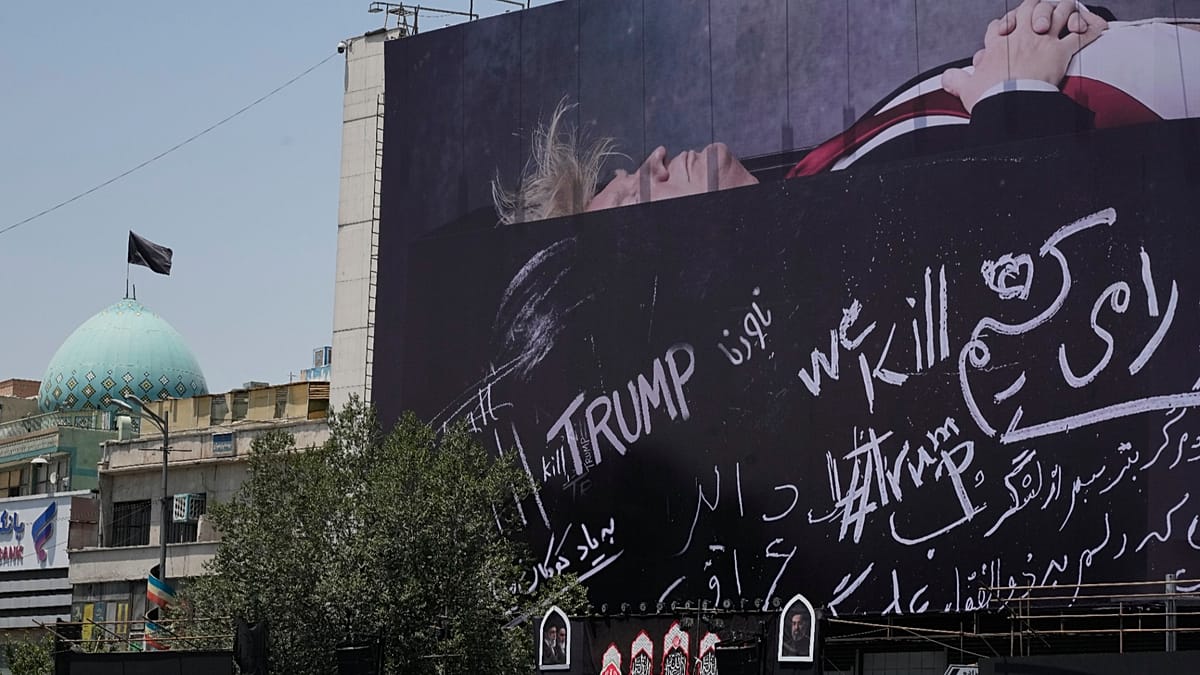
The US has escalated its airstrikes on Iran, striking civilian infrastructure and killing at least seven people. Iran has retaliated with attacks on US military infrastructure in Bahrain and Kuwait, raising tensions in the region.
The US and Iran are fighting, and the US is bombing Iran's cities and buildings. Iran is fighting back by attacking US buildings in other countries. This is making a lot of people worried because it could affect the price of oil and make it harder for people to get the things they need.
Analysis
A Sixth Night of Airstrikes: The US Escalates Against Iran
The US has continued its airstrikes on Iran for a sixth consecutive night, striking civilian infrastructure and killing at least seven people. The airstrikes, which began on 12 July, have targeted various locations across Iran, including bridges, airports, and train stations. The US Central Command confirmed that it had hit dozens of targets in its latest airstrikes, including coastal surveillance and air defence sites, military logistics infrastructure, and maritime capabilities.
Tehran Retaliates: Attacks on US Facilities in Bahrain and Kuwait
In response to the US airstrikes, Iran has launched attacks on US military infrastructure in Bahrain and Kuwait. Iranian state TV reported that the attacks were in revenge for the blood of the martyrs of the homeland. The attacks have raised tensions in the region, with Qatar also reporting incoming attacks early on Friday. Authorities said one child was wounded by falling debris.
A Deal Seemingly Out of Reach
Despite the escalating conflict, a deal between the US and Iran seems far out of reach. US President Donald Trump has repeatedly said that the Iran war was nearing an end, but the prospects of an agreement between the two seem distant. The latest escalation in fighting has ended the interim deal to end the Iran war and returned an all-out war to the region.
Key points
- The US has continued its airstrikes on Iran for a sixth consecutive night, striking civilian infrastructure and killing at least seven people.
- Iran has retaliated with attacks on US military infrastructure in Bahrain and Kuwait.
- The conflict between the US and Iran has significant implications for global oil markets and regional stability.
- A deal between the US and Iran seems far out of reach, with the latest escalation in fighting ending the interim deal to end the Iran war.
If the US and Iran can come to an agreement, it could lead to a reduction in tensions and a decrease in the risk of further conflict. This could also lead to an increase in trade and economic cooperation between the two countries.
If the conflict between the US and Iran continues to escalate, it could lead to a significant increase in the price of oil, making it harder for people to afford the things they need. It could also lead to a decrease in regional stability and an increase in the risk of further conflict.