US tanker aircraft leave Bulgaria as Iran war raises doubts over NATO protection
US tanker aircraft have departed Bulgaria's Bezmer Air Base, raising doubts over NATO's ability to protect its members from the consequences of a wider conflict with Iran.
Intelligence analysis by Llama
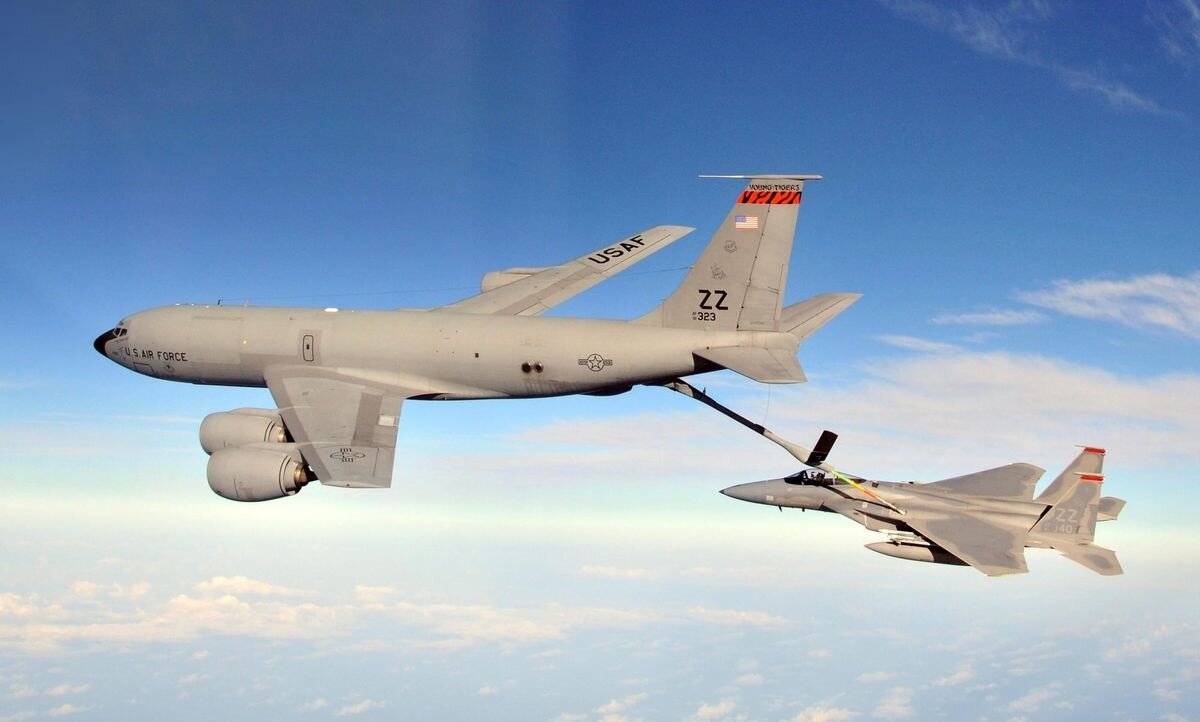
The departure of the KC-135 tankers has brought relief to local communities, but has exposed deeper concerns about Europe's security architecture and the reliability of NATO's security guarantees.
Imagine you're living in a small town near a big airport. One day, the airport starts getting a lot of attention from a country that's fighting a war far away. You start to worry that the war might come to your town, and you're not sure if the people who are supposed to protect you can really keep you safe. That's kind of what's happening in Bulgaria right now, where the US military has been using a local airbase to refuel its planes. The people of Bulgaria are worried that this might make their town a target for the other side in the war, and they're not sure if NATO can really keep them safe.
Analysis
The departure of the US tanker aircraft from Bulgaria's Bezmer Air Base has brought immediate relief to local communities that feared being drawn into the crossfire of the West Asia conflict. However, the episode has exposed far deeper concerns about Europe's security architecture. For many Bulgarians, the controversy has reinforced doubts over whether NATO can actually shield its members from the consequences of a wider conflict, particularly when US military operations turn European territory into a potential target. It also underscores the difficult position of smaller NATO members, caught between pressure to meet alliance commitments and the growing need to protect their own populations from the risks created by Washington's military engagements. At the heart of the debate is a growing concern that NATO's security guarantees may offer less protection than expected, while closer alignment with US military operations could instead leave European allies more exposed to the consequences of conflict.
NATO's Security Guarantees The controversy has highlighted the limitations of NATO's security guarantees, particularly for smaller member states. While NATO's Article 5 commitment to collective defense is a cornerstone of the alliance's security architecture, the reality is that the alliance's ability to protect its members is often dependent on the willingness and ability of its member states to contribute to the alliance's military efforts. In the case of Bulgaria, the country's decision to host US military aircraft at Bezmer Air Base was seen as a way to demonstrate its commitment to NATO's collective defense. However, the controversy has also highlighted the risks of hosting US military operations on European soil, particularly when those operations are seen as potentially drawing European territory into the crossfire of a wider conflict.
The Reliability of US Military Partnerships The controversy has also raised questions about the reliability of US military partnerships with European allies. While the US has long been a key partner for many European countries, the reality is that the US has a history of shifting its military priorities and commitments, often in response to changing global circumstances. For many European allies, the US has been seen as an unreliable partner, particularly when it comes to military commitments. The controversy has highlighted the need for European allies to develop their own military capabilities and to reduce their dependence on US military support.
The Future of NATO's Security Architecture The controversy has also highlighted the need for NATO to rethink its security architecture and to develop more effective ways of protecting its member states from the consequences of conflict. While NATO's Article 5 commitment to collective defense remains a cornerstone of the alliance's security architecture, the reality is that the alliance's ability to protect its members is often dependent on the willingness and ability of its member states to contribute to the alliance's military efforts. In the case of Bulgaria, the country's decision to host US military aircraft at Bezmer Air Base was seen as a way to demonstrate its commitment to NATO's collective defense. However, the controversy has also highlighted the risks of hosting US military operations on European soil, particularly when those operations are seen as potentially drawing European territory into the crossfire of a wider conflict.
Key points
- US tanker aircraft have departed Bulgaria's Bezmer Air Base, raising doubts over NATO's ability to protect its members from the consequences of a wider conflict with Iran.
- The controversy has highlighted the difficult position of smaller NATO members, caught between pressure to meet alliance commitments and the need to protect their own populations from the risks created by US military operations.
- The departure of the US tanker aircraft has brought immediate relief to local communities, but has exposed far deeper concerns about Europe's security architecture and the reliability of NATO's security guarantees.
If the US and its allies can find a way to reduce tensions with Iran and avoid drawing European territory into the crossfire of the conflict, then the departure of the US tanker aircraft from Bulgaria's Bezmer Air Base could be seen as a positive development. It would suggest that the US and its allies are taking steps to reduce the risks of conflict and to protect their own populations from the consequences of war.
On the other hand, if the US and its allies continue to escalate the conflict with Iran, then the departure of the US tanker aircraft from Bulgaria's Bezmer Air Base could be seen as a sign of weakness. It would suggest that the US and its allies are unable or unwilling to protect their own populations from the consequences of war, and that they are instead relying on NATO's security guarantees to keep them safe.