US territories hit out at Trump plan to explore deep sea mining in the Pacific
Leaders in the Northern Mariana Islands and Guam have expressed opposition to US plans to auction deep sea mining leases. The leases would allow companies to explore the seabed and potentially extract deposits of critical minerals.
Intelligence analysis by Llama
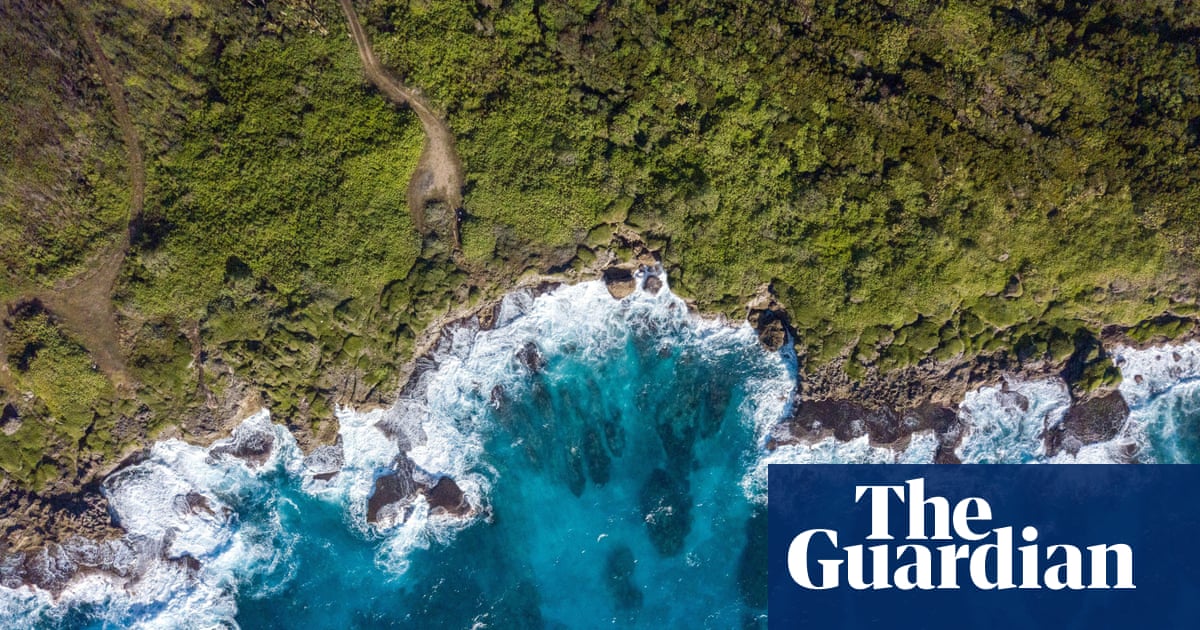
US territories in the Pacific have opposed US plans to auction deep sea mining leases, citing environmental concerns and the need for rigorous scientific studies.
Imagine the ocean floor as a big library with lots of books. Deep sea mining is like taking out a bunch of books without knowing what's inside them or how they might affect the library. The US government wants to let companies take out these books, but some people are worried that it might hurt the ocean and the creatures that live there.
Analysis
Environmental Concerns
The opposition to the US plan to auction deep sea mining leases in the Pacific is largely driven by environmental concerns. The proposed leases would allow companies to explore the seabed and potentially extract deposits of critical minerals, which could have devastating impacts on marine ecosystems. Many environmental groups have opposed deep sea mining, arguing that more research is needed on its effects on marine life. The Northern Mariana Islands and Guam have expressed their opposition to the plan, citing the need for rigorous scientific baseline studies and explicit protections for their marine resources.
National Security vs. Environmental Risks
The Trump administration's focus on national security and strategic needs has been cited as a reason for the proposed deep sea mining leases. However, the governor of Guam has argued that national security cannot mean asking the people of the Pacific to accept environmental risks before those risks are fully understood. The proposed lease notice for deep sea exploration in the Marianas region came just weeks after the initiation of a leasing process for 12.4m hectares of American Samoa's seafloor, with plans to award contracts in November.
Implications for the Pacific
The proposed deep sea mining leases in the Pacific have significant implications for the region. The extraction of critical minerals could have devastating impacts on marine ecosystems, and the lack of transparency and scientific understanding of the effects of deep sea mining has raised concerns among environmental groups. The opposition to the plan from US territories in the Pacific highlights the need for careful consideration of the environmental impacts of such activities.
Key points
- US territories in the Pacific have opposed US plans to auction deep sea mining leases.
- The proposed leases would allow companies to explore the seabed and potentially extract deposits of critical minerals.
- Environmental groups have raised concerns about the impacts of deep sea mining on marine ecosystems.
- The US government has cited national security and strategic needs as reasons for the proposed deep sea mining leases.
- The opposition to the plan highlights the need for careful consideration of the environmental impacts of such activities.
If the US government takes a cautious approach to deep sea mining, it could lead to the development of new technologies and industries that benefit the Pacific region. This could create new job opportunities and stimulate economic growth.
If the US government fails to properly regulate deep sea mining, it could lead to devastating impacts on marine ecosystems and the loss of biodiversity. This could have long-term consequences for the health of the ocean and the people who depend on it.