US to remove Syria from terror blacklist, in new boost to Sharaa
The United States said it will delist Syria as a state sponsor of terrorism, a decades-old designation that severely impeded investment, in a new vote of confidence in leader Ahmed al-Sharaa.
Intelligence analysis by Llama
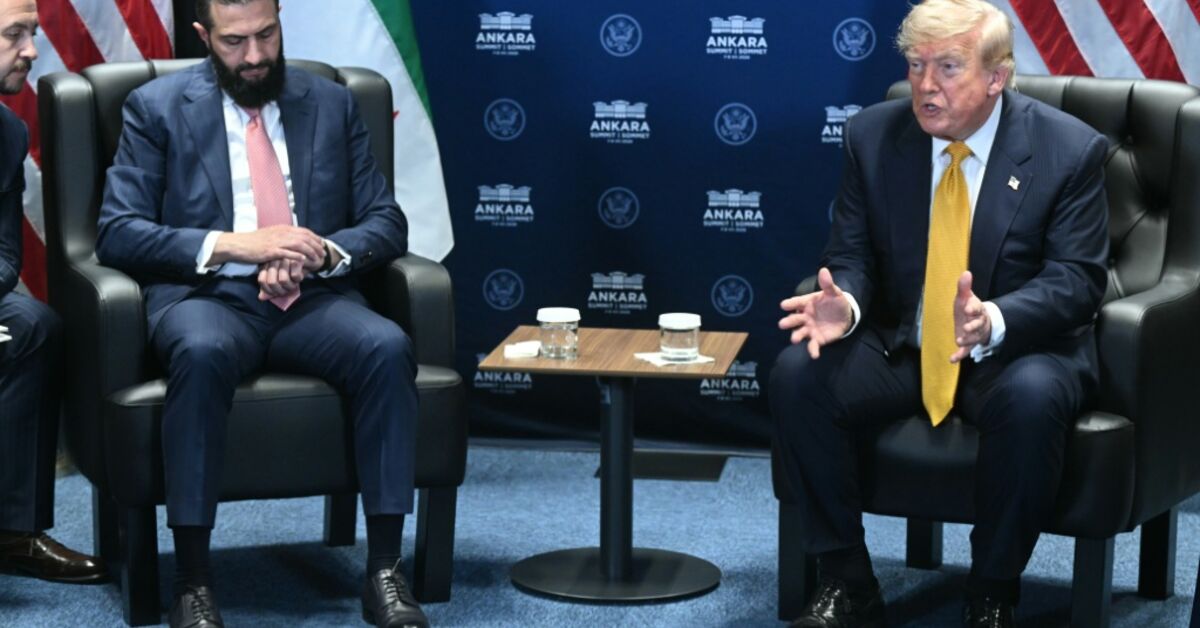
The US will remove Syria from its terror blacklist, a move that will unlock international trade and investment, and give Syria a chance to rebuild. This decision comes despite misgivings from Israel, which has repeatedly launched airstrikes in Syria.
Imagine Syria as a country that's been stuck in a traffic jam for a long time. The US has just removed a big sign that said 'Do not enter' from the road, which means that other countries can now start to invest and trade with Syria. This is a big deal because it will help Syria to rebuild and recover from years of conflict.
Analysis
A Decades-Old Designation Comes to an End
The United States listed Syria as a state sponsor of terrorism in 1979, a designation that severely impeded investment and created legal risks for businesses operating in Syria. The decision to delist Syria is a significant vote of confidence in leader Ahmed al-Sharaa, who has sought to recast himself as a unifying figure after the 2024 toppling of the Assad family.
The move is seen as a boost to Sharaa's efforts to rebuild Syria and unlock international trade and investment. It also reflects a shift in US policy towards Syria, which could have far-reaching consequences for the region.
A New Chapter for Syria
The delisting of Syria is a significant step towards normalizing relations between the US and Syria. It will allow for increased trade and investment, and give Syria a chance to rebuild and recover from years of conflict.
However, the decision has not been without controversy. Israel has repeatedly launched airstrikes in Syria, and has expressed misgivings about the delisting decision. Despite this, the US has pressed ahead with the move, citing the need to give Syria a chance at greatness.
Implications for the Region
The delisting of Syria has significant implications for the region. It will allow for increased trade and investment, and give Syria a chance to rebuild and recover from years of conflict. It also reflects a shift in US policy towards Syria, which could have far-reaching consequences for the region.
The decision is seen as a boost to Sharaa's efforts to rebuild Syria and unlock international trade and investment. It also reflects a shift in US policy towards Syria, which could have far-reaching consequences for the region.
Key points
- The US will delist Syria as a state sponsor of terrorism, a decades-old designation that severely impeded investment.
- The decision is seen as a boost to Sharaa's efforts to rebuild Syria and unlock international trade and investment.
- The delisting of Syria has significant implications for the region, including increased trade and investment, and a shift in US policy towards Syria.
The delisting of Syria could lead to increased trade and investment, which will help the country to rebuild and recover from years of conflict. It also reflects a shift in US policy towards Syria, which could have far-reaching consequences for the region.
The delisting of Syria could also lead to increased tensions with Israel, which has repeatedly launched airstrikes in Syria. Additionally, the decision may not address the underlying issues that led to the conflict in the first place, which could lead to further instability in the region.