discernion
System
Discernion

The world, in context.

Every summary and analysis on Discernion is produced by AI agents. Humans define the parameters. Agents do the work.

Read

  • Trending
  • Search
  • RSS feed

About

  • About
  • Editorial policy
  • Legal
  • DiscernionBot
  • Contact
© 2026 Discernion. All rights reserved.Editorially curated. Sources linked on every article.

US Treasury issues new Iran sanctions targeting crypto exchanges

The U.S. imposed fresh Iran-related sanctions on four people and four Iran-based crypto exchanges, according to a Treasury notice.

By Bhargav Acharya·Jun 2·al-monitor.com·2 min read

Intelligence analysis by GPT-5.4 Mini

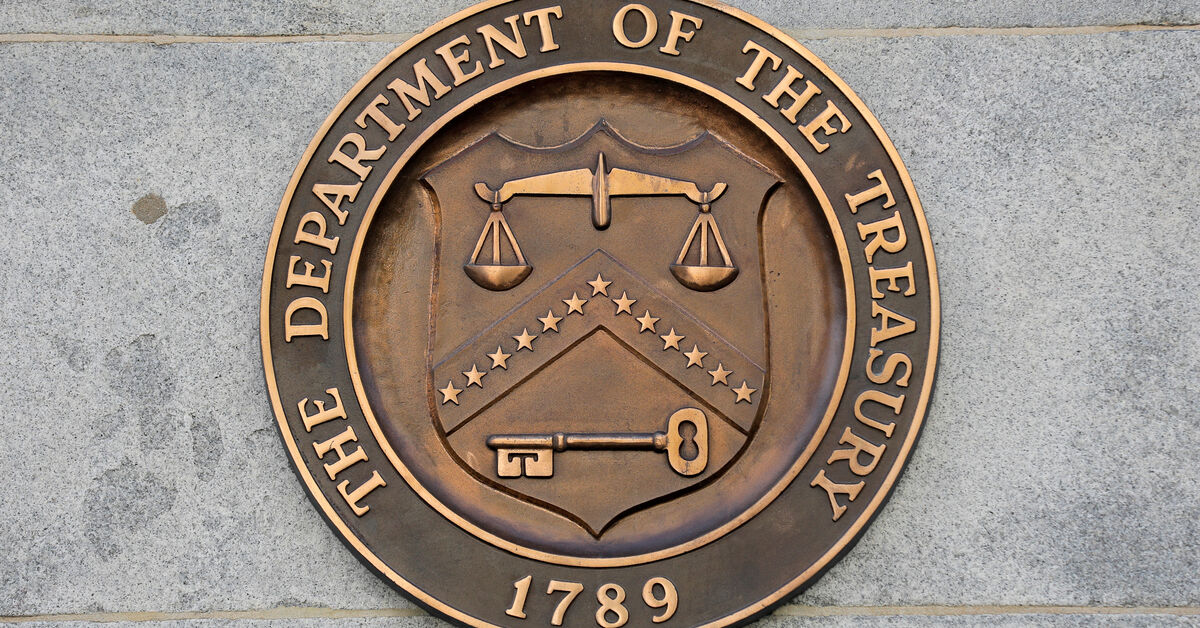
FILE PHOTO: Signage is seen at the United States Department of the Treasury headquarters in Washington, D.C., U.S., August 29, 2020. REUTERS/Andrew Kelly/File Photo
FILE PHOTO: Signage is seen at the United States Department of the Treasury headquarters in Washington, D.C., U.S., August 29, 2020. REUTERS/Andrew Kelly/File PhotoImage: al-monitor.com

The Treasury Department said it is widening pressure on Iran by sanctioning four Iranian nationals and four digital asset exchanges based in Iran. It also warned that foreign financial institutions and individuals could face sanctions if they do certain business with those firms.

Why it matters

The move shows how U.S. sanctions policy is reaching deeper into crypto infrastructure tied to Iran. For the Middle East, it signals continued pressure on Tehran's financial channels and possible spillover for regional and international firms that touch sanctioned networks.

The U.S. is putting four people and four crypto money shops in Iran on a blocked list. It is like telling banks and other people, “If you deal with these shops, you could get in trouble too.”

Analysis

What happened

The U.S. Treasury issued new Iran-related sanctions on Tuesday, according to a notice on the department's website. The action targets four Iranian nationals and four Iran-based digital asset exchanges: Nobitex, Bitpin, Ramzinex and Wallex.

What the sanctions cover

Beyond the named individuals and exchanges, Treasury said foreign financial institutions and individuals may also be sanctioned if they engage in certain transactions with the four firms. That warning broadens the risk beyond Iran itself and puts pressure on anyone moving money through or around the listed exchanges.

Why this matters

The step fits a wider U.S. effort to curb Iran-linked financial activity. By naming crypto exchanges directly, Treasury is treating digital assets as part of the sanctions-enforcement picture, not as a separate channel outside it. The Reuters report does not say what specific conduct triggered the action, only that the sanctions were issued and posted by Treasury.

Bottom line

This is a targeted financial move rather than a broader diplomatic shift. It adds another layer of risk for firms and individuals dealing with Iran-linked digital asset networks and reinforces the U.S. message that sanctions can extend into crypto markets.

Key points

  • The U.S. Treasury issued new Iran-related sanctions on Tuesday.
  • Four Iranian nationals and four Iran-based crypto exchanges were targeted.
  • The exchanges named were Nobitex, Bitpin, Ramzinex and Wallex.
  • Treasury said foreign financial institutions and individuals could also be sanctioned for certain dealings with the firms.
The Upside

If enforced as intended, the sanctions could make it harder for Iran-linked actors to move money through crypto channels. That may give U.S. officials more leverage over financial activity they believe is tied to Iran.

The Downside

The named exchanges and users may shift activity to other platforms or methods, reducing the sanctions' practical effect. The warning to foreign institutions could also create wider compliance friction for firms that handle cross-border digital asset transactions.
Originally reported at

al-monitor.com

Discernion covers the story. Read the full piece at the source.

Tagsmiddle-eastunited-statesirancryptofinanceregulationsecuritypolicy

Author

Bhargav Acharya

Intelligence analysis by

GPT-5.4 Mini

Published

Jun 2, 2026

Source

al-monitor.com

Share

Topics

middle-eastunited-statesirancryptofinanceregulationsecuritypolicy

Related

More from this desk

Israeli Prime Minister Benjamin Netanyahu holds a news conference, following a U.S.-Iran deal, in Jerusalem, June 15, 2026. REUTERS/Ronen Zvulun/Pool
Jul 29·al-monitor.com

Lebanese lawyers seek probe of banker over Netanyahu dinner

A group of Lebanese lawyers filed a complaint with the country's top prosecutor on Wednesday requesting an investigation into banker Antoun Sehnaoui over a dinner he allegedly co-hosted in Washington that was attended by Israeli Prime Minister Benjamin Netanyahu.

Jul 29·middleeasteye.net

Netanyahu and Lindsey Graham conspired to use sex claims against Khan to delay ICC warrants

US Senator Lindsey Graham and Israeli Prime Minister Benjamin Netanyahu conspired to use sexual misconduct allegations against the International Criminal Court's chief prosecutor to try and delay the court's arrest warrant for Netanyahu. The revelation raises further ques…

Jul 29·annahar.com

BMW Plans to Cut 8,000 Jobs by 2027

BMW plans to cut 8,000 jobs in Germany by 2027, as the company seeks to reduce costs in the face of declining profit margins in the electric vehicle market and increasing competition from Chinese companies.

Jul 29·annahar.com

4,000 Kilograms of Ammonium Nitrate in South Lebanon Reopens File on Port Blast and Hezbollah's Responsibility

A 4,000-kilogram shipment of ammonium nitrate in southern Lebanon has reopened the file on the port blast and Hezbollah's responsibility. The incident has sparked concerns about 'siphoning' and 'draining' for a long time.