US Treasury Secretary: Final phase of confrontation with Iran has arrived
US Treasury Secretary Scott Bessent says the US-Israel campaign against Iran has entered its 'final phase,' launching an 'economic D-Day' to cut all financial ties and isolate countries that help Tehran.
Intelligence analysis by Llama
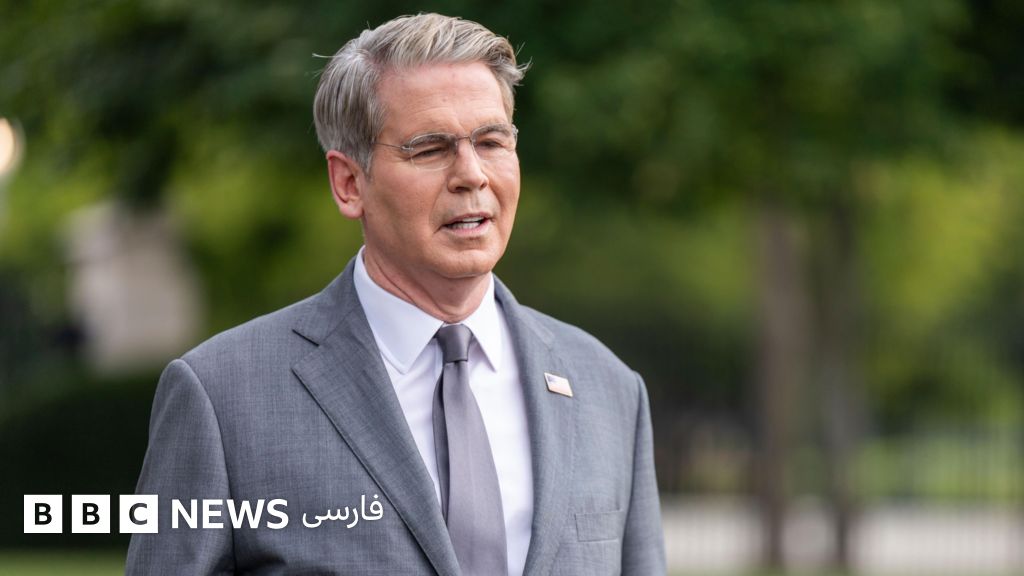
Treasury Secretary Scott Bessent declares the 'final phase' of the US-Israel campaign against Iran, threatening an 'economic D-Day' against any country that trades with Tehran. Iran has warned it will halt regional oil exports and block the Strait of Hormuz, while Pakistan's army chief is in Tehran seeking a peaceful off-ramp.
Imagine two kids fighting, and one tells the whole playground that anyone playing with his rival can't be his friend. That's like what's happening: the US is telling other countries that helping Iran in any way will get them in big trouble. Iran says if things get worse, it will block ships carrying oil through a narrow water passage.
Analysis
D-Day economic offensive
Bessent's invocation of "D-Day" is striking: the same operation that opened the liberation of northwest Europe from Nazi occupation in 1944. By borrowing the term, the Treasury Secretary is signalling that Washington now views the financial phase of the campaign as the decisive one rather than a complement to military action. His claim that Iran's military capabilities have been "significantly destroyed" and its nuclear program "weakened" is the predicate for this escalation. If accurate, it suggests Washington believes the military degradation is sufficient and the remaining fight is over Iran's external economic lifelines, chiefly oil sales routed through the shadow fleet to Chinese refiners. The promise of "complete financial isolation" that would "eliminate the need for the use of American military force" is, in effect, a victory declaration contingent on third countries complying.
Strait of Hormuz blockade
The most consequential detail in the article is Iran's renewed threat, reported by Reuters, that it would halt "all oil exports from the region" if the war continues. The Strait of Hormuz, the narrow waterway off Iran's southern coast, typically carries about one-fifth of the world's oil and gas. Since fighting began in late February, shipping through the strait has already been effectively choked off by Iranian action. A formal declaration of closure, layered on top of the existing disruption, would convert a regional shipping problem into a global supply shock. Iranian officials have separately warned vessels not to transit without Tehran's permission. The combination of an "economic D-Day" from Washington and a Hormuz closure from Tehran sets up a tit-for-tat escalation with very few off-ramps visible.
Field Marshal Munir's Tehran mission
The presence of Pakistan's army chief, Field Marshal Asim Munir, and Interior Minister Mohsin Naqvi in Tehran for meetings with senior Iranian officials is a notable diplomatic signal. The Pakistan Army's statement that the visit aims to reach a "peaceful solution" suggests Islamabad is positioning itself as a mediator, perhaps fearing spillover into a neighbour that shares a long, porous border with Iran and a volatile western province. China, by contrast, is resisting US entreaties to join the pressure campaign. Foreign Ministry spokesman Lin Jian said Beijing opposes "unilateral illegal sanctions" lacking a basis in international law and Security Council resolutions. With China unlikely to enforce secondary sanctions on Iranian oil purchases, and Pakistan quietly engaging Tehran, the "complete financial isolation" Bessent promises looks harder to deliver than the Treasury Secretary's rhetoric implies. The US dollar crossing 2 million rials in Iran's unofficial market on the same day suggests domestic Iranian confidence in the rial is collapsing faster than the sanctions themselves.
Key points
- US Treasury Secretary Scott Bessent says the US-Israel campaign against Iran has entered its 'final phase'
- Bessent vows an 'economic D-Day,' the largest financial offensive ever organised against an enemy, to sever all US economic ties with Iran
- Any country that continues to help Iran financially will be 'ostracized' and face economic isolation, per Bessent's Financial Times op-ed
- Iran has warned it will halt all oil exports from the region and block the Strait of Hormuz if the war continues
- The US dollar crossed 2 million rials in Iran's unofficial market as exchange rates and gold hit fresh records
If Washington's 'complete financial isolation' strategy succeeds in choking off Iran's remaining oil revenues, it could force Tehran back to the negotiating table without further military escalation, as Bessent himself argues. Pakistan's mediation effort, combined with the implied warning that full economic isolation could remove the need for US military force, leaves diplomatic space for a face-saving compromise on the nuclear file.
Iran's threat to halt all regional oil exports and effectively close the Strait of Hormuz, through which roughly one-fifth of global oil and gas passes, could trigger an immediate and severe energy price shock. With China unlikely to enforce secondary sanctions and Iranian domestic indicators already flashing red, the pressure campaign may harden Tehran's resolve rather than break it, raising the risk of a direct military exchange in the Gulf.
Market signals
- OIL Iran's renewed threat to halt all regional oil exports and effectively block the Strait of Hormuz, through which roughly one-fifth of global oil and gas passes, would create a major supply disruption.
- XAU Escalation toward a full economic and possibly military confrontation between the US and Iran drives safe-haven demand, with gold already hitting record prices in Iran's domestic market.
AI-generated analysis of potential market relevance. Not financial advice.