US Unveils 'Unprecedented' Economic Sanctions Against Iran
The US has announced a new wave of economic sanctions against Iran, targeting its digital assets, technology, gold, aviation, and shipping sectors. The sanctions aim to cut off Iran's 'lifeline' to the global economy, according to US Treasury Secretary Scott Weiss.
Intelligence analysis by Llama
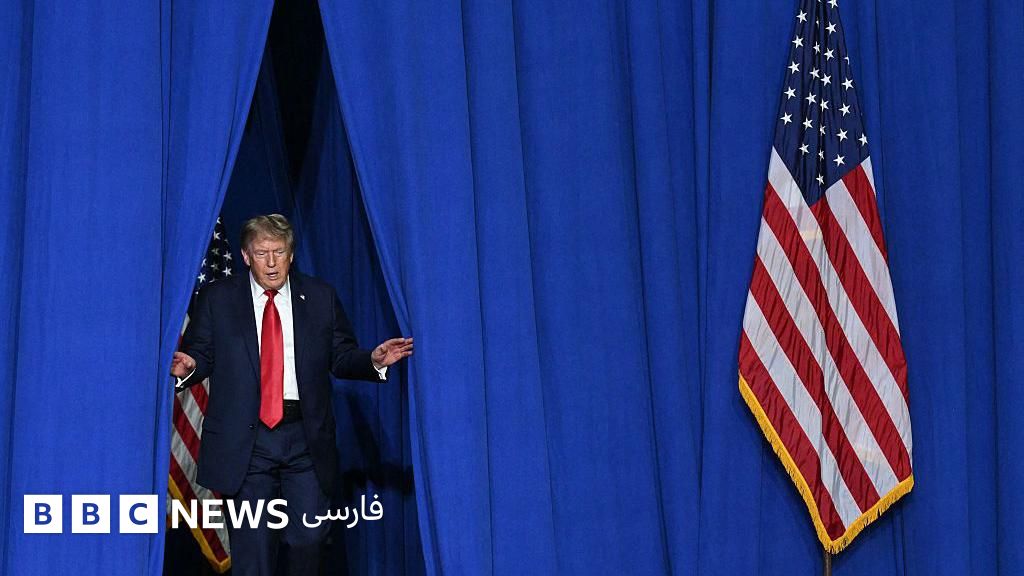
The US has imposed new sanctions on Iran, targeting its digital assets, technology, gold, aviation, and shipping sectors. The sanctions aim to cut off Iran's access to the global economy, according to US Treasury Secretary Scott Weiss.
Imagine Iran's economy is like a big tree. The new sanctions are like a strong wind that is cutting off the tree's roots, making it harder for the tree to grow and access water and nutrients. This will have a negative impact on the tree's health and make it harder for it to survive.
Analysis
What are the new sanctions and how do they affect Iran's economy?
The US has announced a new wave of economic sanctions against Iran, targeting its digital assets, technology, gold, aviation, and shipping sectors. The sanctions aim to cut off Iran's 'lifeline' to the global economy, according to US Treasury Secretary Scott Weiss. The sanctions will affect Iran's ability to access the global economy, making it harder for the country to import goods and services. This will have a significant impact on Iran's economy, particularly in the areas of technology, gold, and shipping.
What are the implications of the new sanctions for ordinary Iranians?
The new sanctions will have a significant impact on ordinary Iranians, who will face increased difficulties in accessing goods and services. The sanctions will also make it harder for Iranians to access the global economy, which will have a negative impact on their standard of living. The sanctions will also raise concerns about the impact on Iran's economy and the potential for further escalation.
What is the US strategy behind the new sanctions?
The US strategy behind the new sanctions is to cut off Iran's access to the global economy, making it harder for the country to access goods and services. The US aims to increase pressure on Iran to comply with its nuclear deal and to reduce its military activities in the region. The new sanctions are part of a broader US strategy to isolate Iran economically and diplomatically.
What are the potential consequences of the new sanctions?
The potential consequences of the new sanctions are significant. The sanctions will have a negative impact on Iran's economy, particularly in the areas of technology, gold, and shipping. The sanctions will also raise concerns about the impact on ordinary Iranians and the potential for further escalation. The sanctions will also have a negative impact on the global economy, particularly in the areas of trade and commerce.
Key points
- The US has announced a new wave of economic sanctions against Iran, targeting its digital assets, technology, gold, aviation, and shipping sectors.
- The sanctions aim to cut off Iran's 'lifeline' to the global economy, according to US Treasury Secretary Scott Weiss.
- The sanctions will have a significant impact on Iran's economy, particularly in the areas of technology, gold, and shipping.
- The sanctions will also raise concerns about the impact on ordinary Iranians and the potential for further escalation.
- The US strategy behind the new sanctions is to cut off Iran's access to the global economy, making it harder for the country to access goods and services.
If the new sanctions are successful in cutting off Iran's access to the global economy, it could lead to a reduction in Iran's military activities and a more peaceful resolution to the conflict in the region. This could also lead to an increase in diplomatic efforts between the US and Iran, potentially leading to a more stable and secure region.
The new sanctions could lead to a further escalation of the conflict in the region, with Iran becoming increasingly isolated and desperate. This could lead to a more aggressive and unpredictable Iran, which could have negative consequences for the global economy and regional security.