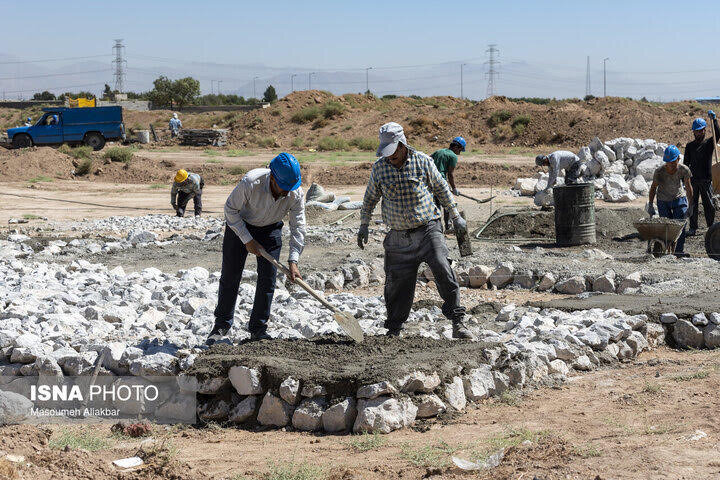
Using petrochemical capacities to strengthen national economy required
Iran's acting oil minister, Hamid Bovard, stressed the need to leverage petrochemical capacities for economic growth, job creation, and increased production.
Intelligence analysis by Gemini 2.5 Flash Lite
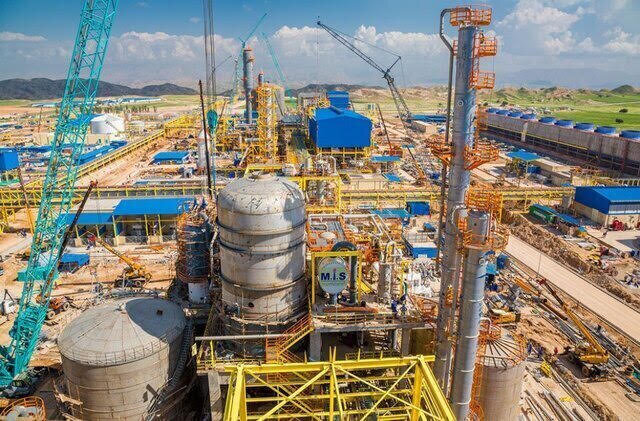
Hamid Bovard, Iran's acting oil minister, highlighted the critical role of the petrochemical industry in bolstering the national economy. He emphasized utilizing its capacities for job creation, production enhancement, and income generation, while also supporting the National Petrochemical Company's governance role and ensuring sustainable feedstock through field development.
Imagine Iran has a big factory that makes special chemicals from oil and gas. The boss said this factory is super important for making jobs, making more stuff, and earning money for the country. He wants to make sure the factory is run well and its products are sold to other countries to bring money back home.
Analysis
National Petrochemical Company
The acting minister of oil, Hamid Bovard, has placed significant emphasis on reinforcing the governance and regulatory functions of Iran's National Petrochemical Company (NPC). This strategic directive aims to ensure that the NPC effectively oversees and directs the nation's petrochemical sector, aligning its operations with broader economic objectives. Bovard's support for the NPC in this endeavor suggests a move towards more centralized control and strategic planning within the industry. The goal is to harness the full potential of the petrochemical sector, not just for raw material production but also for value-added manufacturing and export.
Economic Strengthening
Bovard articulated a clear vision for how the petrochemical industry can serve as a cornerstone of Iran's national economy. He stressed that the industry's capacities must be actively employed to generate employment opportunities, boost overall production levels, and increase national income. This perspective frames the petrochemical sector as a vital engine for economic development, capable of creating significant economic and social benefits. The minister also pointed to the industry's role in supplying essential materials to downstream sectors, highlighting its interconnectedness with other parts of the Iranian economy.
Foreign Currency Generation
A critical aspect of Bovard's address was the imperative to enhance foreign currency generation through petrochemical exports. He called for fundamental measures to ensure the continuity of these exports and to facilitate the repatriation of earned foreign currency back into the country's economic cycle. Furthermore, the minister highlighted the importance of reconstructing petrochemical units damaged during the Iran-Iraq War, indicating a commitment to restoring and expanding existing infrastructure to meet export targets and contribute to national revenue streams.
Key points
- Iran's acting oil minister emphasized using petrochemical capacities to boost the economy.
- The goal is to create jobs, increase production, and generate income.
- Strengthening the National Petrochemical Company's governance role is a priority.
- Ensuring sustainable feedstock and increasing foreign currency earnings from exports are crucial.
- Reconstruction of damaged petrochemical units is also highlighted.
If Iran successfully leverages its petrochemical capacities, it could lead to significant job creation, increased domestic production of essential goods, and a substantial boost in foreign currency reserves. This would strengthen the national economy and potentially improve living standards.
Challenges such as international sanctions, volatile global market prices, and the need for extensive reconstruction of damaged units could hinder the full utilization of petrochemical capacities. Failure to secure sustainable feedstock or effectively repatriate export earnings could limit economic benefits.