USOPC CEO: Dispersed Games to Become Increasingly Common
USOPC CEO on dispersed Games, LA28, and infrastructure challenges
Intelligence analysis by Qwen 2.5 (3B)
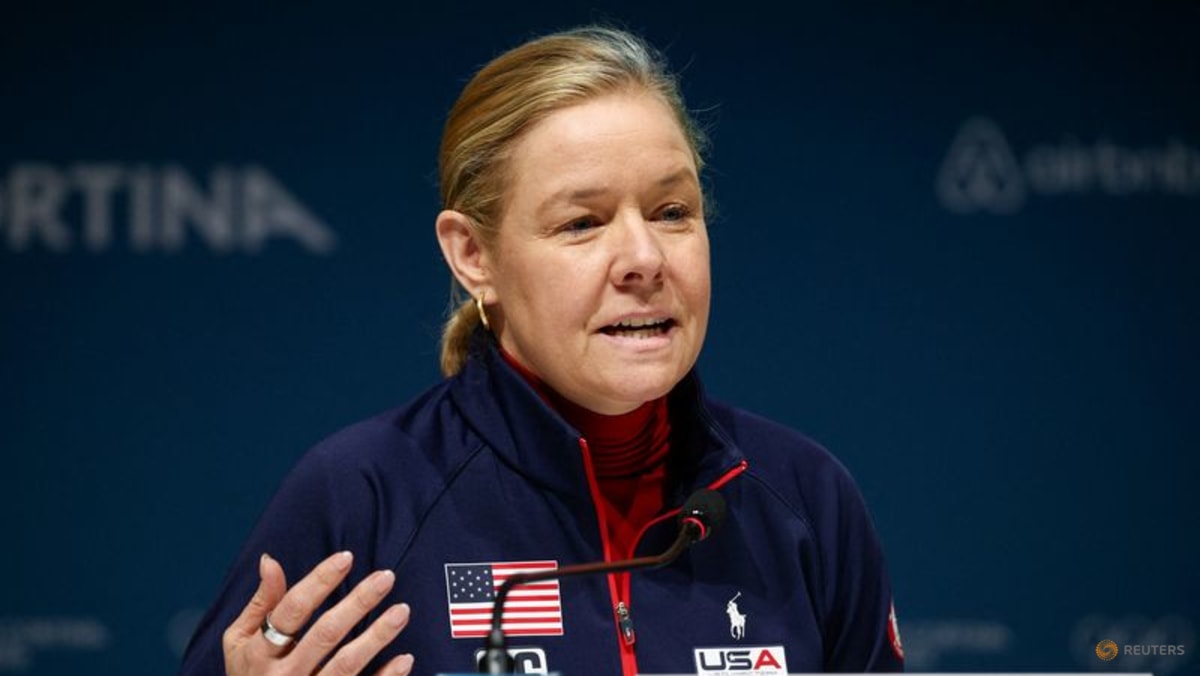
USOPC CEO Sarah Hirshland discusses the trend of dispersed Games and the upcoming LA28 Games, highlighting infrastructure challenges.
The Olympics are moving away from having all the games in one place. Instead, they are spreading out to different areas. This is because the Olympics are getting bigger and need more space to be held.
Analysis
Infrastructure Challenges in LA28 and Beyond
The upcoming LA28 Games are expected to be spread out, with multiple venues across different metropolitan areas. This model is seen as a rare exception to the centralised plan for Utah 2034.
The Dispersed Games Trend
The trend of dispersed Games is well on its way to becoming the norm, according to USOPC CEO Sarah Hirshland. The Milano Cortina Games in 2026 and the LA28 Games are examples of this trend.
The 2030 Games in the French Alps
The 2030 Games in the French Alps are expected to follow the Milano Cortina model, with venues in Nice and the Alpine regions.
New York's Exploration of Hosting
New York state has formed an exploratory committee to host the 2042 Winter Games, with the possibility of hosting in the five boroughs and Lake Placid. This is seen as a rare exception to the centralised plan.
Key points
- USOPC CEO Sarah Hirshland discusses the trend of dispersed Games
- LA28 Games are expected to be spread out across multiple metropolitan areas
- The 2030 Games in the French Alps are expected to follow the Milano Cortina model
- New York state is exploring hosting the 2042 Winter Games in different areas
The dispersed model of the Olympics can lead to more participation and accessibility for athletes and spectators.
The dispersed model can also lead to logistical challenges and increased costs for organizing the Games.