‘Utter disaster’: Alan Bates attacks schemes compensating post office operators
Alan Bates says the Post Office compensation schemes have been badly designed and too legalistic, leaving many victims struggling to get fair redress.
Intelligence analysis by GPT-5.4 Mini
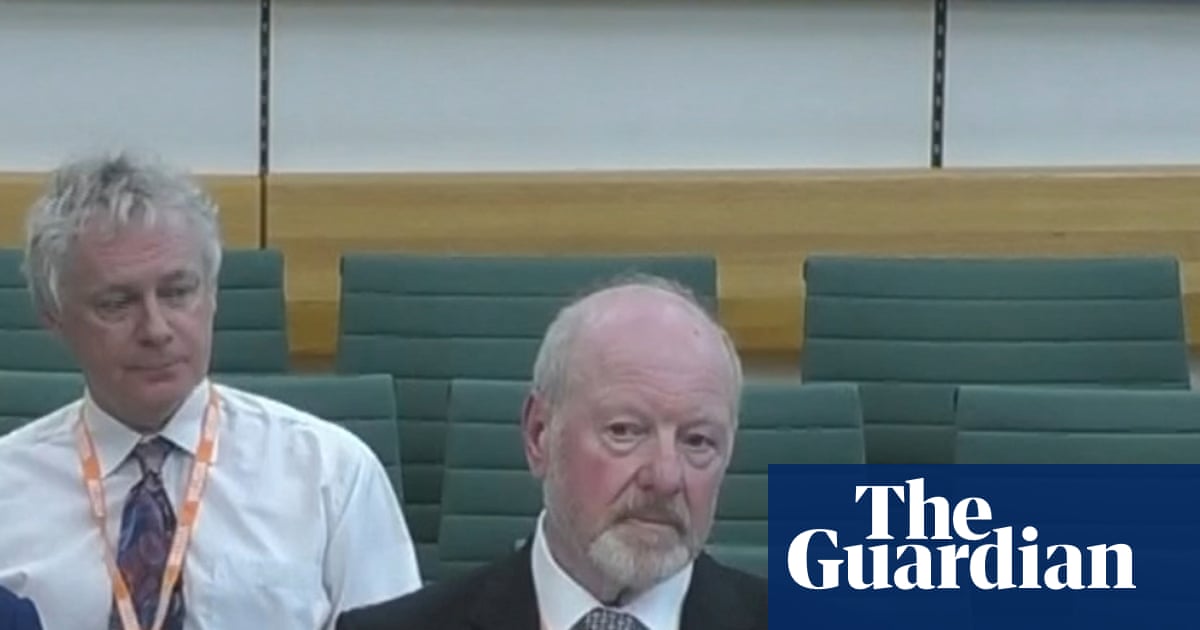
Sir Alan Bates told MPs that government-run compensation for Horizon victims has been a mess, arguing the schemes became too complex, intimidating, and slow. He said redress should be handled by an independent body, not by government departments.
A lot of post office workers were blamed for money missing when the computer system was actually broken. Alan Bates says the money paid to fix this has been handled badly.
He thinks the process became too full of rules and lawyers, like trying to cross a simple bridge but finding a maze instead. Many people wanted a fair fix, not a complicated fight.
Some money has already been paid, but many claims are still waiting. Bates wants an independent group to handle the rest so people can trust it more.
Analysis
What Bates told MPs
Sir Alan Bates, who led the long campaign for justice for post office operators affected by the Horizon IT scandal, told the public accounts committee that the compensation schemes were an “utter disaster.” His central argument was that the state should not have been running the process in the first place.
Why he says the schemes failed
Bates said the redress plans started with some useful consultation but became much more complicated when they were implemented. He said the process was taken over by lawyers, became highly legalistic, and ended up feeling threatening to claimants who mainly wanted a fair settlement and a chance to move on. In his view, that complexity discouraged victims from coming forward, even when the government tried to contact them, because trust in the system had already been damaged.
The wider compensation picture
The article says the latest government figures show £1.48bn has been paid to at least 11,500 claimants as of 27 February, but thousands of claims are still unresolved while the schemes are wound down. Bates argued that future redress should be run by a body that is genuinely independent and seen to act independently, with government involvement only at the highest level and, where necessary, funding support. The backdrop is the Horizon scandal itself: more than 900 operators were convicted between 1999 and 2015, and those convictions were overturned in 2024 by an unusual act of parliament.
Key points
- Sir Alan Bates told MPs the compensation schemes for Horizon victims were an “utter disaster.”
- He argued the government should not be running the redress process and that it needs genuine independence.
- Bates said the schemes became too legalistic and intimidating for many claimants.
- Government figures cited in the article say £1.48bn has been paid to at least 11,500 claimants, but thousands of claims remain unresolved.
- The article is set against the wider Horizon scandal, in which more than 900 post office operators were convicted and later had those convictions overturned.
If the government accepts Bates’s criticism, it could simplify the remaining claims and make it easier for victims to receive fair payments. A more independent process could also rebuild trust among people who have been reluctant to come forward.
If the schemes stay legalistic and slow, more victims may never claim what they are owed. Continued mistrust could also leave thousands of remaining cases unresolved as the government winds the schemes down.