Venomous snakes escape breeding farms in southern China during flooding
Hundreds of venomous snakes, including cobras, escaped from flooded breeding farms in Hengzhou, southern China, following severe storms and typhoon Maysak, leading to snakebite incidents and public safety warnings.
Intelligence analysis by Gemini 2.5 Flash
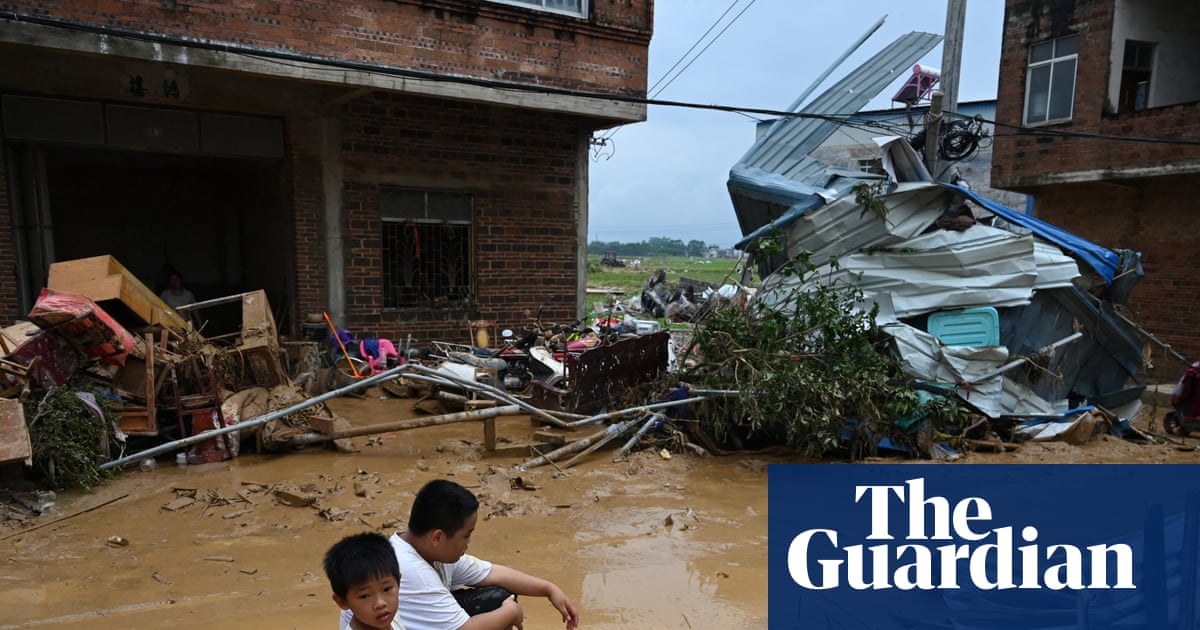
Heavy rainfall and flooding caused by Typhoon Maysak in China's Guangxi region led to the breach of snake breeding farms, releasing hundreds of venomous snakes into residential areas. This unusual incident has prompted emergency responses, increased anti-venom supplies, and warnings for residents to exercise extreme caution as the region grapples with widespread natural disasters.
Imagine a huge rainstorm makes a river overflow, and the water rushes into a special farm where people raise snakes. Suddenly, hundreds of these snakes, some of them super slithery and venomous like cobras, swim out into the flooded towns! Now, people have to be extra careful because a snake might pop up anywhere, and getting bitten is very dangerous. Doctors are ready with special medicine, and everyone is trying to stay safe while the floodwaters are high.
Analysis
A Flood of Venom and Fear
The escape of hundreds of venomous snakes, including cobras, king ratsnakes, and kraits, from breeding farms in Hengzhou, Guangxi, represents a critical public safety crisis. The immediate aftermath saw villagers bitten, with at least one reported death, as floodwaters forced these dangerous reptiles into homes and public spaces. The dramatic footage of cobras surfacing in muddy torrents underscores the sudden and terrifying nature of the threat, forcing residents to contend with both the devastation of flooding and the unseen danger lurking in the water and debris.
Local authorities swiftly issued emergency guidance, detailing prevention and treatment for snakebites, and designating Hengzhou People’s Hospital as a specialized treatment center. The deployment of rescue personnel and medical specialists, alongside increased anti-venom supplies, indicates the severity of the situation and the urgent need to mitigate further harm. This incident adds a layer of biological hazard to the already dire humanitarian crisis caused by the widespread flooding.
China's Recurring Battle with Extreme Weather
This snake escape is set against a backdrop of severe natural disasters plaguing China during its summer months. Typhoon Maysak triggered the heavy rainfall that led to the flooding in Guangxi, where two reservoirs overtopped and breached, displacing tens of thousands and claiming at least six lives in the region. Nationally, the death toll from storms has climbed to 38, with landslides in Gansu and tornadoes in Hubei contributing to the widespread devastation.
While China frequently experiences torrential rains and flooding, reports of hundreds of venomous snakes escaping from commercial breeding farms are rare and unprecedented in their scale. This unusual confluence of extreme weather and commercial animal husbandry practices has created a novel challenge for disaster management, highlighting vulnerabilities in infrastructure and regulatory oversight for such facilities located in flood-prone areas.
Emergency Response and Future Challenges
The response from Chinese authorities, including President Xi Jinping's call for "all-out" rescue efforts, demonstrates the high-level attention given to the ongoing natural disasters. In Hengzhou, the emergency management bureau and local media have been proactive in disseminating information and establishing rapid treatment channels for snakebite victims. This coordinated effort is crucial for minimizing casualties and managing public panic in a situation where fear of unseen dangers can be as debilitating as the physical threat itself.
Looking ahead, this incident raises important questions about the future of snake breeding farms, particularly those housing venomous species, in regions susceptible to extreme weather. There may be a need for stricter regulations regarding farm location, construction, and emergency protocols to prevent similar occurrences. The long-term challenge will involve not only capturing the remaining escaped snakes but also implementing measures to ensure that commercial activities do not inadvertently exacerbate the risks posed by natural calamities.
Key points
- Hundreds of venomous snakes, including cobras, escaped from breeding farms in Hengzhou, southern China, due to severe flooding.
- The escape was caused by heavy rainfall from Typhoon Maysak, which also led to reservoir breaches and widespread flooding in Guangxi.
- At least one snakebite victim has died, and several others have been treated, prompting emergency warnings and increased anti-venom supplies.
- The incident occurred amidst broader natural disasters in China, with a national death toll of 38 from storms and landslides.
- Local authorities have issued guidance on snakebite prevention and treatment, deploying rescue personnel and medical specialists.
The swift emergency response, including increased anti-venom supplies and dedicated treatment centers, suggests that authorities are effectively managing the immediate public health crisis. Public awareness campaigns and rescue efforts could help mitigate further snakebite incidents and ensure the safety of residents.
The uncaptured snakes pose a continued threat to residents, potentially leading to more bites and fatalities, especially as floodwaters recede and snakes seek new shelters. The incident also highlights a vulnerability in commercial animal breeding regulations, suggesting similar escapes could occur in future extreme weather events.

